Owner’s manual
 Error Codes


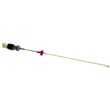

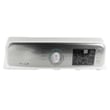

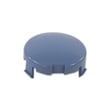
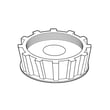
What part number is the Samsung WA45M7050AW A4 suspension rod?
For the Samsung WA45M7050AW, the suspension rod part number shown for this model is DC97-05280W. This suspension rod helps support the tub and control vibration during spin, so using the correct rod for your exact model is important for smooth, stable operation.
Where to confirm the correct suspension rod
We recommend matching by model and diagram callout to avoid ordering the wrong version.
- Check the exploded-view diagrams and part list in the WA45M7050AW owner's manual
- Match the suspension rod location (typically one at each corner of the tub)
- Replace rods as a set if the washer is bouncing or going out of balance often
- Inspect the rod bushings and mounting points for wear or cracking
Common symptoms of worn suspension rods
If your WA45M7050AW suspension is weak, you will usually notice one or more of these issues:
- Excessive shaking or walking during spin
- Loud banging as the tub hits the cabinet
- Frequent out-of-balance stops
- Uneven tub height when the washer is empty
Quick part identification
| Part type | What it does | Part number for this model |
|---|---|---|
| Suspension rod | Supports tub and dampens vibration | DC97-05280W |
Why it matters
Suspension rods are a primary vibration-control component on Samsung top-load washers. When they weaken, the tub can swing too far, which increases noise, stresses the cabinet, and makes out-of-balance errors more likely.
You can order the correct replacement from the parts list for this model page, or search by model on Sears PartsDirect.
Last updated: February 2026
What is the most common problem with Samsung washing machines?
The most common Samsung washer complaint is a poor or failed spin, which leaves clothes wet at the end of the cycle. On the Samsung WA45M7050AW, this is usually caused by an out-of-balance load, a draining restriction, or worn suspension components.
What we see most often (and what to check first)
- Unbalanced load: One heavy item (blanket, jeans) can stop or limit spin.
- Drainage problem: Slow or no drain prevents high-speed spin.
- Excessive vibration: A washer that is not level can trigger balance protection.
- Worn suspension: Weak rods let the tub swing too much during spin.
- Control or sensing issues: Less common, but possible if symptoms are inconsistent.
Quick triage: symptoms and likely causes
| Symptom | Most likely cause | What to do next |
|---|---|---|
| Clothes still dripping wet | Drain not clearing fast enough | Check drain hose routing and look for clogs; inspect the pump area |
| Loud banging during spin | Load imbalance or weak suspension | Redistribute load; inspect suspension |
| Stops mid-spin and rebalances repeatedly | Too much tub movement | Level the washer; check suspension rods |
| Hums but won’t drain | Pump jam or failing pump | Check for debris; test/replace pump if needed |
Parts that commonly solve spin and drain complaints
If basic checks point to a mechanical issue, these are common fixes for this model:
- Washer drain pump assembly dc97-19289f (no-drain, slow drain, humming)
- Samsung washer suspension rod DC97-05280W (banging, walking, repeated rebalancing)
- Samsung washer drain hose dc97-18682d (kinks, internal blockage, leaks)
Why it matters
Samsung top-load washers like the WA45M7050AW protect the drive system by reducing or stopping spin when the tub is unstable or the water cannot drain quickly. Fixing balance and drain issues first prevents repeat shutdowns and reduces wear on the drive and control components.
For model-specific operating tips, load size guidance, and cycle behavior, follow the WA45M7050AW owner's manual. You can also look up common fault patterns in our Samsung top load washer error codes guide, then match the symptom to the right repair.
Last updated: February 2026
Is the Samsung 4.5 front load washer any good?
The Samsung WA45M7050AW is a 4.5 cu. ft. top load washer (not a front load). For most households, washers in this size class are a strong choice because they handle bulky loads, clean well when properly leveled, and stay reliable with routine care; see the WA45M7050AW owner's manual for cycle and care details.
What “good” means for this model
A washer is “good” when it matches your laundry habits and your installation is solid.
- Capacity: 4.5 cu. ft. is well-suited for families and larger loads.
- Performance: Best results come from correct cycle selection and proper detergent dosing.
- Noise and vibration: Most issues come from leveling, load balance, or worn suspension.
- Maintenance: Regular cleaning helps prevent odor and residue.
- Repairability: Common wear items (drain, fill, suspension) are replaceable.
Quick checks that make a big difference
If you are judging performance (cleaning, shaking, draining), these steps usually improve results immediately:
- Level the cabinet and lock the feet; replace a damaged foot with a washer leveling leg DC61-01722B.
- Avoid overloading; mix large and small items to reduce out-of-balance spins.
- Use HE detergent and measure carefully to prevent oversudsing and residue.
- Run periodic tub-clean cycles and wipe moisture-prone areas after use.
- If draining is slow, check for kinks and routing issues; a damaged line may need a Samsung washer drain hose DC97-18682C.
Common “good vs. not good” symptoms and likely causes
| What you notice | Most common cause | What we typically do |
|---|---|---|
| Excessive shaking or banging | Unlevel washer, uneven load, weak suspension | Re-level; consider Samsung washer suspension rod DC97-05280W replacement |
| Won’t drain or drains slowly | Clog, failing pump, restricted hose | Inspect hose; replace washer drain pump assembly DC97-19289B if pump is weak |
| Won’t fill or fills slowly | Water supply issue, inlet valve problem | Check screens/hoses; replace Samsung washer water inlet valve DC97-15459H if needed |
| Dead display or erratic controls | User interface or control board issue | Diagnose wiring; replace control components as needed |
Why it matters
Most “bad washer” complaints are really installation (leveling), load balance, or maintenance problems. Fixing those first protects the tub, suspension, and drain system, and it helps the washer clean better and last longer.
You can order replacement parts for your Samsung WA45M7050AW from the parts list for this model, or search by model number on Sears PartsDirect.
Last updated: February 2026
What is the lifespan of a Samsung front load washer?
A Samsung front-load washer lasts 10 to 15 years. Your Samsung WA45M7050AW is a top-load washer, and the typical lifespan is also 10 to 15 years with normal household use and routine care; follow the maintenance steps in the WA45M7050AW owner's manual.
Typical lifespan at a glance
| Washer type | Typical lifespan | Common wear areas |
|---|---|---|
| Front-load washer | 10 to 15 years | Bearings, door boot leaks, drain issues |
| Top-load washer (WA45M7050AW) | 10 to 15 years | Suspension, drain pump, controls |
What affects washer life most
- Avoid overloading; heavy loads stress the tub, motor, and suspension.
- Use the right amount of HE detergent to prevent oversudsing and residue.
- Keep the washer level to reduce vibration and cabinet wear.
- Run periodic cleaning cycles and wipe moisture to reduce odor and corrosion.
- Address slow draining early; repeated drain strain shortens pump life.
Signs it is nearing end of life
- Frequent out-of-balance banging during spin
- Slow drain, standing water, or recurring drain errors
- Leaks that return after hose and clamp checks
- Intermittent power, dead display, or cycles stopping mid-wash
Repair vs. replace: quick guide
| Situation | Usually makes sense |
|---|---|
| One common wear part failing, tub and cabinet solid | Repair |
| Multiple major failures or loud bearing/outer-tub noise | Replace |
If WA45M7050AW is not draining, a common repair is replacing the washer drain pump assembly dc97-19289f.
Why it matters
Knowing the 10 to 15 year lifespan helps us plan maintenance and make cost-effective repair decisions before vibration, draining, or electrical issues cause secondary damage.
Last updated: February 2026