Owner’s manual
 Error Codes


What is the common problem with Samsung fridge ice maker?
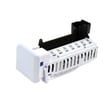
On the Samsung RH25H5611SR side-by-side refrigerator, the most common ice maker problems are no ice, slow ice production, small or hollow cubes, and dispenser issues. These usually trace back to low water pressure (the ice maker needs 20 to 125 psi), a restricted water filter, or airflow and temperature conditions that cause freezing or frost buildup.
Most common symptoms and what they point to
- No ice at all: water supply valve closed, low water pressure, or a clogged filter
- Small or hollow cubes: restricted water flow (often filter-related) or low pressure
- Ice clumping or frost buildup: warm air leaks at the door seal, frequent door opening, or airflow blocked by packages
- Ice won’t dispense: ice bucket jam, chute obstruction, or residual crushed ice after switching modes
- Water leaks near the unit: filter or water line issues; shut off the water valve if you will be away
Quick checks we recommend first
- Confirm the refrigerator is connected to a potable water supply and the shutoff valve is fully open.
- Verify home water pressure is in range.
- Replace the filter if it is overdue; use the correct refrigerator water filter DA29-00020B.
- Make sure food packages are not blocking interior air vents (blocked vents can overcool sections and contribute to icing).
- If power was recently interrupted, wait at least 5 minutes before plugging back in.
Water pressure and flow: what “normal” looks like
| Check | Normal target | If it’s not normal | Likely fix |
|---|---|---|---|
| Water pressure to fridge | 20 to 125 psi | Below 20 psi | Correct supply issue or add a booster pump |
| Dispenser water flow | Steady stream | Weak or pulsing | Replace filter, check valve/line |
| Ice cube quality | Full, solid cubes | Hollow or tiny | Improve water flow/pressure |
Why it matters
Ice makers are simple systems: if water flow is restricted or temperatures and airflow are off, you get freezing, poor cube quality, or no ice. Fixing the root cause prevents repeat clogs, jams, and frost buildup.
For model-specific operating details and dispenser use tips, follow the RH25H5611SR owner's manual.
Last updated: February 2026
What is the most common problem with Samsung refrigerators?
The most common issue we see with Samsung refrigerators, including the Samsung RH25H5611SR, is a cooling problem caused by restricted airflow or frost buildup around the evaporator area; this can leave the fresh food section warm even when the freezer still seems cold. Use the RH25H5611SR user manual for model-specific operating and care guidance.
Most common symptoms customers notice
- Fresh food section warms up while the freezer stays near normal
- Temperature swings or food freezing in the refrigerator section
- Fan noise, rattling, or a “whooshing” sound from the back wall
- Frost or ice buildup on the rear interior panel
- Water leaking or puddles (often after heavy frost or a defrost issue)
- Ice maker or dispenser performance drops when airflow is restricted
Quick checks we recommend first (no tools)
- Confirm vents are not blocked by bags, boxes, or tightly packed items (blocked vents can cause overcooling and other issues).
- Set temperatures back to normal targets: about 37°F for the refrigerator and 0°F for the freezer.
- Give it time after changes: allow 24 hours for temperatures to stabilize.
- If you unplugged it, wait at least 5 minutes before plugging it back in.
- If you will be away, close the water valve to reduce leak risk.
Common causes and what they point to
| What you observe | Most likely area | Typical next step |
|---|---|---|
| Frost on back wall, weak airflow | Defrost system or evaporator airflow | Check for vent blockage; inspect for heavy frost; service if recurring |
| Warm fridge, freezer OK | Fresh food evaporator area | Look for fan noise changes; check for frost buildup |
| Water leaks near dispenser or after icing | Water system or filter housing stress | Replace filter on schedule; verify water pressure |
| Ice maker slow or stopped | Water supply, pressure, or ice maker | Verify water pressure and valve is open |
Parts that are often involved (when symptoms match)
We only recommend replacing parts after confirming the failure, but these are common suspects on this model family:
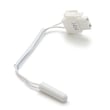
- Refrigerator defrost heater DA47-00322J (frost buildup, defrost not clearing)
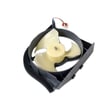
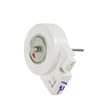
- Samsung refrigerator evaporator fan motor DA96-00880D (weak/no airflow, unusual fan noise)
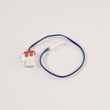
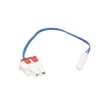
- Refrigerator temperature sensor DA32-10109W (temperature swings, inconsistent cooling)
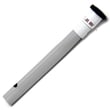
- Refrigerator water filter DA29-00020B (low flow, taste/odor issues, filter-related leaks)
Why it matters
Cooling and airflow problems can quickly lead to spoiled food, ice buildup that worsens over time, and extra strain on the compressor. Keeping vents clear and addressing frost or fan symptoms early helps prevent repeat failures.
Last updated: February 2026
What is the average lifespan of a Samsung refrigerator?
Samsung refrigerators typically last 10 to 15 years. For your Samsung RH25H5611SR, consistent care (good airflow, correct temperatures, routine cleaning, and on-time filter changes) helps you reach the upper end of that range; see the maintenance guidance in the RH25H5611SR owner's manual.
Typical lifespan and what affects it
Most full-size refrigerators fall into a similar life range, but real-world lifespan depends on usage and maintenance.
- Heavy door opening, warm kitchens, and overpacking shorten life
- Dirty condenser area and restricted airflow increase run time and wear
- Skipped cleaning can lead to odors, moisture issues, and component strain
- Water system neglect (filter, valve, pressure) can cause leaks and dispenser problems
- Prompt repairs (fans, sensors, defrost) prevent bigger failures
Maintenance that extends life (high impact)
We recommend these habits for RH25H5611SR owners:
- Keep air vents clear inside the cabinet; don’t block vents with bags or tightly packed food
- Clean interior and exterior with mild detergent and dry thoroughly
- Replace the water filter on schedule and install it fully seated to avoid dispenser issues
- Use correct water pressure for the ice maker and dispenser (the manual lists 20 to 125 psi)
- If unplugged, wait 5 minutes before plugging back in to protect electronics
Quick reference: what to do and how often
| Task | Typical frequency | Why it matters |
|---|---|---|
| Wipe spills, clean shelves/drawers | Monthly | Reduces odors and moisture problems |
| Replace water filter | About every 6 months | Protects water flow, taste, and valve health |
| Check door closing and vent blockage | Monthly | Prevents overcooling and long run times |
| Deep clean and inspect for leaks | 2 times per year | Catches small issues early |
Parts that commonly influence longevity
If performance drops, these parts are often involved:
- Refrigerator water filter DA29-00020B (clogging reduces flow and stresses the water system)
- Evaporator fan motor, freezer fan motor, and temperature sensor (cooling consistency)
- Defrost heater (prevents frost buildup that blocks airflow)
- Compressor and control boards (cooling system operation)
Why it matters
A refrigerator that runs longer to maintain temperature uses more energy and puts extra wear on the compressor, fans, and defrost system. Simple airflow and cleaning habits are the easiest way to protect the sealed system and keep food temperatures stable.
Last updated: February 2026