
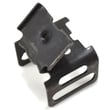
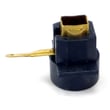
What does the shoe do on a reciprocating saw?
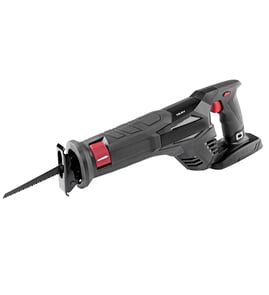
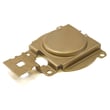
On the Craftsman 900271260 reciprocating saw, the shoe (also called the pivoting shoe) is the front support that rests against the workpiece. It stabilizes the saw, helps you control cut depth, and reduces blade chatter so cuts are straighter and safer.
- Stabilize the tool by giving the saw a firm contact point on the material
- Control cut depth by changing how far the blade extends past the shoe
- Reduce vibration and blade chatter for smoother cutting
- Improve accuracy by keeping the blade aligned as you start the cut
- Protect the blade by letting you use more of the blade length over time
- Press the shoe firmly against the workpiece before pulling the trigger.
- Start slow to establish the kerf (the initial cut path), then increase speed.
- Reposition the shoe as the blade teeth wear so you cut with a fresher section of blade.
- Keep steady forward pressure; let the blade do the work.
| Shoe setup | Best for | Why it matters |
|---|---|---|
| Shoe tight to the work | Most straight cuts | Maximizes stability and control |
| Shoe adjusted outward | Thick material or reaching deeper | Increases usable blade reach |
| Shoe repositioned to use a new blade section | Worn blade teeth near the tip | Extends blade service life |
Using the shoe correctly is one of the biggest factors in reciprocating saw performance. With the shoe planted, your Craftsman saw tracks better, the blade lasts longer, and you’re less likely to bend a blade or lose control during demolition cuts.
For general DIY safety practices when working on tools and electrical components, follow the guidance in are diy appliance repairs safe.
Last updated: February 2026
How to put a blade on a Craftsman reciprocating saw?
On the Craftsman 900271260 reciprocating saw, you install a blade by disconnecting power, opening the blade clamp (usually by twisting or pulling the clamp collar/lever), inserting the blade shank fully, then releasing the clamp and tug-testing the blade to confirm it locked.
- Unplug the saw (corded) or remove the battery pack (cordless).
- Put on gloves and eye protection; reciprocating saw blades are sharp.
- Rotate or pull the blade clamp mechanism to the open position.
- Insert the blade shank all the way into the clamp (teeth facing the direction you need).
- Release the clamp so it springs back and locks.
- Pull firmly on the blade to confirm it is seated and locked.
Most reciprocating saws cut on the push stroke, so teeth typically face away from the tool. Some blades can be installed in multiple orientations for flush cuts.
| Cut you want | Typical blade orientation | Why it helps |
|---|---|---|
| Fast general cutting | Teeth facing forward | Efficient cutting on the push stroke |
| Flush cut near a wall | Blade flipped or rotated | Keeps the body of the saw out of the way |
| Tight spot | Blade rotated 90 degrees (if clamp allows) | Improves access and control |
- Clean debris from the clamp area; packed sawdust can prevent full engagement.
- Try a different blade; bent shanks and worn notches slip.
- Check for clamp wear; a weak spring or damaged collar causes blade ejection.
- Confirm you inserted the shank fully before releasing the clamp.
A properly locked blade reduces vibration, improves cut accuracy, and prevents the blade from popping out during a stroke, which can damage the shoe, clamp, and workpiece.
For more DIY safety guidance before working on power tools, use our are diy appliance repairs safe tips.
Last updated: February 2026
What should you not do with a reciprocating saw?
You should not force a reciprocating saw through the cut, use the wrong blade, or cut without securing the workpiece. With the Craftsman 900271260 reciprocating saw, these mistakes commonly cause blade binding, loss of control, and damage to the shoe, blade clamp, or internal wiring.
- Don’t push hard; keep steady pressure and let the blade teeth do the work.
- Don’t cut with one hand; keep a firm two-hand grip for control.
- Don’t cut above shoulder height or from an unstable ladder position.
- Don’t reach under the workpiece while the blade is moving.
- Don’t start the cut with the blade already jammed against the material.
- Don’t use a wood blade on metal, or a fine-tooth metal blade on thick wood demolition.
- Don’t run a dull, bent, or missing-tooth blade.
- Don’t twist the saw in the kerf (cut) to “steer” it; reposition instead.
- Don’t keep cutting if the blade stalls; stop, back out, and reset the angle.
- Don’t cut where hidden wiring, nails, screws, or pipes are likely; inspect first.
- Don’t cut flammable materials or near fumes, solvents, or sawdust piles that can ignite.
- Don’t carry the tool with your finger on the trigger.
- Don’t set the saw down until the motor stops and the blade is fully still.
- Clamp the workpiece; never “hold and cut” freehand
- Match blade type and tooth count to the material
- Set the shoe firmly against the work to reduce vibration
- Wear eye protection and hearing protection; gloves help with vibration control
- Plan the cut path so the blade cannot strike cords, fasteners, or framing
| Material | Typical blade type | What to avoid |
|---|---|---|
| Wood (clean cuts) | Wood cutting, medium tooth | Forcing the cut with a dull blade |
| Wood with nails (demo) | Demolition blade | Fine-tooth blades that overheat |
| Metal | Bi-metal metal-cutting | Wood blades that snag and chatter |
| PVC/plastic | Fine-tooth or multi-material | High speed that melts plastic |
Most reciprocating saw injuries and tool damage happen when the blade binds or the work shifts. Avoiding the “don’ts” above keeps the saw stable, reduces vibration, and protects common wear areas like the blade clamp, shoe, and power cord.
For general DIY safety guidance before repairs or electrical checks, use our article are diy appliance repairs safe.
Last updated: February 2026