 Installation guide
 Owner’s manual
 Error Codes
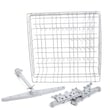


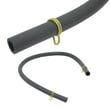

Can I replace dishwasher parts myself?
Yes, for a Frigidaire PLD2850RDC0 dishwasher, we see many DIYers successfully replace common wear parts (like seals, filters, and spray arms) by shutting off power and water, then following the step-by-step procedures in the PLD2850RDC0 owner’s manual and PLD2850RDC0 installation guide.
Parts that are usually DIY-friendly
These repairs are typically straightforward with basic hand tools and careful reassembly:
- Cleaning or replacing the filter (helps with poor cleaning and debris)
- Replacing a leaking door seal such as the gasket 809006501
- Replacing a clogged or damaged drain hose
- Replacing an upper spray arm if it is cracked or not spinning freely
- Cleaning the overfill protector (float) so it moves up and down freely
Repairs that often take more skill
These can still be DIY, but they involve wiring, water connections, or more disassembly:
- Water inlet valve replacement (requires leak-free plumbing connections)
- Heating element replacement (burn risk; confirm power is off and element is cool)
- Drain pump or pump motor replacement (more tear-down, more leak points)
- Control board or harness work (requires correct wire routing and secure connections)
Quick safety and prep checklist
Before you start, we recommend:
- Turn off the dishwasher circuit breaker and verify the unit is dead
- Shut off the hot water supply valve
- Protect the floor; keep towels ready for residual water
- Avoid routing the electrical cable behind the motor area
- Check hoses for kinks after reassembly and confirm joints are leak-free
DIY decision guide
| Repair type | Typical tools | Best for |
|---|---|---|
| Seal, filter, spray arm | Screwdriver, pliers | Most DIYers |
| Hose, inlet valve | Pliers, adjustable wrench | Confident DIYers |
| Heater, pump, wiring | Multimeter, nut driver | Advanced DIYers |
Why it matters
A correct DIY repair saves time and prevents repeat problems. For example, the installation instructions emphasize proper leveling, kink-free hoses, and secure anchoring so the dishwasher does not tilt when the door opens.
Last updated: February 2026
What is the average lifespan of a Frigidaire dishwasher?
A Frigidaire dishwasher typically lasts 10 years. With consistent care (cleaning the filter, using proper detergent, and maintaining hot water supply), many units run 10 to 13 years before major repairs like a pump, heater, or control issue become more likely. For model PLD2850RDC0, follow the maintenance guidance in the PLD2850RDC0 owner's manual.
What affects dishwasher lifespan most
These factors have the biggest impact on how long a Frigidaire dishwasher lasts:
- Water temperature: best results start with incoming water around 120°F (49°C).
- Water pressure: normal fill performance needs roughly 20 to 120 psi.
- Filter and soil management: keeping the filter area clear reduces strain on the wash and drain system.
- Detergent and rinse aid use: correct dosing helps prevent buildup and improves drying.
- Loading habits: blocked spray arms and overcrowding reduce cleaning and can increase wear.
Maintenance that extends life (simple routine)
We recommend this basic routine for PLD2850RDC0:
- Check and clean the filter area regularly (especially after heavy soil loads).
- Run hot water at the sink before starting a cycle so the dishwasher fills with hot water.
- Use rinse aid if drying is weak or spotting is common.
- Inspect the door sealing surfaces and wipe them clean.
- If you see standing water or slow draining, address it early to protect the pump.
| Maintenance item | Good interval | Why it helps |
|---|---|---|
| Filter area check/clean | Weekly to monthly | Prevents clogs and improves wash performance |
| Rinse aid refill | As needed | Improves drying and reduces spotting |
| Door seal wipe-down | Monthly | Helps prevent leaks and odor |
| Spray arm hole check | Monthly | Keeps water flow strong |
Why it matters
Most “end of life” dishwasher failures are really wear and strain problems: restricted water flow, poor draining, or heating issues. Keeping water flow and temperature in spec helps the wash system run efficiently and reduces stress on key components like the heater and pump.
Last updated: February 2026
What is the most common problem with a Frigidaire dishwasher?
The most common Frigidaire dishwasher problems (including model PLD2850RDC0) are poor cleaning and drainage caused by restricted water flow: a dirty filter, blocked spray arms, or a kinked drain hose. “Won’t run” issues are also common when the door is not fully latched or Delay Start is selected (see the PLD2850RDC0 owner’s manual).
Most common symptoms and what usually causes them
- Food soils left on dishes: filter/spray arm blockage, low water temperature, or loading that blocks spray
- Not draining: kinked drain hose, disposer knockout plug still in place, disposer not emptied
- Won’t run: breaker tripped, water supply off, cycle not set, Delay Start on, door not latched
- Not filling well: water supply issue or overfill protector (float) not moving freely
- Leaks: door seal wear, tub-to-sump sealing issues, loose hose connections
Quick checks we recommend first (fast, no parts)
- Confirm the door closes firmly and latches; reselect the cycle if needed.
- Verify the water supply valve is fully open.
- Check the drain hose routing for kinks and a proper high loop.
- Clean the filter area and make sure spray arms can rotate freely.
- If connected to a disposer, make sure it is empty and the knockout plug was removed.
Parts that commonly fix the “most common” problems
| Symptom | Most likely area | Model-matched part to consider |
|---|---|---|
| Poor cleaning, debris recirculating | Filtration | Dishwasher filter 5304532206 |
| Not draining or slow drain | Drain path | Hose 807117001 or pump 154580301 |
| Leaking at the door | Door sealing | Gasket 809006501 |
Why it matters
Restricted flow (dirty filter, blocked spray arms, kinked hose) reduces wash pressure and can also prevent proper draining. That leads to leftover food soils, odors, and longer cycles due to water-heating delays and re-wash behavior.
Helpful DIY guidance
If your main symptom is “won’t start,” follow the same checklist used by technicians in our dishwasher wont start video.
Last updated: February 2026





