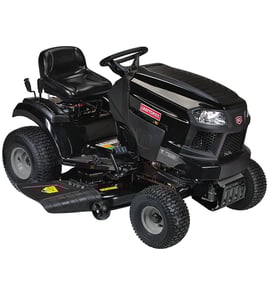


What model number is the Craftsman 917254272 riding mower?
The model number for this Craftsman riding mower is 917254272. That number identifies the exact Craftsman 36-inch 4-speed front-engine lawn tractor so you can match the correct diagrams and replacement parts.
Where to find the model number on the mower
We use the model number on the product ID label, not the engine label.
- Look under the seat on the fender pan or seat deck area
- Check the frame near the rear wheels
- Look under the hood near the dash tower
- Wipe dirt and grass off the label so all digits are readable
Why the model number matters for parts
Many Craftsman tractors look similar, but parts can vary by steering, deck, and drive system. Using 917254272 helps ensure the right fit for common repairs like:
- Ground drive belt replacement
- Starter and no-crank electrical fixes
- Front wheel and axle wear items
- Deck idler and pulley issues
Examples of model-matched parts on this page
| Repair area | Example part on this model page | What it affects |
|---|---|---|
| Drive system | V-belt dr 532125907 | Tractor movement (forward/reverse drive) |
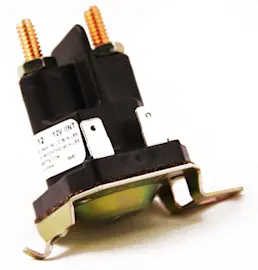
| Starting system | Solenoid 532146154 | Cranking the engine |
| Steering/front axle | Wizard lawn tractor axle flange bearing 532009040 | Front wheel support and smooth steering |
Quick tip to avoid ordering the wrong part
Match all digits exactly (including any leading zeros). If your label is damaged, compare your tractor’s assemblies (deck, steering, drive) to the diagrams for model 917254272 before ordering.
Last updated: February 2026
What year is my Craftsman mower serial number lookup?
For a Craftsman riding mower like model 917254272, the serial number format depends on where the number came from (tractor ID tag vs. engine tag). Many Craftsman-built tractors use a 6-digit date code where the last two digits indicate the year, but you should confirm the exact serial tag style before decoding.
How to decode the most common 6-digit date code
If your serial number is six digits and looks like a date, it is commonly read as:
- First 2 digits = month (01 to 12)
- Next 2 digits = day (01 to 31)
- Last 2 digits = year (00 to 99)
Example: 072811 typically reads as July 28, 2011.
Where to find the right number to decode
On a front-engine Craftsman lawn tractor, you may see more than one identification label. Check these common locations:
- Under the seat pan or on the seat support
- On the frame rail near the rear wheels
- Near the clutch or brake pedal area on the frame
- Under the hood on the chassis (less common)
- On the engine shroud (engine model and engine serial, which decode differently)
Quick comparison: tractor tag vs. engine tag
Use this to avoid decoding the wrong number.
| Tag you’re reading | What it identifies | What the “year” means |
|---|---|---|
| Tractor model/serial tag | The mower/tractor (Craftsman 917254272) | Tractor build date or production run info |
| Engine label | The engine (often a different brand) | Engine build date, not always the tractor year |
Why it matters
The correct year helps us match the right parts and diagrams for your 917254272 (especially belts, steering parts, and electrical items). If you are troubleshooting a no-start or intermittent crank issue, the correct ID also helps confirm the right ignition and starting components such as the starter solenoid 532146154 or lawn tractor ignition switch 532365402.
Last updated: February 2026
What are the common problems with Craftsman lawn mowers?
Common problems on a Craftsman riding mower like model 917254272 usually come down to starting issues, poor cutting, or drive/steering problems. We recommend checking fuel, battery and safety interlocks first, then inspecting wear items like belts, pulleys, and ignition components.
Most common symptoms and likely causes
- Won’t crank or click only: weak battery, corroded terminals, bad starter solenoid, faulty ignition switch, or a safety switch not made (brake/clutch, PTO, seat).
- Cranks but won’t start: stale fuel, clogged fuel cap vent, dirty carburetor, fouled spark plug, restricted air filter.
- Cuts uneven or leaves strips: dull blades, deck out of level, worn idler/pulley, slipping deck belt.
- Won’t move or slips in gear: worn or stretched ground drive belt, idler issues, linkage out of adjustment.
- Vibration or squeal: damaged pulley, loose hardware, belt misrouting, worn bearings.
Quick checks we use first (fast, high value)
- Verify fresh fuel and correct oil level (overfilled oil can cause hard starting and smoke).
- Confirm the PTO is off and the brake/clutch is fully engaged (interlock conditions).
- Inspect battery cables for tight, clean connections.
- Look for belt glazing, cracking, or slack; on this model, the ground drive belt is a common wear item.
- Spin idler pulleys by hand (engine off); they should turn smoothly without wobble.
Parts that commonly solve these problems
| Problem area | What it affects | Example part for 917254272 |
|---|---|---|
| Starting circuit | No-crank, intermittent crank | Solenoid 532146154 |
| Key switch | No power to start/run circuits | Lawn tractor ignition switch 532365402 |
| Ground drive | Slipping, no movement | V-belt dr 532125907 |
| Deck drive/idler | Squeal, poor cut, belt throw | Pulley 532139245 |
Why it matters
Catching a weak solenoid, worn belt, or failing pulley early prevents no-start surprises and reduces secondary damage (like shredded belts, overheated pulleys, or thrown deck belts).
Last updated: February 2026
What are the parts of a lawn mower engine?
A lawn mower engine (including the engine used on many Craftsman riding tractors like model 917254272) is built from fuel, air, ignition, and rotating internal components that work together to create power. The exact layout varies by engine family, but the core parts and their jobs are consistent.
Main engine systems and common parts
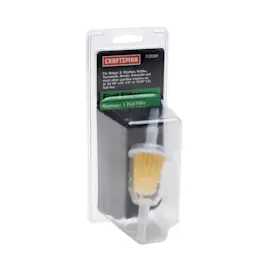
- Fuel system: fuel tank, fuel cap, fuel line, fuel filter, carburetor
- Air intake: air filter, intake tube, choke plate
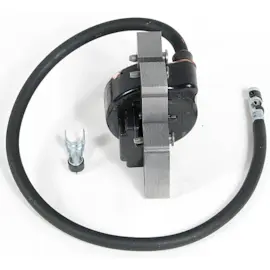
- Ignition: flywheel magnets, ignition coil, spark plug, kill wire
- Starting: recoil starter (pull start) or electric starter, starter solenoid
- Internal rotating parts: crankshaft, connecting rod, piston, piston rings
- Lubrication and sealing: crankcase, oil fill/dipstick, gaskets, seals
- Exhaust: muffler
Parts you might replace during a no-start or intermittent-start issue
If your tractor cranks slowly, clicks, or will not crank, these are common checks and replacements:
- Battery connections and ground cable condition
- Safety switches (seat, brake, PTO) and wiring condition
- Starter solenoid operation
- Ignition switch output
- Spark plug condition and spark test
Helpful model-related parts to consider:
Quick reference: what each part does
| Part | What it does | Common symptom when faulty |
|---|---|---|
| Carburetor | Mixes fuel and air | Hard starting, surging, stalls |
| Air filter | Keeps dirt out of engine | Runs rich, loses power |
| Ignition coil + spark plug | Creates spark | No start, misfire |
| Solenoid | Sends battery power to starter | Clicks, no crank |
| Flywheel | Provides ignition timing and inertia | No spark (if key/shear issue), vibration |
Why it matters
Knowing the engine parts helps you troubleshoot faster and order the right replacement the first time, especially on a riding mower where starting, charging, and safety interlocks all affect whether the engine will run.
Last updated: February 2026