


Do I need a technician for a 4E error?
You usually do not need a technician for a 4E error on a Samsung WF501ANW washer. 4E points to a water-supply problem (not enough water getting into the washer), and most fixes are simple checks like fully opening the faucets, straightening hoses, and cleaning inlet screens.
Quick checks we recommend first
- Make sure both hot and cold wall faucets are fully open.
- Confirm the fill hoses are not kinked, crushed, or frozen.
- Verify the home has water pressure at nearby faucets.
- Remove and rinse the small inlet screen filters inside the hose connections at the washer.
- Try a reset: unplug the washer for 2 minutes, then restart a cycle.
When a part is likely the cause
If the washer still shows 4E after the checks above, the most common repair is replacing the inlet valve that controls water flow into the dispenser.
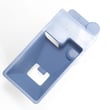
- If the washer fills very slowly or not at all, suspect the washer water inlet valve DC62-30314K.
- If the washer fills but then stops and errors, also check for intermittent water supply or clogged screens.
Symptoms and what they usually mean
| What you notice | Most common cause | What to do next |
|---|---|---|
| No water enters at all | Closed faucet, kinked hose, clogged inlet screens | Correct supply, clean screens |
| Slow fill, then 4E | Restricted screens or failing inlet valve | Clean screens; replace valve if needed |
| Fills sometimes, errors other times | Intermittent supply, debris in valve | Check supply consistency; inspect valve |
Why it matters
A 4E error is the washer protecting itself from running a cycle without proper water flow. Fixing the supply issue prevents poor cleaning, long cycle times, and repeat error codes.
Helpful troubleshooting reference
For Samsung washer water and fill related errors, we use the same step-by-step approach found in Samsung front load washer nf error code (NF is also a fill problem and the checks overlap with 4E).
Last updated: February 2026
Is the Samsung Model WF501ANW stackable?
Yes. The Samsung WF501ANW is designed as a front-load washer that can be installed in a stacked laundry setup when you use the correct Samsung stacking kit for your washer and the matching dryer.
What “stackable” means for WF501ANW
A stackable setup uses a manufacturer-approved stacking kit to secure the dryer on top of the washer. This matters because the kit provides the brackets and hardware that keep the appliances stable during high-speed spin.
Quick checklist before you stack
- Confirm you have a compatible Samsung dryer model for stacking.
- Use a Samsung stacking kit made for your washer and dryer pairing.
- Install on a solid, level floor; re-level after moving the washer.
- Verify door swing and venting clearance (dryer) before final placement.
- Run a test cycle and listen for excessive vibration or cabinet contact.
Common issues after stacking (and what to check)
If the stacked pair shakes, bangs, or walks, the cause is usually leveling, load balance, or worn suspension.
- Re-level the washer and tighten the leveling lock nuts.
- Reduce oversized loads; mix items to balance the drum.
- Check for worn suspension; a failed Samsung washer shock absorber DC66-00470A can increase vibration.
- If you see a “dc” type unbalanced condition, follow Samsung front load washer dc error code guidance.
When stacking is not recommended
| Situation | Better option |
|---|---|
| Weak or bouncy floor | Side-by-side install |
| Frequent heavy, bulky loads | Side-by-side install |
| Persistent vibration even when leveled | Service suspension before stacking |
Why it matters
Stacking saves floor space, but it also increases the need for correct hardware and stable installation. Using the right kit and keeping the washer suspension in good shape helps prevent noise, vibration, and premature wear.
Last updated: February 2026
What is the capacity of Samsung WF501ANW?
The Samsung WF501ANW front-load washer has a 4.0 cu. ft. capacity. That rating tells you the usable drum volume for everyday loads; it also helps you choose the right cycle, load size, and HE detergent amount.
What “4.0 cu. ft.” means in real use
- Wash full, mixed loads without packing items tightly
- Leave space at the top of the drum so clothes can tumble freely
- Use HE detergent; overdosing causes oversudsing and poor rinsing
- For bulky items (comforters, pillows), avoid overfilling to prevent imbalance
Quick comparison: capacity and load behavior
| Capacity class | Typical use | Common symptom when overloaded |
|---|---|---|
| 3.0 to 3.9 cu. ft. | Smaller households, lighter loads | Longer cycle times, poor tumbling |
| 4.0 cu. ft. (WF501ANW) | Medium to large everyday loads | Vibration, out-of-balance spins |
| 4.5+ cu. ft. | Extra-large loads, bulky items | Less frequent loads, larger footprint |
Why it matters
Capacity directly affects cleaning performance and spin stability. When a 4.0 cu. ft. front-load washer is overloaded, it is more likely to shake, walk, or stop mid-cycle to rebalance. If vibration persists even with proper loading, worn suspension components can contribute.
If you are chasing excessive shaking during spin, inspect the Samsung washer shock absorber DC66-00470A for wear or leaking.
Last updated: February 2026
What is the lifespan of a Samsung front load washer?
A Samsung front load washer like model WF501ANW typically lasts 10 to 15 years with normal household use and basic maintenance. Heavy daily use, chronic overloading, and poor drainage can shorten life; routine cleaning and prompt repairs help it reach the upper end of that range.
Typical lifespan and what changes it
Most washer longevity comes down to vibration control, water quality, and how well the unit drains.
- Light to average use (3 to 5 loads/week): often 12 to 15 years
- Heavy use (daily loads, large families): often 8 to 12 years
- Best-case with consistent care: 15 years
- Worst-case with repeated overloads/leaks: under 10 years
What usually fails first on front-load washers
These are common wear items that can affect lifespan and performance:
- Drain pump and pump filter clogging (slow drain, standing water)
- Door boot wear or mold (leaks, odors)
- Door lock issues (won’t start, won’t unlock)
- Suspension wear (banging, walking)
- Water inlet valve problems (no fill, slow fill)
| Symptom | Most likely area | What to do first |
|---|---|---|
| Won’t drain or shows drain-related errors | Drain pump, hoses, filter | Clean filter, check for sock/coins, then test pump |
| Leaks at the door | Door boot, clamps | Inspect boot for tears, check clamp tension |
| Loud banging or excessive vibration | Shock absorbers, leveling | Re-level washer, reduce load size, inspect suspension |
| Won’t lock or start | Door lock | Check latch alignment, then test lock switch |
Maintenance that adds years (and why it matters)
Keeping the tub, pump path, and door area clean prevents odors, reduces strain on the drain system, and helps protect bearings and seals from contamination.
- Run a monthly tub-clean cycle (or hot cycle with washer cleaner)
- Leave the door ajar after loads to dry the boot
- Use HE detergent and avoid overdosing
- Don’t overload; mix large and small items to balance the spin
- Check pockets to prevent coins and screws from damaging the pump
Helpful DIY resources
Parts that commonly extend service life
If symptoms match, these model-compatible parts are often involved:
- Washer drain pump DC31-00054D (drain failures, grinding noise)
- Washer door boot DC64-02174B (door leaks, persistent odor from trapped moisture)
- Samsung washer shock absorber DC66-00470A (excessive vibration, banging)
Last updated: February 2026