Owner’s manual
 View engine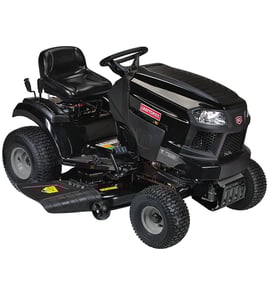


How much does it cost to replace a riding lawn mower engine?
For a Craftsman riding lawn tractor like model 917288516, a full engine replacement typically runs about $800 to $2,500 total (engine plus labor). Labor is commonly 4 to 8 hours, and the final price depends on engine type, shop rates, and whether related wear items are replaced at the same time.
What drives the total cost
- Engine price: New replacement engines for riding tractors commonly cost $500 to $1,800+.
- Labor time: Most shops charge for 4 to 8 hours for removal, swap, and setup.
- Extra parts and supplies: Oil, filter, fuel line, clamps, spark plug, and shop supplies.
- Deck and drive condition: If belts, pulleys, or wiring are worn, the shop may recommend addressing them during the swap.
- Diagnosis vs. replacement: Many “bad engine” symptoms are actually battery, wiring, or starter circuit issues.
Quick cost breakdown (typical ranges)
| Cost item | Typical range | Notes |
|---|---|---|
| Replacement engine | $500 to $1,800+ | Varies by horsepower, crankshaft specs, and availability |
| Labor | $300 to $1,200 | Based on local hourly rate and time |
| Fluids and small parts | $25 to $150 | Oil, filter, plug, clamps, fuel line |
| Total installed | $800 to $2,500 | Most common real-world range |
Before you buy an engine: confirm it is not a starting-system problem
Your operator manual troubleshooting chart lists common causes when the engine clicks but won’t start, including a weak battery, corroded terminals, loose wiring, or a faulty solenoid/starter. We recommend checking those first because they are far less expensive than an engine.
- Charge and load-test the battery
- Clean and tighten battery terminals
- Inspect wiring connections at the battery, solenoid, and starter
- Test or replace the solenoid if it only clicks
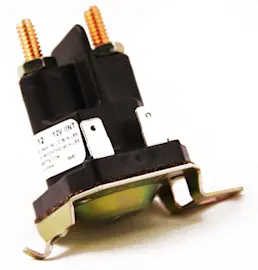
A common replacement item in the starting circuit is the lawn tractor starter solenoid 582042802.
Why it matters
An engine swap is one of the highest-cost repairs on a riding mower. Verifying the battery, wiring, and solenoid first can prevent spending engine-level money on a problem that is often electrical and straightforward.
For model-specific operating and troubleshooting guidance, use the 917288516 operator’s manual.
Last updated: February 2026
What model number is the Craftsman 917288516?
The model number for this Craftsman front-engine lawn tractor is 917288516. You’ll find the most reliable confirmation on the tractor’s model label and in the 917288516 operator's manual, which is the reference we use for parts lookup and service information.
Where to confirm the model number on the tractor
Check these common locations (clean off grass and dirt first):
- Under the seat on the fender pan or seat bracket area
- On the frame rail near the engine compartment
- Near the rear hitch plate or rear frame crossmember
- Inside the hood area on a label near the dash tower
Why the model number matters for parts
Craftsman tractors can look similar across multiple series, but parts like belts, blades, and steering links can vary by model number. Using 917288516 helps us match the correct diagrams and parts for your exact tractor.
Here are examples of parts that commonly differ by model:
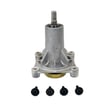
- Mower deck and blade style (deck size, spindle pattern)
- Ground drive belt length and routing
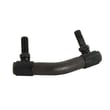
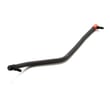
- Steering linkage geometry (drag link, pivot link)
- Electrical components (starter solenoid, harnesses)
Quick parts examples for model 917288516
If you’re confirming you’re on the right parts list, these are examples of parts shown for Craftsman 917288516:
| Part type | Example part name | Part ID |
|---|---|---|
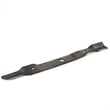
| Blade | 3-in-1 blade, 42-in | 532422719 |
| Belt | Lawn tractor ground drive or blade drive belt, 1/2 x 92-2/5-in | 592855201 |
| Electrical | Lawn tractor starter solenoid | 582042802 |
Common mix-up to avoid
Sometimes a tractor is marketed with a series name (like “YS” or a horsepower and deck size), but the model number is the numeric identifier used for parts and service. For this page, that identifier is 917288516.
Last updated: February 2026
What engine does Craftsman riding mower use?
For Craftsman lawn tractor model 917288516, the operator’s manual indicates it uses a low-emission gasoline engine; the exact engine brand and model are identified on the engine’s own label and in the engine section of the 917288516 operator’s manual.
How to identify the exact engine on your 917288516
Use these quick checks so you get the right tune-up and repair parts:
- Lift the hood and look for the engine ID label (often on the blower housing, valve cover, or near the starter)
- Write down the engine manufacturer (commonly Briggs & Stratton, Kohler, or similar on tractors of this type)
- Record the engine model, type/spec, and code/serial numbers exactly as shown
- Match those numbers when ordering engine-specific parts (air filter, spark plug, carburetor parts)
- Use the tractor model number 917288516 for chassis and deck parts (belts, blades, steering)
What the manual tells us about this tractor’s engine setup
The manual for this Craftsman tractor family describes a gasoline, low-emission engine and standard tractor controls such as throttle/choke and ignition switch. For best mowing performance, it also instructs operating the engine at full speed (fast) during mowing. See the control and operation details in the 917288516 operator’s manual.
Common engine-related specs you will confirm on the engine label
| What you need | Where to find it | Why it matters |
|---|---|---|
| Engine brand | Engine shroud/label | Ensures correct service parts |
| Engine model and spec/type | Engine label | Determines exact carburetor, filter, plug |
| Serial/code | Engine label | Helps match revisions and production runs |
Why it matters
Craftsman tractors can share the same tractor model platform while using different engine variants across production runs. Using the engine’s model and spec numbers prevents ordering the wrong air filter, starter, or ignition parts.
Last updated: February 2026
What year did Craftsman make the 917288516?
Craftsman model 917288516 is part of the Craftsman 917-series riding mower and tractor lineup; the exact production year is best confirmed by matching your tractor’s product ID and engine information to the model and serial number section in the 917288516 operator’s manual.
How to identify the build year on your tractor
We use the tractor’s identification labels and engine tag to narrow the manufacturing timeframe.
- Locate the tractor model and serial label (commonly under the seat, on the frame rail, or near the rear fender pan)
- Write down the model number (917288516) and the serial number exactly as shown
- Check the engine data tag (often on the blower housing or valve cover) for an engine model and date code
- Compare the label format and any date codes to the identification section in the manual
- If the tractor has had an engine swap, rely on the tractor serial label first, not the engine date
Quick reference: what each number tells you
| Identifier | Where you’ll find it | What it’s used for |
|---|---|---|
| Tractor model number (917288516) | Tractor ID label | Confirms the correct Craftsman parts diagrams and assemblies |
| Tractor serial number | Tractor ID label | Best clue for production run and build timeframe |
| Engine model and code | Engine tag | Helps date the engine and confirm tune-up parts |
Why it matters
The production year affects small but important fit details like mower deck hardware, belt routing, wiring harness revisions, and steering linkage geometry. Confirming the build timeframe helps us match the right parts the first time, especially for wear items like a deck belt or blade.
Parts that commonly vary by production run
- Mower deck drive belt length and routing (example: lawn tractor ground drive or blade drive belt, 1/2 x 92-2/5-in 592855201)
- Deck spindle and mandrel configurations
- Steering drag link and pivot link styles
- Electrical components such as solenoids and harness connectors
Last updated: February 2026
Is it worth replacing a lawn mower engine?
Yes, replacing the engine on your Craftsman lawn tractor model 917288516 is worth it when the tractor’s deck, transmission, and steering are still solid and the total engine-swap cost stays well below the price of a comparable replacement tractor. Use the 917288516 owner’s manual to confirm safety steps and service checks before you invest.
Quick decision checklist
- The mower deck is not rusted through, cracked, or badly bent
- The transmission still drives smoothly (no slipping, grinding, or loss of drive)
- The wiring and safety interlocks are intact (no bypassed switches)
- You can source the correct engine and any required pulleys, wiring adapters, and hardware
- You are comfortable doing a full tune-up and setup after the swap (throttle, choke, belt alignment)
Cost and value: a simple comparison
| Option | Upfront cost | Reliability after repair | Best when |
|---|---|---|---|
| Replace engine | Medium to high | High if the rest of the tractor is strong | Deck and drivetrain are in good shape |
| Buy a new tractor | High | High | Multiple systems are worn (engine plus deck plus drive) |
| Repair only what’s needed | Low to medium | Medium | Problem is starting or fuel related, not a failed engine |
Before you replace the engine, rule out common “no-start” causes
Many “bad engine” symptoms are actually starting, fuel, or maintenance issues. The troubleshooting chart in the manual calls out common causes like a weak battery, corroded terminals, loose wiring, and a faulty solenoid or starter. Use these checks first:
- Charge or replace the battery; clean and tighten battery terminals
- Inspect wiring connections at the starter and solenoid
- If you only hear a click, test/replace the solenoid; the model uses a serviceable lawn tractor starter solenoid 582042802
- Verify fresh fuel and a clean air filter; change oil if it is low or dirty
- Clear grass and debris buildup around the engine and under the mower deck (overheating and drag can mimic power loss)
Why it matters
An engine swap only pays off when it restores a dependable tractor. If the deck, belts, mandrels, or drivetrain are already near end-of-life, you can end up chasing additional repairs after the new engine is installed.
Last updated: February 2026