Owner’s manual
 Error Codes


What is the advantage of a bottom mount fridge?
A bottom-mount refrigerator like the LG LFD25860ST keeps the fresh-food section at eye level, so the items you use most are easier to see and reach. The freezer stays below, which reduces daily bending for refrigerated foods and makes organization more convenient.
Key advantages in everyday use
- Fresh foods are easier to access because the refrigerator compartment is on top.
- You open the refrigerator doors more often than the freezer, so the most-used space is more convenient.
- Better visibility for leftovers and produce, which helps reduce food waste.
- Freezer drawer storage can make it easier to group frozen items by type.
- Door alignment and closing feel are designed for frequent use; proper leveling helps doors close easily.
What to do after setup (so you get the full benefit)
Our LG bottom-mount designs rely on good airflow and correct leveling for consistent temperatures.
- Set initial temperatures to 37°F for the refrigerator and 0°F for the freezer.
- Let temperatures stabilize for 24 hours before judging performance.
- Keep packages from blocking interior air vents to maintain airflow.
- If doors do not close easily, adjust the leveling legs so the refrigerator tilts slightly to the rear.
Quick comparison
| Layout | Best for | Typical drawback |
|---|---|---|
| Bottom-mount (freezer on bottom) | Frequent fresh-food access | Freezer items sit lower |
| Top-freezer (freezer on top) | Frequent frozen-food access | More bending for fresh foods |
Why it matters
Because you access the refrigerator section many times per day, putting fresh food at eye level saves time and effort. When the unit is leveled correctly and vents stay clear, you also get steadier temperatures and better overall efficiency (see the owner's manual).
Last updated: February 2026
What are the disadvantages of a bottom freezer refrigerator?
Bottom-freezer refrigerators like the LG LFD25860ST typically cost more than top-freezer models, and the freezer drawer design can make you bend more and dig through deeper storage. They also rely on clear airflow and a working defrost and drain system, so clogs or icing can create puddles or warm-temperature complaints.
Common disadvantages (what you will notice day to day)
- More bending for frozen food: the freezer is low, so frequent freezer use is less convenient.
- Deep drawer organization: items can stack and get buried, especially bulky packages.
- Heavier access: lifting a loaded basket or drawer can be awkward.
- Often higher purchase price: bottom-mount designs commonly cost more upfront.
- Potential for drain and defrost hassles: if the defrost drain clogs, you can see water under the unit or ice buildup.
What matters most for your LG LFD25860ST
Your model depends on good air circulation between the freezer and fresh-food section. If vents get blocked by food packages, temperatures can drift and moisture can build up. We recommend using the airflow and temperature-setting guidance in the owner's manual.
Quick comparison: bottom freezer vs top freezer
| Feature | Bottom freezer | Top freezer |
|---|---|---|
| Fresh-food access | Easier (eye level) | More bending |
| Freezer access | More bending | Easier |
| Organization | Deep drawers, can bury items | Shelves, easier to see |
| Typical cost | Higher | Lower |
Tips to reduce the downsides
- Keep freezer items in bins so small packages do not disappear in the drawer.
- Do not block interior air vents; leave space around vents for Multi-Flow circulation.
- Set temps, then wait 24 hours before making another adjustment.
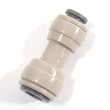
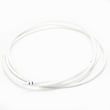
- If you see water under the refrigerator, check for a clogged drain path; the refrigerator drain tube 5251JA3003D is a common related part.
- If the compressor seems to run a lot, clean condenser coils and confirm doors close fully.
Why it matters
Most “bottom freezer problems” are really usability issues (bending, drawer organization) or airflow and moisture issues (blocked vents, frequent door openings, drain clogs). Keeping airflow clear and temperatures stable helps prevent warm spots, frost, and puddles.
Last updated: February 2026
What is the most common problem with LG refrigerators?
For LG refrigerators like model LFD25860ST, the most common customer-reported issue is a cooling problem (food warming, freezer not freezing, or temperatures swinging). In many cases, the root cause is airflow, defrost, or sensor-related, so we start with basic checks and then test the cooling system components listed in the LFD25860ST owner's manual.
Most common symptoms we see
- Fresh food section is warm but freezer is colder (or vice versa)
- Compressor seems to run a lot
- Frost buildup on the freezer back wall
- Clicking, humming, or fan noise changes
- Water leaking inside or under the refrigerator
Quick checks that solve many “not cooling” complaints
- Confirm doors seal and close fully; doors not closing can cause frost and temperature issues.
- Clean the condenser coils; dirty coils can make the compressor run longer and cool poorly.
- Check for blocked vents; overpacked shelves restrict airflow.
- Look for frost buildup; heavy frost points to a defrost system problem.
- Verify temperature settings; adjust and allow 24 hours to stabilize.
Parts that commonly relate to cooling, frost, and airflow
If the quick checks do not help, these model-compatible parts are often involved in cooling complaints:
| Problem pattern | Common system to check | Example part for LFD25860ST |
|---|---|---|
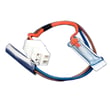
| Frost buildup, warm temps | Defrost system | Refrigerator defrost sensor assembly 6615JB2005H |
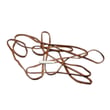
| Frost buildup, warm temps | Defrost heater | LG refrigerator defrost heater 5300JK1005D |
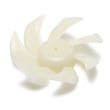
| Warm temps, weak airflow | Evaporator fan | Refrigerator evaporator fan motor 4681JB1029H |
| Warm temps, noisy rear | Condenser fan | Refrigerator condenser fan motor assembly 4681JB1029D |
| Temps swing or read wrong | Temperature sensing | Refrigerator temperature sensor 6500JB2001B |
Why it matters
Cooling problems can spoil food quickly and also force the compressor to run longer than normal. The troubleshooting section in the manual also notes that warm rooms, frequent door openings, dirty condenser coils, and doors not closing completely can all increase run time and reduce cooling performance.
Last updated: February 2026
Why does my LG freezer keep icing up at the bottom?
Ice building up on the bottom of the freezer in your LG LFD25860ST is typically caused by a clogged or frozen defrost drain, so meltwater cannot flow to the drain pan and instead refreezes on the freezer floor. Clearing the drain and restoring airflow usually stops the repeat icing.
What to check first (fast, high-success steps)
- Unplug the refrigerator before working inside the freezer.
- Remove the freezer drawer/bins and look for a solid ice sheet on the floor.
- Manually defrost the ice (door open; towels down; use a hair dryer on low, kept moving).
- After the ice melts, flush the drain opening with hot water to confirm it flows freely.
- Make sure food packages are not blocking air vents; blocked vents interrupt airflow and can worsen frost and icing.
Parts that commonly fix “ice at the bottom”
If the drain path is damaged, loose, or repeatedly refreezing, these model-compatible parts are common solutions:
- Refrigerator drain tube 5251JA3003D
- Refrigerator defrost heater 5300JK1005D
- Refrigerator defrost sensor assembly 6615JB2005H
Quick symptom-to-cause guide
| What you notice | Most likely cause | What usually fixes it |
|---|---|---|
| Ice sheet on freezer floor | Drain clogged with ice/debris | Defrost and clear/flush drain; replace drain tube if needed |
| Water pooling then freezing again | Drain line refreezing | Check heater/sensor operation; verify vents are clear |
| Frost plus weak cooling | Airflow blocked or defrost issue | Clear vents; inspect defrost heater and sensor |
Why it matters
When the defrost drain cannot carry meltwater away, water refreezes at the coldest point (the freezer bottom). Over time, that ice can interfere with drawer movement, reduce airflow, and cause temperature swings.
Helpful reference
For airflow and temperature basics (including keeping vents clear and recommended initial settings), use the owner's manual.
Last updated: February 2026