Owner’s manual



What is the capacity of the LG DLEX8100V?
The LG DLEX8100V dryer has a 9.0 cu. ft. drum capacity. This is the usable drum volume for drying loads; for model-specific operating details and cycle guidance, use the DLEX8100V owner’s manual.
What “9.0 cu. ft.” means for real-world loads
A 9.0 cu. ft. LG dryer is considered a large-capacity unit designed to handle bulky items and larger family loads.
- Handles larger loads with more room for tumbling (better airflow and more even drying)
- Helps reduce wrinkles when you avoid overloading
- Works best when you match cycle type to load (Sensor Dry vs. Time Dry)
- Bulky items still dry faster when you add a few smaller items to help “break up” the load
Quick capacity reference
| Item type | Typical fit in a 9.0 cu. ft. dryer | Tip |
|---|---|---|
| Towels | Large load | Clean lint filter first |
| Bedding | Comforters/blankets | Use the recommended cycle for bulky items |
| Everyday mixed laundry | Family-size load | Do not pack the drum tight |
Why it matters
Capacity affects drying performance, energy use, and fabric care. Even with a large 9.0 cu. ft. drum, overloading can reduce airflow, increase dry time, and contribute to overheating or shutdowns.
Last updated: January 2026
What is the most common problem with LG dryers?
The most common issue we see with LG dryers like model DLEX8100V is clothes taking too long to dry or not drying well, usually because airflow is restricted (lint filter or venting). The next most common complaint is noise from normal wear parts in the drum support system. For operating and maintenance basics, use the DLEX8100V manual.
Most common symptoms and what they usually point to
- Long dry times / damp loads: restricted exhaust duct, clogged lint filter, crushed transition hose, or a weak blower wheel
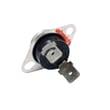
- No heat / poor heat: heating circuit issue (electric), gas supply/ignition issue (gas), or a failed temperature-sensing component
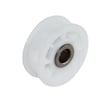
- Rumbling, thumping, squealing: worn drum support roller, idler pulley, or belt
- “Flow Sense” style airflow warnings: vent restriction or excessive duct length/elbows
- Intermittent drying: sensor/thermistor problems or inconsistent airflow
Quick checks we recommend first (fast, no parts)
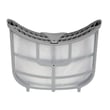
- Clean the lint filter before every load.
- Confirm strong airflow at the outside vent hood while the dryer runs.
- Inspect the transition duct behind the dryer for kinks or crushing.
- Keep the vent run as short and straight as possible.
Parts that commonly fix these problems on DLEX8100V
If troubleshooting points to a worn or failed component, these model-matched parts are common solutions:
| Problem | Likely part | What it does |
|---|---|---|
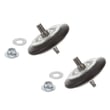
| Rumbling/thumping | Dryer drum support roller 4581EL2002L | Supports the drum as it turns |
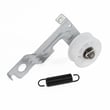
| Squealing / belt slack | Dryer idler assembly 4561EL3002A | Maintains belt tension |
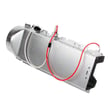
| No heat (electric) | Dryer heating element 5301EL1001J | Produces heat for drying |
| Erratic temps / sensor issues | Dryer thermistor AGM30045804 | Helps regulate temperature |
Why it matters
Airflow problems do more than slow drying; they can overheat the dryer, trigger error codes, and shorten the life of parts like thermostats, the heating element, and the blower system.
Last updated: January 2026
What is the life of an LG dryer?
An LG dryer like model DLEX8100V typically lasts 10 to 15 years with normal household use. Keeping airflow strong (clean lint filter and venting) and avoiding chronic overheating are the biggest factors that help this dryer reach the upper end of that range; see the DLEX8100V owner’s manual.
What affects lifespan the most
These items have the biggest impact on how long your DLEX8100V runs reliably:
- Vent restriction (lint buildup, crushed duct, too many elbows) that causes long dry times and extra heat
- Lint filter habits (cleaning every load, and washing the screen if it gets coated)
- Load size (overloading strains the drive system and reduces airflow)
- Heat stress (repeated overheating can shorten the life of thermostats, heating components, and wiring)
- Wear parts (belt, rollers, idler) that gradually wear and can be replaced to extend service life
Maintenance schedule we recommend
A simple routine keeps performance up and reduces breakdowns.
| Task | How often | Why it matters |
|---|---|---|
| Clean lint filter | Every load | Improves airflow and drying time |
| Check outside vent hood flap | Monthly | Confirms strong exhaust airflow |
| Clean/inspect vent duct run | At least yearly | Prevents restrictions and overheating |
| Listen for squealing/thumping | Ongoing | Catches belt/roller wear early |
Parts that commonly wear over time
If your dryer is getting noisy, taking longer to dry, or stopping mid-cycle, these model-compatible parts are often involved:
- Dryer drum belt 4400EL2001D (drum won’t turn, squealing, burning rubber smell)
- Dryer drum support roller 4581EL2002L (thumping or rumbling)
- Dryer idler assembly 4561EL3002A (squeal, belt slipping)
- Dryer thermistor AGM30045804 (temperature sensing issues, inconsistent drying)
Why it matters
A dryer that is restricted or overheating can still run, but it usually dries slower, uses more energy, and wears out key components sooner. Good airflow and timely replacement of wear parts are the most cost-effective ways to get the full 10 to 15 years from an LG dryer.
Last updated: January 2026