Owner’s manual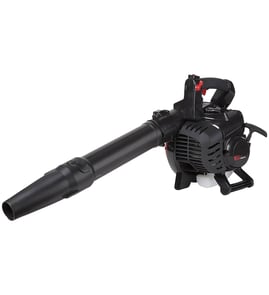






What is the life expectancy of a gas leaf blower?
A gas leaf blower typically lasts about 10 years with normal homeowner use and routine maintenance. For the Craftsman 358794771, keeping the fuel system clean and replacing wear items like the air filter and spark plug on schedule is what most directly extends service life.
What affects lifespan the most
- Fuel quality and storage habits (old fuel and ethanol issues shorten carburetor life)
- Air filtration (a clogged filter increases engine wear)
- Cooling airflow (debris buildup can cause overheating)
- Operating conditions (dusty jobs and long run times increase wear)
- Maintenance frequency (tune-ups prevent hard starting and rough running)
Maintenance checklist we recommend
Use the intervals and procedures in the 358794771 operator's manual. In general, these habits deliver the longest life:
- Clean or replace the air filter regularly; a common replacement is the leaf blower air filter 545146501
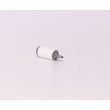
- Inspect fuel lines for cracking or softness; replace as needed with the ayp lawn & garden equipment fuel line, large 530069216
- Use fresh, properly mixed fuel (for 2-cycle engines) and avoid storing fuel in the tank long-term
- Keep the blower housing and air inlets clear of leaves and dust
- Address performance changes early (surging, stalling, loss of power)
Typical lifespan by use pattern
| Use pattern | Typical life expectancy | What usually wears first |
|---|---|---|
| Occasional seasonal use | ~10+ years | Fuel lines, air filter, spark plug |
| Regular weekly yard use | ~7 to 10 years | Carburetor, starter parts, fuel system |
| Heavy, dusty use | ~5 to 7 years | Air filtration, engine seals, carburetor |
Why it matters
Most “worn out” gas blowers are actually suffering from fuel system varnish, air restriction, or neglected tune-up parts. Staying ahead of those items costs less than replacing major components like the carburetor or crankcase.
Last updated: January 2026
Is a higher mph or CFM better for a leaf blower?
Higher CFM is better when you want to move more material at once (big piles, wet leaves), while higher MPH is better when you need more “punch” to break stubborn debris loose or do precise cleanup on hard surfaces. For Craftsman model 358794771, the operator manual lists 215 MPH and 470 CFM, which is a strong all-around balance for most yard cleanup.
How to choose: CFM vs. MPH
Use these quick rules to match the spec to the job:
- Choose higher CFM for moving large volumes: piles of leaves, grass clippings, and damp debris.
- Choose higher MPH for force and control: stuck leaves in cracks, heavier debris, and targeted blowing.
- Look at both together; a blower with high MPH but low CFM can feel “sharp” but not move piles efficiently.
- Nozzle and tube setup matters; restricting the outlet can increase air speed at the tip.
- Technique matters; keeping the air stream close to the ground improves results.
What the numbers mean (simple comparison)
| Spec | What it measures | Best for | What you notice |
|---|---|---|---|
| CFM | Air volume | Big piles, wet leaves | Faster clearing per pass |
| MPH | Air speed | Stubborn debris, precision | Stronger push, better reach |
Model-specific tips for 358794771
Your Craftsman 358794771 includes a high-speed nozzle option that’s designed for times when you want greater air speed.
- Install the high-speed nozzle when you want more focused airflow.
- Use full tube extension so the air stream works close to the ground.
- For vacuuming, run at high speed and move slowly to reduce clogging.
For assembly and operating details, follow the 358794771 operator’s manual.
Why it matters
Matching CFM and MPH to your cleanup task saves time, reduces clogging and rework, and helps you run the blower at the lowest effective throttle (less noise and less wear).
Last updated: January 2026
What is the best gas leaf blower for the money?
For the best gas leaf blower for the money, we recommend choosing based on how you’ll use it: occasional driveway and patio cleanup, weekly yard work, or heavy leaf season. For Craftsman model 358794771, the best value is keeping it running strong with the right maintenance and repairs using the 358794771 operator’s manual.
How to pick the best value gas leaf blower
A “best for the money” blower is the one that delivers enough power without being a hassle to start, carry, or maintain.
- Match blower type to your workload (handheld vs. backpack)
- Prioritize easy starting and stable idle (carburetor condition matters)
- Choose a model with readily available wear parts (air filter, fuel lines, switch)
- Consider vibration and ergonomics for longer sessions
- Plan for routine maintenance costs (filters, fuel system parts)
Value checklist (what to compare)
| What to compare | What “good value” looks like | Why it matters |
|---|---|---|
| Power and airflow | Strong enough to move wet leaves and debris | Fewer passes, less time outside |
| Weight and balance | Comfortable for your typical run time | Less fatigue, better control |
| Fuel system reliability | No leaks, no cracked lines, clean carburetor | Easier starts, fewer stalls |
| Serviceability | Common parts are easy to access and replace | Lower repair cost over time |
Getting the most value from your Craftsman 358794771
If you already own the Craftsman 358794771, the best “for the money” move is restoring performance before replacing the whole unit.
- Replace cracked or soft fuel lines with the correct diameter line such as ayp lawn & garden equipment fuel line, large 530069216
- Keep the intake clean with a fresh leaf blower air filter 545146501
- If it runs rough or won’t idle, inspect the carburetor and adapter for air leaks
- If it won’t start, check the start/stop circuit and consider Craftsman, poulan leaf blower start/stop switch kit 545081830
- If vacuuming performance drops, clear clogs and verify tubes and bag are seated
Why it matters
A gas blower’s “value” is mostly long-term reliability. A clean air filter, tight fuel system, and a properly functioning start/stop switch prevent the most common no-start and running-rough problems, which keeps your cost per season low.
Last updated: January 2026
What's the problem with gas leaf blowers?
Gas leaf blowers like the Craftsman 358794771 can create common real-world problems: exhaust fumes (including carbon monoxide risk in enclosed areas), flying debris hazards, and performance issues tied to fuel mix and maintenance. Using the correct 40:1 fuel mix and following the safety rules in the 358794771 operator's manual prevents many of the biggest headaches.
The most common “problems” owners run into
- Exhaust fumes and carbon monoxide danger: never run the blower in a closed room or unventilated area.
- Debris ricochet and property damage: rocks, sticks, and gravel can be picked up and thrown.
- Clogging and restricted airflow (especially in vacuum mode): debris buildup in tubes and vents reduces performance.
- Hard starting or rough running: often caused by stale fuel, incorrect 2-cycle mix, dirty air filter, or fuel line issues.
- Fuel leaks: cracked fuel lines or loose connections can drip fuel and create a fire hazard.
Fuel and operation basics that prevent trouble
The manual for this Craftsman gas blower specifies unleaded gasoline mixed with synthetic 2-cycle air-cooled engine oil at 40:1 (3.2 oz oil per 1 gallon gas). Use that ratio consistently; incorrect mix is a top cause of smoking, plug fouling, and poor power.
| Item | What to do | Why it matters |
|---|---|---|
| Fuel mix | 40:1 (3.2 oz oil per gallon) | Protects the engine and reduces smoking and plug fouling |
| Airflow | Keep intake, tubes, and vents clear | Prevents overheating and weak blowing/vacuuming |
| Safety | Wear eye protection; direct debris away | Reduces injury and damage risk |
Parts that commonly solve performance and leak complaints
If your blower is running rough, won’t start, or smells like fuel, these model-matched parts are frequent fixes:
- Leaf blower air filter 545146501 (restricted airflow causes poor performance)
- Ayp lawn & garden equipment fuel line, large 530069216 (cracks can cause leaks and hard starting)
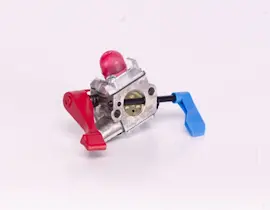
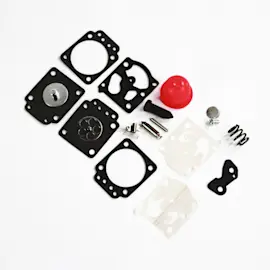
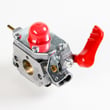
- Ayp leaf blower carburetor 545081857 (fuel delivery issues after storage)
Why it matters
Most “gas leaf blower problems” come down to two things: safety exposure (fumes and flying debris) and maintenance sensitivity (fuel mix, airflow, and fuel system condition). Staying on top of fuel and air filter care keeps the Craftsman 358794771 safer, more reliable, and easier to start.
Last updated: January 2026