Installation guide
 Owner’s manual
 Error Codes
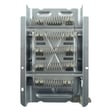


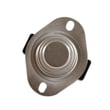
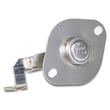
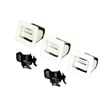
How do I tell if my dryer heating element is bad?
If your Kenmore dryer model 11062852101 runs but produces little or no heat, the heating element is a top suspect, especially when the dryer has proper power and airflow. We confirm it by checking for heat early in a cycle, then testing the element for continuity with a multimeter.
- Dryer tumbles normally but clothes stay damp or cold
- Dry times suddenly get much longer
- No heat on any heated cycle (but “Air/Fluff” still blows air)
- Burning smell or visible damage inside the heater housing (unplug first)
- Breaker trips when heat should turn on (often a shorted element)
- Start a full heat cycle (not an air cycle).
- Let it run about 5 minutes.
- Open the door and feel for heat.
If there is no heat, first verify the electrical supply: many electric dryers use two fuses or two breakers, and one can trip while the motor still runs. Use the installation guide steps for safe power checks.
Disconnect power before testing.
| Test | What you should see | What “bad” looks like |
|---|---|---|
| Element continuity (across terminals) | Continuity (typically low resistance) | Open circuit (no continuity) |
| Element to metal housing (short test) | No continuity | Continuity to housing (shorted) |
For model 11062852101, the heating element commonly replaced is the dryer element 279838.
Before installing a new element, we also recommend checking the overheat protection parts and airflow, because restricted venting can overheat and damage the heater.
A weak or shorted heating element can cause long dry times, repeated thermal shutdowns, or overheating. Fixing the root cause (power supply, vent restriction, failed thermostat or thermal cut-off) helps the new heater last.
Last updated: February 2026
Will a dryer still run if the thermal fuse is blown?
On the Kenmore 11062852101 dryer, a blown thermal fuse typically stops the dryer from running at all, or it can allow the drum to tumble but prevent heat. The fuse is a safety device that opens when the dryer overheats, often due to restricted airflow.
- Dryer will not start (most common on many Kenmore 110-style designs)
- Drum tumbles but there’s no heat (some designs cut power only to the heating circuit)
- Cycle runs but clothes stay cold and damp
- The problem returns quickly if the venting is still clogged
Disconnect power to the dryer first.
- Confirm the door fully closes and the latch engages
- Verify the house power supply is correct (many electric dryers use two fuses or two breakers; if one trips, the dryer can run but not heat)
- Check airflow: clean the lint screen, inspect the vent hose for kinks, and make sure the outside vent hood opens freely
- If the dryer runs but does not heat, inspect the heating circuit components (thermal cut-off, high-limit thermostat, heating element)
If overheating caused the failure, we fix the airflow issue first, then replace the failed safety part(s) so the dryer heats safely again.
| Symptom | Common cause | Part often involved |
|---|---|---|
| Won’t start | Open safety fuse in motor circuit | Thermal fuse (varies by configuration) |
| Runs, no heat | Open safety device in heater circuit | Dryer thermal cut-off fuse kit 279816 |
| Runs, weak or no heat | Heater circuit failure | Dryer element 279838 |
| Overheats, shuts down | Airflow restriction or thermostat issue | Dryer high-limit thermostat WP3977767 |
A thermal fuse blows to prevent dangerous overheating. Replacing the fuse without correcting vent restriction can cause repeat failures and longer dry times.
For wiring, installation checks, and startup troubleshooting steps (including verifying both breakers/fuses), use the installation guide.
Last updated: February 2026
How to hard reset a Kenmore dryer?
To hard reset your Kenmore dryer model 11062852101, we recommend disconnecting power (unplug the dryer or switch the breaker off) for about 1 to 5 minutes, then restoring power and starting a cycle again. This clears many temporary control and cycle glitches.
- Turn the dryer OFF.
- Unplug the power cord (or turn both dryer breakers OFF if your home uses a 2-pole breaker setup).
- Wait 1 to 5 minutes.
- Restore power.
- Close the door fully and press Start firmly.
- Run a short timed dry cycle to confirm normal operation.
The installation instructions for this dryer point to a few basics that commonly stop a dryer from starting:
- Controls are set to a running or On position.
- Start was pushed firmly.
- Dryer is plugged into a grounded outlet and power is on.
- House fuse is intact and tight, or the breaker has not tripped.
- Dryer door is closed (a failed door switch can mimic an open door).
If the door feels closed but the dryer acts like it is open, the door switch is a common fix: dryer door switch WP3406107.
Restricted airflow can overheat a dryer and cause cycling problems, long dry times, or no-heat symptoms. During installation, we use the straightest vent path possible and avoid crushing or kinking the vent.
- Clean the lint screen before every load.
- Check the vent hose behind the dryer for kinks or crushing.
- Make sure all vent joints are clamped and sealed (no screws protruding into the duct).
- Confirm the outside exhaust hood opens freely.
| What a hard reset can fix | What it will not fix |
|---|---|
| Temporary electronic glitches | A broken belt or seized drum |
| Stuck cycle logic | A failed heating circuit part |
| Unresponsive start after a power blip | A bad door switch or timer |
A hard reset is fast, safe, and often restores normal operation. If the dryer still will not start, focusing on power supply, door closure, and airflow gives you the quickest path to a reliable repair using model-correct parts.
For model-specific operating details and cycle behavior, use the 11062852101 owner's manual.
Last updated: February 2026
Is it worth replacing the heating element in a dryer?
Yes, it’s usually worth replacing the heating element in your Kenmore dryer model 11062852101 when the dryer still tumbles normally and the rest of the machine is in good shape. A heating element replacement typically restores heat for far less than the cost of replacing the entire dryer.
We recommend replacing the heating element when you see heat-related symptoms but the dryer is otherwise reliable:
- The drum turns, but clothes stay cold or take much longer to dry
- You can run the dryer for 5 minutes and feel little to no heat when you open the door
- The dryer has good airflow (lint screen and vent are clear) but still does not heat
- The dryer is not showing signs of major mechanical wear (loud squealing, grinding, or a slipping drum)
A common replacement for no-heat on this model is the dryer element 279838.
A “no heat” complaint is not always the element. Use these quick checks first:
- Confirm the dryer is on a heat cycle (not an air or no-heat setting)
- Check the home electrical supply; many electric dryers need two breakers/fuses and one can trip while the motor still runs
- Verify the vent is not crushed or kinked and the lint screen housing is clear
- If the dryer overheated previously, inspect heat safety parts (thermal cut-off, high-limit thermostat)
If overheating or a blown safety device is suspected, the dryer thermal cut-off fuse kit 279816 and the dryer high-limit thermostat WP3977767 are commonly involved.
| Option | Typical outcome | Best for |
|---|---|---|
| Replace heating element | Restores heat and normal dry times | Dryer tumbles and is in good overall condition |
| Replace element plus safety parts | Prevents repeat failures from overheating | Burnt smell, repeated no-heat, restricted vent history |
| Replace dryer | New appliance, higher cost | Multiple major failures (motor, drum support, timer) |
Running an electric dryer that does not heat wastes time and electricity, and repeated overheating can damage wiring and safety components. Following the setup and heat-check steps in the installation guide helps confirm whether the issue is heat production or power/venting.
Last updated: February 2026