

How to tell when a heating element is going out in a dryer?
A failing heating element in a Kirkland SEDS800JQ0 dryer usually shows up as weak or inconsistent heat, longer dry times, or no heat at all. The most reliable way to confirm it is to unplug the dryer and test the heater for continuity; if it is open, replace the element.
- Clothes take much longer to dry than normal (even with a clean lint screen)
- Dryer runs but produces little or no heat
- Heat comes and goes during the cycle (inconsistent drying)
- Burning smell or scorching on fabrics (stop using the dryer and inspect airflow)
- Breaker trips when heat should turn on (can also be wiring or motor related)
Restricted airflow can mimic a bad heater, and it can also cause overheating that blows safety fuses.
- Clean the lint screen and wash off any fabric softener film
- Check the vent hose for kinks, crushing, or heavy lint buildup
- Confirm strong airflow at the outside vent hood
- If the dryer overheats or has no heat, inspect the thermal safety parts
| What we check | What it tells us | Common next step |
|---|---|---|
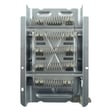
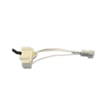
| Heating element continuity | Open circuit means the coil is broken | Replace dryer element 279838 |
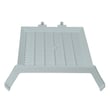
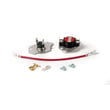
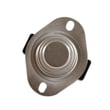
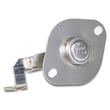
| Thermal cut-off / fuse continuity | Open fuse usually means overheating or blocked venting | Replace dryer thermal cut-off fuse kit 279816 and correct venting |
| Operating thermostat function | Can cause low heat or cycling issues | Consider dryer operating thermostat WP3387134 |
| High-limit thermostat function | Trips when temps get too high | Consider dryer thermostat WP3977767 |
A weak heater wastes energy and time, but an overheating condition (often from poor venting) can repeatedly blow the thermal cut-off and damage wiring. Fixing airflow first helps the new heating element and thermostats last.
For step-by-step troubleshooting flow, we use the same checks covered in electric dryer wont heat troubleshooting video.
Last updated: February 2026
Is it worth fixing a 7 year old dryer?
Yes, it’s usually worth fixing a 7-year-old Kirkland dryer model SEDS800JQ0 when the problem is a common wear item or safety cutoff and the repair cost stays well below the price of a comparable new dryer. Replacement makes more sense when the failure involves major drive or control parts and the total repair cost approaches half the cost of a new unit.
- Repair first if the dryer still heats and tumbles but squeals, slips, or stops intermittently.
- Repair first if the fix is a single, common part (belt, idler pulley, thermostat, thermal cut-off).
- Replace if the cabinet is badly rusted, the drum is damaged, or multiple major parts are failing.
- Replace if you need a motor plus additional parts and labor.
- Repair if airflow issues are the root cause; cleaning the vent often restores performance.
These are typical, cost-effective fixes that often restore normal drying:
| Symptom | Likely cause | Example part for this model |
|---|---|---|
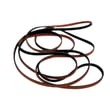
| Drum won’t turn, motor runs | Broken/slipping belt | Dryer drum belt 341241 |
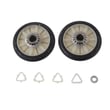
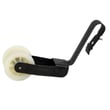
| Loud squeal or thump | Worn idler pulley or blower wheel | Idler pulley WP691366 |
| Runs but no heat (electric) | Failed heating element or thermal cut-off | Dryer element 279838 |
| Overheats or shuts off | Restricted venting or failed thermostat/fuse | Dryer thermal cut-off fuse kit 279816 |
- Clean the lint screen and the lint chute area.
- Inspect and clear the vent duct all the way to the outside hood.
- Confirm the dryer has proper power (electric models need full 240V supply).
- Listen for motor hum with no drum movement (often belt or idler related).
- If heat is weak, address airflow first; poor venting can repeatedly blow thermal fuses.
A 7-year-old dryer is typically mid-life; fixing a single failed component often delivers several more years of service. Vent cleaning and replacing common wear parts can also improve drying time and reduce overheating stress on components.
Last updated: February 2026
Is it worth repairing a dryer drum?
For the Kirkland SEDS800JQ0 dryer, repairing a damaged drum is worth it when the dryer is otherwise in good shape and the fix is limited to wear items (belt, idler, bearing). If the drum is cracked, badly warped, or the repair cost approaches half the price of a comparable replacement dryer, replacement is the better value.
- Repair when the dryer heats and runs normally and you mainly have noise, slipping, or poor tumbling.
- Replace when the drum itself is structurally damaged (cracks, severe dents, out-of-round) or multiple major systems are failing.
- Always fix airflow issues first; restricted venting can overheat parts and shorten drum support life.
Common “drum problems” are often caused by support and drive parts, not the drum shell.
- Squealing or grinding: front bearing, tri-ring, or blower area wear
- Thumping: flat-spotted drum support components or a damaged drum surface
- Drum not turning: broken belt or seized idler
- Burning smell or repeated overheating: thermal protection opening from poor airflow
Helpful parts to check for SEDS800JQ0:
- Dryer drum belt 341241
- Idler pulley WP691366
- Bearing ring 279441
- Dryer tri-ring retainer WPW10512946
Use this simple comparison to keep the decision objective.
| Situation | Typical best choice | Why |
|---|---|---|
| Drum turns poorly but cabinet and controls are fine | Repair | Often a belt, idler, or bearing issue |
| Drum is cracked/warped | Replace | Drum replacement is labor-heavy and costly |
| Dryer also has heat or safety shutdown issues | Repair only after airflow is corrected | Overheating can damage multiple components |
| Multiple major parts needed (motor, timer, drum work) | Replace | Total cost climbs fast |
A dryer drum is the core mechanical load. If the drum is truly damaged, it can quickly wear out the belt, idler pulley, and bearing surfaces, leading to repeat failures. If the issue is actually a belt or support part, repairing it restores normal tumbling at a much lower cost.
For prevention and efficiency tips that also reduce overheating wear, use how to keep a dryer clean and economical.
Last updated: February 2026
What is the most expensive part to replace on a dryer?
On the Kirkland SEDS800JQ0 dryer, the drive motor is typically the most expensive single part to replace. In many repairs, the motor cost plus labor is higher than common wear items like belts, thermostats, or a door switch.
These parts tend to be the priciest because they are major assemblies and take more time to diagnose and install:
- Drive motor: a core mechanical component; often the top-cost repair
- Timer or control (on timer-driven models): can be expensive and time-consuming to access
- Drum and cabinet assemblies (less common): higher part cost and more labor
- Heating system repairs: can add up when multiple safety parts are replaced together
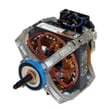
For this model, the motor is available as the motor 279827.
Actual totals vary by service rates and what else is worn, but this shows why the motor is usually the “big ticket” item.
| Part type | Example for SEDS800JQ0 | Typical reason it’s replaced |
|---|---|---|
| Motor | Motor 279827 | Hums but won’t start, won’t run, overheats |
| Timer | Dryer timer WP8299766 | Won’t advance, intermittent operation |
| Heating element | Dryer element 279838 | No heat (electric models), broken coil |
| Belt | Dryer drum belt 341241 | Drum won’t turn, squealing, belt snapped |
We recommend ruling out simpler causes first, because symptoms can overlap.
- Check for a tripped breaker or loose power cord connection
- Confirm the door closes and latches; a bad switch can mimic a “dead” dryer
- Listen for motor hum (possible stuck blower wheel, seized drum support, or failed motor)
- Inspect airflow and lint buildup; overheating can trip safety devices
- If the drum won’t turn, check the belt and idler before condemning the motor
A good maintenance baseline that prevents repeat failures is covered in how to keep a dryer clean and economical.
Replacing the motor is a higher-cost repair, so confirming the root cause first helps avoid unnecessary parts and reduces the chance of a repeat breakdown caused by drag (belt, idler pulley, blower wheel, or restricted venting).
Last updated: February 2026