 Installation guide
 Owner’s manual




How do you force a GE dishwasher to drain?
To force-drain a GE GDF610PMJ6ES dishwasher, cancel the cycle: press and hold Start for 3 seconds, then close the door. The dishwasher should begin draining right away; once it stops, open the door and confirm the tub is empty per the GDF610PMJ6ES owner’s manual.
Quick steps to force a drain
- Press and hold Start for 3 seconds.
- Close the door to let the cancel/drain sequence run.
- Listen for the drain pump running; draining typically starts immediately.
- When the sound stops, open the door and check for standing water.
- If water remains, check the drain path (air gap, disposer plug, hose routing).
If it still won’t drain: what to check
Most drain problems on this GE dishwasher come from a blocked drain path or a kinked hose.
- Air gap (if installed): remove the cap and clean debris.
- Garbage disposer inlet plug: make sure the knockout plug was removed (new disposer installs are a common cause).
- Drain hose routing: confirm it is not twisted, pinched, or kinked under/behind the unit.
- High drain loop: keep the high loop in place; it helps prevent backflow.
- Drain hose length: keep total drain hose length within typical installation limits (often 15 ft max).
Drain troubleshooting checklist
| What you see | Most likely cause | What we do next |
|---|---|---|
| Hums but little/no water leaves | Kinked hose or clogged air gap | Straighten hose; clean air gap |
| Water backs up into tub | Missing/low drain loop or drain restriction | Correct hose routing; clear restriction |
| Standing water after cancel | Disposer plug still installed or blockage | Remove plug; clear drain path |
Why it matters
Canceling correctly forces the drain pump to run and clears the tub so you can diagnose the real issue (hose kink, air gap clog, disposer plug, or a failing pump) without guessing.
Last updated: January 2026
What is the most common problem with a GE dishwasher?
The most common GE dishwasher problem is a no-start or won’t-run condition. On the GE GDF610PMJ6ES, the most frequent causes are a door that is not fully latched, a tripped breaker or blown fuse, a locked control panel, or the Start sequence not being followed (all covered in the GDF610PMJ6ES owner’s manual).
Quick checks we recommend first
- Confirm the door closes firmly and latches; a slightly open door prevents the cycle from starting.
- Reset the circuit breaker or replace the fuse; also unplug or turn off other loads on the same circuit.
- Check for a wall switch that powers the dishwasher (often near the disposer switch) and make sure it is ON.
- Unlock the control panel if it is locked.
- Turn on the water supply valve under the sink.
- If the unit shows a leak-detected message, stop using it and schedule service.
Parts that commonly fix “won’t start” symptoms
If power and settings are correct but the dishwasher still won’t run, these parts are common suspects on this model:
| Symptom | Most likely area | Example part for this model |
|---|---|---|
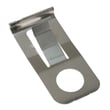
| Door closes but cycle won’t begin | Door latch/door switch circuit | GE dishwasher door latch lock WD21X10490 |
| Lights work but buttons act erratic | User interface/control panel | Dishwasher user interface assembly (model-specific) |
| Completely dead or intermittent power | Wiring, fuse, control circuit | Dishwasher control board fuse (model-specific) |
Why it matters
A dishwasher that won’t start is usually a safety interlock or power issue, not a wash-system failure. Fixing the latch, power supply, or control lock first prevents unnecessary part replacement and gets the GE GDF610PMJ6ES running again faster.
Helpful troubleshooting resources
- Use the GE electronic dishwasher error codes guide if your display is showing an error or flashing pattern.
- If the dishwasher has power but won’t run, follow the steps in dishwasher has power but wont run could be demo mode.
Last updated: January 2026
What is the average life expectancy of a GE dishwasher?
A GE dishwasher like model GDF610PMJ6ES typically lasts about 10 years with normal household use. Consistent cleaning, correct detergent use, and fixing small issues early (like poor draining or weak wash action) help you reach that lifespan.
What affects dishwasher lifespan most
- Water quality: hard water speeds up mineral buildup on internal parts.
- Cleaning and maintenance: keeping the interior and filters clean reduces strain on the circulation system.
- Loading habits: overloading blocks spray arms and can lead to poor cleaning and extra wear.
- Drying heat use: frequent heated drying can increase wear on heating components.
- Early repairs: replacing a worn part before it causes secondary damage extends service life.
Maintenance checklist we recommend
Use these habits to keep your GDF610PMJ6ES running longer:
- Clean and deodorize the tub periodically (citric acid or dishwasher cleaner is commonly used).
- Wipe the control panel with a lightly damp cloth, then dry.
- Check spray arms for clogs and spinning resistance.
- Keep the door sealing surfaces clean to prevent leaks.
- Make sure the dishwasher is installed so it can be removed for service later.
Common “wear items” and what they impact
| Part or system | What you may notice when it’s wearing out | Example part for this model |
|---|---|---|
| Wash spray system | Dishes not getting clean, weak spray | Dishwasher spray arm, lower WD22X33499 |
| Heating system | Poor drying, cooler water | Dishwasher heating element WD05X30818 |
| Door latch | Won’t start, door won’t stay latched | GE dishwasher door latch lock WD21X10490 |
Why it matters
Knowing the typical 10-year lifespan helps you decide whether to maintain and repair (often cost-effective in mid-life) or plan for replacement when multiple major components start failing.
For model-specific care and cleaning guidance, follow the GDF610PMJ6ES owner’s manual.
Last updated: January 2026
Can a clogged drain cause an FTD error?
Yes. On the GE GDF610PMJ6ES dishwasher, a clogged drain path can lead to an FTD-type fill trouble because the dishwasher expects the tub to be empty before the next fill; standing water can interfere with normal drain and fill sensing.
What to check first (fast, no parts)
- Cancel the cycle and let the dishwasher run its drain.
- Check for standing water in the bottom of the tub.
- Clean the filter area; food debris is the most common restriction.
- If you have an air gap, clean it (a common cause of poor draining).
- If the dishwasher drains into a disposer, run the disposer clear.
Drain restrictions that commonly trigger the problem
The GE troubleshooting guidance points to clogs such as an air gap blockage or a clogged drain as reasons water can remain in the tub. Use the GDF610PMJ6ES owner's manual for the exact care and cleaning steps for the filter and air gap.
| Where the clog happens | What you notice | What to do |
|---|---|---|
| Air gap (if installed) | Slow drain, water left in tub | Clean the air gap cap and passage |
| Filter/sump area | Debris around filter, poor drain | Remove and rinse filter components |
| Disposer or sink drain | Sink drains slowly | Clear disposer or household drain |
| Drain hose | Kinked, crushed, restricted | Straighten or replace the hose |
When a part is likely involved
If the drain route is clear but the unit still will not pump water out during Cancel/Drain, a drain component becomes the next check.
- Pump hums but little or no water moves: pump may be jammed.
- Drains sometimes: partial blockage in the hose or sink connection.
- Never drains: pump, wiring, or control issue.
If the hose is split, kinked, or internally restricted, replace the dishwasher drain hose WD24X10062.
Why it matters
Clearing the drain system prevents repeat fill errors, improves wash performance, and helps stop water from sitting in the tub between cycles.
Last updated: January 2026





