Owner’s manual
 Error Codes


What is the difference between force defrost RD and FD?
On Samsung refrigerator model RF26VABBP, RD is the forced defrost mode for the refrigerator (fresh food) evaporator, while FD is a broader forced defrost mode that typically advances to the next defrost step in the service mode sequence. Use these modes only for troubleshooting.
What RD vs. FD usually does
When you enter forced defrost/service mode, the display codes indicate which defrost routine you are commanding.
- RD (refrigerator defrost): Targets the fresh food compartment defrost circuit (refrigerator evaporator area).
- FD (forced defrost): Typically the next forced defrost selection after RD; on some Samsung platforms it is the primary or only forced defrost option.
- Goal of either mode: Melt frost off the evaporator so airflow can return to normal.
- What you may notice: Fan behavior and temperature readings can change while the unit is in the test mode.
When to use each mode (practical guidance)
Use the mode that matches the symptom you are chasing.
| Symptom you see | More likely to help | Why |
|---|---|---|
| Fresh food section warm, freezer OK | RD | Focuses on refrigerator-side defrost and airflow recovery |
| Heavy frost suspected and you want the next defrost step | FD | Advances to the broader/next forced defrost selection |
| Ice maker issues caused by warm temps | RD or FD (after checking basics) | Defrost problems can reduce cooling and ice production |
Why it matters
A defrost failure can cause frost buildup on the evaporator, which blocks airflow and makes the refrigerator section run warm even if the compressor is running. Using the correct forced defrost mode helps you confirm whether the defrost system is responding.
What to check if you suspect a defrost problem
- Confirm the doors are sealing and closing fully.
- Verify temperature settings are reasonable (typical targets are about 38°F fresh food and -2°F freezer).
- Look for signs of frost buildup behind the interior rear panel.
- If you also have water leaking or icing, check the drain path; a clogged drain can refreeze and worsen icing.
For the exact button sequence and display behavior for your unit, follow the steps in the RF26VABBP owner's manual.
Last updated: January 2026
What is the most common problem with Samsung refrigerators?
The most common issues we see with Samsung refrigerators like model RF26VABBP are cooling problems (warm fridge or freezer) and ice maker problems (no ice, small cubes, or slow production). Many of these start with airflow restrictions, water supply issues, or basic maintenance.
Most common symptoms and what they usually point to
- Fridge warm, freezer OK: blocked vents, heavy frost on the evaporator cover, or a weak evaporator fan
- Freezer warm, fridge warm: condenser airflow problem, dirty condenser area, or sealed-system/compressor concerns
- Ice maker not making ice: low water pressure, frozen fill tube, or an ice maker assembly issue
- Water dispenser slow: low supply pressure or a restricted filter
- Water under the fridge: a clogged/iced defrost drain
Quick checks you can do first (no tools)
- Confirm doors close fully and seals are clean.
- Make sure vents inside the compartments are not blocked by food.
- If ice maker or dispenser is acting up, verify household water pressure and flow.
- If you notice puddling, inspect for a defrost drain issue.
Water pressure spec that affects ice and water
Your Samsung manual calls out 20 to 125 psi as the normal water pressure range needed for proper ice maker operation. If pressure is below 20 psi, a booster pump is commonly used. See the RF26VABBP owner's manual for the full water line and dispenser checks.
| Problem area | Most likely cause | Common next step |
|---|---|---|
| Ice maker | Low water pressure or failed ice maker | Check pressure; consider replacing ice maker |
| Cooling | Airflow restriction or fan issue | Clear vents; listen for fan operation |
| Leaks/puddles | Clogged defrost drain | Clear drain; replace drain tube if damaged |
Parts that commonly relate to these problems
If your troubleshooting points to a specific failure, these are common repair parts for this model:
- Refrigerator ice maker assembly DA97-05422A (ice production issues)
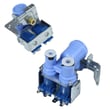
- Kenmore pro refrigerator water inlet valve DA62-00914B (no water to ice maker/dispenser)
- Refrigerator drain tube DA97-04049D (water under the unit from drain problems)
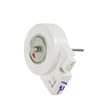
- Refrigerator condenser fan DA31-00146B (poor cooling from lack of condenser airflow)
Why it matters
Cooling and ice maker complaints often share the same root causes: restricted airflow, incorrect temperatures, or inadequate water pressure. Catching those early helps prevent food spoilage, repeated ice jams, and water leaks.
Last updated: January 2026
What's the lifespan of a bottom freezer fridge?
Most bottom-freezer refrigerators typically last about 13 years with normal household use and basic maintenance. For your Samsung RF26VABBP, keeping airflow clear, doors sealing well, and the defrost drain open helps you reach that expected service life; see the RF26VABBP owner's manual for care and operating guidance.
Typical lifespan and what affects it
A bottom-freezer (bottom-mount) fridge’s lifespan depends most on compressor run time, door seal condition, and how well the unit can shed heat.
- Typical lifespan: ~13 years
- Common early-life issues: ice maker and water system problems, door seal leaks, drain clogs
- Common later-life issues: fan motors, control boards, sealed system wear
| Factor | What it does | What you can do |
|---|---|---|
| Dirty condenser area | Raises operating temps and run time | Vacuum and brush the condenser area periodically |
| Weak door gaskets | Lets warm air in, causes frost and long run times | Clean and inspect gaskets; replace if torn or warped |
| Clogged defrost drain | Can cause water leaks and ice buildup | Clear the drain and keep the drain tube open |
| Heavy use (frequent openings) | Increases compressor cycling | Minimize long door-open times |
Maintenance that helps you hit the full lifespan
These steps reduce strain on key parts like the compressor, condenser fan, and evaporator fan.
- Keep the refrigerator and freezer temperatures set to recommended ranges.
- Avoid overfilling so air can circulate (especially near vents).
- Clean the condenser area and confirm the condenser fan runs freely.
- Check door alignment and gasket contact all the way around.
- Replace the water filter on schedule (many Samsung models are about every 6 months).
When a “lifespan” problem is really a fixable issue
If you’re seeing symptoms like warm temps, puddles, or ice production problems, the refrigerator may not be “at end of life”; it may need a targeted repair.
- Water under the fridge or in the fresh food section: a clogged drain is common; the refrigerator drain tube DA97-04049D is a frequent fix when the drain path is damaged or restricted.
- No ice or slow ice: often water supply, filter, or ice maker related; use why your Samsung fridge stopped making ice and how to fix it for a step-by-step checklist.
Why it matters
A refrigerator that runs longer and hotter than normal wears out the compressor and fans faster. Simple airflow, sealing, and drain maintenance can add years of reliable cooling and help prevent food spoilage.
Last updated: January 2026
Why is my Samsung fridge leaking from the bottom?
On the Samsung RF26VABBP, a bottom leak is most often caused by a clogged or frozen defrost drain that overflows and runs down into the fresh food section or out near the front. Clearing the drain path and checking door gaskets usually stops the leak.
Quick checks we recommend first
- Unplug the refrigerator before inspecting or clearing ice or water.
- Look for water under the crisper drawers (common sign of a defrost drain issue).
- Check the freezer floor for a sheet of ice (often points to a drain freeze-up).
- Inspect the door gaskets for gaps, tears, or areas not sealing flat.
- Confirm the unit is level so water flows to the drain and into the drain pan.
How to clear a clogged or frozen defrost drain
- Remove food and drawers as needed to access the drain trough area.
- Melt visible ice with warm water (not boiling) and towels.
- Flush the drain hole with warm water using a turkey baster or squeeze bottle.
- If water backs up, gently work a flexible plastic tube or pipe cleaner into the drain to clear debris.
- Recheck for steady flow to the drain pan underneath.
For model-specific access points and panel removal steps, follow the RF26VABBP owner's manual.
Parts that commonly relate to bottom leaks
If the drain path is damaged or not directing water correctly, replacing the drain tube is a common fix.
| Symptom | Most likely area | What to do next |
|---|---|---|
| Water under crispers | Defrost drain/drain hole | Clear ice and flush drain |
| Water on floor at front | Drain overflow or door not sealing | Level unit; inspect gaskets |
| Puddle after defrost cycle | Drain tube not draining to pan | Inspect/replace drain tube |
If you find the drain tube is split, missing, or not seated, use the exact replacement refrigerator drain tube DA97-04049D.
Why it matters
A restricted defrost drain can cause recurring ice buildup, water damage to shelves and drawers, and temperature swings as airflow gets blocked. Fixing the drain early helps protect food and prevents repeat leaks.
Last updated: January 2026