Owner’s manual
 Error Codes



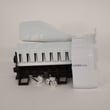
How to find GE appliance parts?
To find the right parts for your GE GFE28GSKMSS bottom-mount refrigerator, match parts by the full model number. Use the model number to pull the correct parts list and diagrams, then confirm the part fits by comparing the description and where it installs in the refrigerator.
Where to find the model number
For GE refrigerators like model GFE28GSKMSS, the model and serial tag is typically inside the fresh food compartment on a side wall, near the top, or around the door opening.
- Look on the left or right interior wall of the refrigerator section
- Check near the ceiling of the fresh food compartment
- Check the door jamb area (around the gasket line)
- Write the model number exactly as shown (letters and numbers)
How we recommend choosing the correct part
Once you have GFE28GSKMSS, use it to narrow results to the exact bottom-freezer platform and revision. Then verify the part by location and function.
- Start with the parts list for model GFE28GSKMSS
- Use the exploded-view diagrams to identify the correct section (ice maker, dispenser, doors, evaporator area)
- Confirm the part name matches what you are replacing (for example: door gasket, water inlet valve, evaporator fan motor)
- Compare any visible details (connector style, mounting points, length) before ordering
- Use the troubleshooting steps in the GFE28GSKMSS owner's manual to confirm the failed component before you buy
Common “right part, wrong fit” situations
These are the most common reasons a part does not match, even when it looks similar:
| What differs | What to check before ordering |
|---|---|
| Model variation | Confirm the full model number is GFE28GSKMSS (not a close match) |
| Door style | French door components (mullion, hinges) must match your door configuration |
| Water system | Filter type, tubing connections, and valve ports must match |
| Ice maker setup | Bucket style and ice maker mounting can vary by series |
If you are working on a door or mullion issue, our DIY guide how to remove a GE french door refrigerator flipper mullion helps you identify the correct door-divider components.
Why it matters
Using the exact model number prevents ordering parts that physically fit but do not connect correctly (wiring plugs, water fittings) or do not match the refrigerator’s configuration (doors, dispenser, ice maker). That saves time and avoids repeat repairs.
Last updated: February 2026
What is the average lifespan of a GE refrigerator?
Most GE refrigerators average about 10 to 20 years of service life with normal home use and basic maintenance. For your GE GFE28GSKMSS bottom-mount refrigerator, keeping airflow clear, doors sealing tightly, and filters maintained is what most directly helps you reach the high end of that range.
Typical lifespan range (what to expect)
Refrigerator life varies most by usage, installation conditions, and maintenance.
| Appliance type | Typical lifespan | What usually ends life first |
|---|---|---|
| Standard household refrigerator (including GE bottom-mount) | 10 to 20 years | Sealed system wear, control issues, fan failures |
| Water filter and air filter (consumables) | Months, not years | Clogging, reduced flow, odor issues |
What helps a GE refrigerator last longer
We see these habits make the biggest difference on GE bottom-freezer models like the GFE28GSKMSS:
- Keep condenser and ventilation areas clear of dust and pet hair
- Confirm doors close fully and gaskets seal all the way around
- Keep temperatures stable (avoid frequent warm-ups from long door openings)
- Replace the water filter on schedule to protect the dispenser and ice maker
- Level the refrigerator so doors self-close and align correctly
- Avoid overpacking; good airflow prevents hot spots and longer run times
Quick maintenance checklist
Use this as a simple routine to protect cooling performance and reduce strain on the compressor:
- Monthly: Wipe door gaskets; check for gaps or tears
- Every 3 to 6 months: Clean dust from vents and accessible condenser areas
- As needed: Address puddles, frost buildup, or unusual fan noise promptly
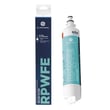
- Per your schedule: Replace the water filter (your manual references the RPWFE cartridge)
For model-specific care steps, filter guidance, and feature operation, use the GFE28GSKMSS owner's manual.
Why it matters
A refrigerator that is running with restricted airflow, a weak door seal, or a clogged filter typically runs longer and harder. That extra runtime increases wear on key components like the evaporator fan, condenser fan, and compressor, which can shorten overall lifespan.
Last updated: February 2026
What is the most common problem with a GE refrigerator?
The most common GE refrigerator problem we see is not cooling properly (fresh food warm, freezer warming, or temps swinging). On the GE GFE28GSKMSS bottom-mount refrigerator, the fastest wins are checking airflow, condenser cleanliness, and door sealing; then move to fan, defrost, and sealed-system checks using the owner's manual.
Most common issues (and what they look like)
- Not cooling or weak cooling: warm sections, soft ice cream, food spoiling early
- Unusual noises: buzzing, rattling, clicking, or a loud fan sound
- Ice maker not working: no ice, small cubes, slow production
- Dispenser problems: no water, slow water, crushed/cubed issues
- Water leaks: puddles under the unit or inside the fresh food section
- Door not closing: gaps, moisture, frost, or door alarm beeping
- Lights not working: dark compartment or flickering LEDs
Quick checks we recommend first (10 to 20 minutes)
- Confirm temperatures: set fresh food to about 37°F and freezer to about 0°F.
- Check vents and airflow: do not block interior vents with bins or food.
- Clean the condenser area: dust buildup reduces cooling and can increase noise.
- Inspect door gaskets: look for tears, gaps, or areas not sealing.
- Listen for fans: evaporator fan (inside) and condenser fan (near compressor) should run during cooling.
Symptom-to-cause cheat sheet
| Symptom | Most likely cause | What to do next |
|---|---|---|
| Fresh food warm, freezer OK | Airflow restriction or evaporator fan issue | Clear vents; check fan operation |
| Freezer warm too | Dirty condenser, condenser fan, compressor/relay | Clean condenser; listen for fan/compressor |
| Frost on back wall/freezer | Defrost system issue | Check for heavy frost pattern |
| Puddles under fridge | Defrost drain clog or water line leak | Inspect drain area and water line connections |
| Door alarm keeps sounding | Door not sealing or door not fully closed | Check gasket, hinges, and bin interference |
Why it matters
Cooling complaints often start as a simple airflow or maintenance issue; fixing that early helps prevent food loss, ice maker trouble, and longer compressor run times.
Helpful GE-specific DIY guides
Last updated: February 2026