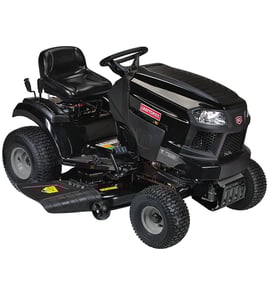
What motor is in a Murray riding mower?
For the Murray 46256X9A front-engine lawn tractor, the exact engine make, model, and horsepower depend on the specific build and engine spec number on your tractor. We recommend identifying the engine by reading the ID label on the engine itself, then matching that information to the correct parts list.
How to identify the engine on a Murray 46256X9A
Look for an engine identification label (often on the blower housing, valve cover, or near the starter). Record these details:
- Engine manufacturer (commonly Briggs & Stratton on many Murray tractors)
- Engine model and type (or “model/type/code” format)
- Displacement (cc) or horsepower rating
- Engine spec number (this is the key for correct parts)
- Serial number (helpful for confirming production run)
Quick checks that help confirm you have the right engine
These physical clues help you match the correct engine family before ordering parts:
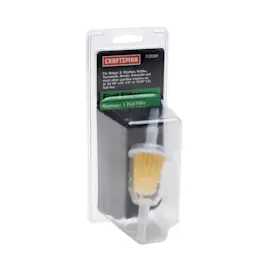
- Air filter style (panel vs. round cartridge)
- Carburetor location and linkage layout
- Spark plug location and boot angle
- Muffler shape and mounting position
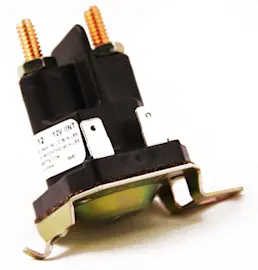
- Starter and solenoid placement
Common engine types you may see (what to expect)
Many Murray riding mowers in this class use a single-cylinder OHV gasoline engine in the 400 to 600 cc range. Some retail listings for similar Murray 42-inch tractors mention a Briggs & Stratton 500 cc engine; use your engine label to confirm what is actually installed on your 46256X9A.
| What you have | Where to find it | Why it matters |
|---|---|---|
| Engine model/type/code | Engine ID label | Determines tune-up and gasket parts |
| Spec number | Engine ID label | Ensures the correct carburetor, starter, and ignition parts |
| Deck size vs. engine | Tractor and deck tags | Helps match belts, blades, and pulleys |
Why it matters
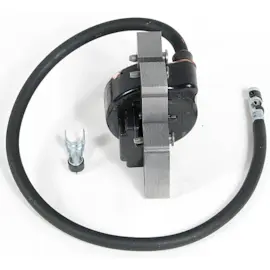
Murray tractors can ship with different engines across production runs, and the engine spec number controls which carburetor, ignition coil, air filter, and fuel system parts fit. Using the engine label prevents wrong-part returns and saves repair time.
Helpful DIY reference
If your tractor is having starting trouble while you are identifying the engine, use our troubleshooting steps in riding lawn mower engine clicks but doesnt turn over video.
Last updated: February 2026
Who manufactures murray mowers?
For Murray riding mowers such as model 46256X9A, Murray-branded mowers have been manufactured under different corporate owners over time; many Murray riding mower products were produced by Briggs & Stratton (including its Power Products group) during key years of Murray’s modern production.
Quick way to identify the manufacturer for your exact mower
Because “Murray” is a brand name that has been used across multiple production eras, the most reliable way to confirm who built your specific unit is to match the ID information on the mower.
- Check the model and serial tag (often under the seat, on the frame rail, or near the engine)
- Write down the full model number (you already have 46256X9A) and the serial number
- Look for an engine brand label (commonly Briggs & Stratton, Tecumseh, or others depending on year)
- Note the deck size and transmission type (helps narrow parts diagrams)
- Use the model number to match the correct parts breakdown and assemblies
What “manufacturer” can mean (brand vs. builder)
On riding lawn tractors, “manufacturer” can refer to different things:
| What you’re identifying | What it tells you | Where to look |
|---|---|---|
| Brand name (Murray) | The name on the hood | Hood decals, model tag |
| Equipment builder | Who assembled the tractor | Model/serial tag, parts breakdown |
| Engine maker | Who built the engine | Engine shroud label |
| Key component suppliers | Who made major systems | Transmission tag, axle labels |
Why it matters when ordering parts
The builder and component brands determine which belts, blades, pulleys, spindles, ignition parts, and safety switches fit your Murray 46256X9A. Confirming the exact identification tag details prevents ordering the wrong deck or drive components.
Helpful DIY reference
If you’re troubleshooting a no-start or click-no-crank issue while you’re identifying the engine and electrical system, use: riding lawn mower engine clicks but doesnt turn over video.
Last updated: February 2026
What is the average lifespan of 46256X9A?
A Murray 46256X9A front-engine lawn tractor typically lasts 10 to 15 years with normal residential mowing and consistent maintenance. Lifespan is driven most by engine care, deck condition, and how well the drive system and electrical connections are kept clean and adjusted.
Typical lifespan by use
- Light use (small yard, weekly mowing): 12 to 15 years
- Moderate use (average yard, longer season): 10 to 12 years
- Heavy use (rough terrain, frequent towing): 7 to 10 years
| What affects lifespan most | What to do | How often |
|---|---|---|
| Engine lubrication | Change oil, keep oil at proper level | Every season (or per hours used) |
| Air and fuel delivery | Clean/replace air filter, use fresh fuel | Each season; fuel stabilized for storage |
| Cutting deck wear | Clean underside, check blades and spindles | Every few mows; inspect monthly |
| Drive system | Check belt condition, keep pulleys aligned | Inspect each season |
| Electrical reliability | Clean battery terminals, inspect wiring | Each season; before first start |
Maintenance habits that add years
- Keep the mower deck clean to prevent rust and premature spindle wear.
- Avoid mowing wet grass; it loads the deck, belts, and engine.
- Store the tractor dry; cover it and keep tires off damp ground when possible.
- Replace worn belts and blades promptly; running worn parts strains the engine and deck.
- Keep battery connections tight and corrosion-free to protect the charging system.
Why it matters
Most “end of life” issues on riding mowers are really maintenance and wear-item stacking (belts, blades, spindles, battery, wiring). Staying ahead of those items keeps the Murray 46256X9A reliable and prevents bigger failures like deck damage or repeated no-start problems.
For general DIY safety and planning before repairs, we recommend [are diy appliance repairs safe].
Last updated: March 2026