



What is the PRS error on a GE dishwasher?
On the GE GDT605PGM5BB dishwasher, a PRS (sometimes shown as PrS) error points to a problem with water level or pressure sensing during fill, so the control is not seeing the expected water conditions to start or continue the cycle.
What to check first (fast, no tools)
- Make sure the water supply shutoff valve under the sink is fully open.
- Confirm the dishwasher is getting strong hot water at the sink; weak supply can cause fill issues.
- Check the float inside the tub (usually front corner) moves freely and is not stuck up by debris.
- Cancel the cycle and restart; a temporary sensing glitch can clear after a reset.
- If the unit recently had power loss, restore power and try a normal cycle again.
Common causes and likely fixes
| What’s happening | What it can mean | What we do next |
|---|---|---|
| Dishwasher fills too little | Low supply pressure, restricted inlet screen, kinked supply line | Verify supply, inspect line routing, clean inlet screen if accessible |
| Dishwasher overfills or senses wrong level | Float stuck, pressure/level sensing issue | Free the float, check for suds or debris affecting sensing |
| Stops early with PRS | Drain or fill system not reaching expected conditions | Check for drain restrictions and proper fill |
Step-by-step troubleshooting (safe DIY)
- Turn off power at the breaker for 2 minutes, then restore power.
- Run water at the kitchen faucet until it’s hot, then start the dishwasher.
- Listen during the first few minutes: you should hear a steady fill, then wash motor.
- If it drains immediately or never seems to fill, inspect the drain hose for kinks and the sink/disposal connection for blockage.
- If PRS returns, focus on fill components (water inlet valve, inlet screen) and level sensing (float, pressure sensing path).
Why it matters
The dishwasher’s control uses water level and pressure feedback to protect the wash pump and prevent overfilling. When that feedback is out of range, it can stop the cycle to avoid poor cleaning, leaks, or pump damage.
Related GE help
Use our GE electronic dishwasher error codes guide to confirm the exact display behavior and see other codes that often appear with fill or sensing problems.
Last updated: February 2026
How do I fix an FTD error on my GE dishwasher?
On the GE GDT605PGM5BB dishwasher, an FTD error typically points to a drain problem (the unit is not draining in the expected time). We fix it by clearing the drain path first, then checking the drain pump and wiring; a failed pump needs replacement.
Quick checks that solve most FTD errors
- Cancel the cycle and let the dishwasher try to drain; listen for the drain pump running.
- Remove standing water (wet vac or cup) so you can inspect the sump area safely.
- Clean the filter and sump area; clear labels, glass, seeds, and food debris.
- Check the drain hose for kinks, crushing, or a high loop that fell down.
- Clear the garbage disposal inlet (if connected) and confirm the knockout plug was removed.
- Inspect the sink air gap (if you have one) and clean it.
Step-by-step troubleshooting (in the right order)
- Power reset: Turn off the breaker for 2 minutes, then restore power and retry Drain/Cancel.
- Drain path inspection: Verify water can flow from the tub to the sink/disposal; a clogged hose or air gap can trigger FTD.
- Drain pump check: If you hear a hum but no drain, the impeller may be jammed. If the pump is silent, check wiring connections at the pump and control.
- Electrical test (advanced): With power off, test the drain pump for continuity with a multimeter. No continuity typically means the pump motor is failed.
What the symptoms usually mean
| Symptom | Most likely cause | What to do next |
|---|---|---|
| Hums but won’t drain | Jammed pump/blocked hose | Clear obstruction; re-test drain |
| Completely silent on drain | Wiring issue or failed pump | Check harness/connector; test pump continuity |
| Drains slowly | Partial clog in hose/air gap/disposal | Clean/clear drain path |
| Drains, then error returns | Intermittent restriction or control sensing issue | Recheck high loop, air gap, and hose routing |
Why it matters
An FTD condition leaves dirty water in the tub, can cause odors, and can stop the cycle mid-wash. Fixing the drain path and confirming the drain pump is healthy restores normal wash and dry performance.
For code lookups and related GE drain and fill faults, use our GE electronic dishwasher error codes reference.
Last updated: February 2026
What is the average lifespan of a GE dishwasher?
A GE dishwasher typically lasts 10 to 12 years with normal household use and basic care. For your GE GDT605PGM5BB, consistent cleaning, correct detergent use, and fixing small issues early (drain, fill, heat, or door-latch problems) helps you reach the high end of that range.
Typical lifespan range (what to expect)
Most dishwashers fall into a predictable window based on use and maintenance.
| Usage pattern | Typical lifespan | What shortens it most |
|---|---|---|
| Light (1 to 3 loads/week) | 12 to 15 years | Long periods of non-use, stale water, mineral buildup |
| Average (4 to 7 loads/week) | 10 to 12 years | Clogged filter area, poor drying heat, hard water |
| Heavy (2+ loads/day) | 8 to 10 years | Worn pump seals, rack wear, frequent overheating |
What extends the life of a GE dishwasher
We see the biggest lifespan gains from a few repeatable habits:
- Clean the filter and sump area regularly so the wash pump is not fighting debris.
- Keep spray arms clear (no seeds, labels, or broken glass blocking jets).
- Use the right detergent amount; too much can cause residue and poor draining.
- Run hot water at the sink before starting so the unit fills with hotter water.
- Check and clean the door gasket area to prevent leaks and moisture damage.
- Address slow draining, weak cleaning, or error beeps early instead of re-running cycles.
When “it’s time” (repair vs. replace signals)
These symptoms usually mean the dishwasher is nearing end-of-life unless the fix is simple:
- Repeated no-drain or no-fill problems
- Persistent leaking from the door or bottom pan
- Dishes stay gritty even after cleaning the filter and spray arms
- Burning smell, frequent shutdowns, or recurring control issues
- Rusting racks and failing rack wheels that keep coming back
Why it matters
A dishwasher that is struggling to drain, heat, or circulate water runs longer, cleans worse, and puts extra strain on the motor, pump, and control board. Catching those issues early often adds years of reliable service.
For troubleshooting help when a cycle stops or the control shows a fault, use GE electronic dishwasher error codes.
Can I replace dishwasher parts myself?
Yes, for a GE dishwasher model GDT605PGM5BB, we can replace many common parts ourselves if the repair is mechanical and easy to access (filters, spray arms, racks, door gasket). For electrical diagnostics, wiring repairs, or leak-related disassembly, we use extra caution and often choose a technician.
What’s usually DIY-friendly vs. technician-level
Good DIY repairs (typical):
- Cleaning or replacing the filter and clearing debris from the sump area
- Replacing a spray arm or unclogging spray arm holes
- Replacing rack wheels/rollers or adjusting rack height (if equipped)
- Replacing the door gasket if it’s torn, flattened, or leaking at the corners
- Fixing loading issues that block the detergent door
Often better for a technician:
- Control board or user interface problems (requires safe electrical testing)
- Water inlet valve, circulation pump, or drain pump replacement (plumbing plus leak risk)
- Heater circuit issues (requires meter testing and correct reassembly)
- Persistent leaks where the source is unclear
Safety checklist before you start
- Turn off power at the breaker (dishwashers are hardwired or plugged in under the sink).
- Shut off the water supply valve under the sink.
- Protect the floor; keep towels ready for residual water.
- Take photos of wire routing and hose connections before removal.
- Run a short test cycle after reassembly and watch closely for leaks.
Quick “is this repair worth DIY?” guide
| What you’re dealing with | Typical DIY difficulty | Common tools |
|---|---|---|
| Filter, spray arm, rack parts | Low | Pliers, screwdriver |
| Door gasket | Low to medium | Needle-nose pliers |
| Drain clog (hose/air gap/disposal) | Medium | Screwdriver, bucket |
| Pumps, inlet valve, control issues | Medium to high | Nut driver, multimeter |
Why it matters
Dishwasher repairs go best when we match the job to our skill level. Simple mechanical fixes can restore cleaning and draining quickly, while electrical or leak-prone repairs can cause repeat failures if a connection, clamp, or seal is even slightly off.
Helpful DIY resources
Last updated: February 2026
What is the most common problem with GE dishwashers?
The most common problems we see on GE dishwashers like model GDT605PGM5BB are drainage failures, leaks, and won’t start/won’t run complaints. In many cases, the fix is basic maintenance (filter cleaning, clearing a drain restriction) or correcting a door-latch or power issue.
Most common issues (and what they usually mean)
- Not draining: clogged filter, blocked drain hose, jammed drain pump, or a sink/disposer blockage
- Leaking: door gasket wear, loose hose connections, or a misaligned door
- Won’t start / stops mid-cycle: door latch not fully engaging, control lock, power supply issue, or control problem
- Not cleaning well: clogged spray arms, low water fill, or heavy soil buildup in the sump
- Not drying: rinse aid empty, heater circuit issue, or cycle selection (eco cycles dry less)
Quick checks we recommend first
- Reset power: turn the breaker off for 1 minute, then back on.
- Check the door: close firmly; confirm nothing (rack, utensil, tall pan) is preventing a full seal.
- Clean the filter area: remove debris and rinse the filter and sump screen.
- Inspect the drain path: look for kinks in the drain hose and check the sink/disposer inlet for blockage.
- Run hot water at the sink for 30 to 60 seconds before starting to improve wash performance.
Symptom-to-likely-cause guide
| Symptom | Most likely cause | Best first action |
|---|---|---|
| Water left in tub | Filter/drain restriction | Clean filter; check hose and sink drain |
| Puddle at front | Door seal or door alignment | Inspect gasket; confirm level install |
| Has power but won’t run | Door latch/control setting | Re-close door; reset breaker |
| Dishes gritty | Filter/spray arm blockage | Clean filter; clear spray arm holes |
| Wet plastics | Low heat or no rinse aid | Add rinse aid; use heated dry |
Why it matters
Drain restrictions and soil buildup can make a GE dishwasher louder, leave standing water, and shorten the life of the drain pump. Catching leaks early also helps prevent cabinet and flooring damage.
Helpful GE troubleshooting resources
- Use GE electronic dishwasher error codes to match beeps/blinks or displayed codes to a specific failure.
- If your unit powers up but won’t begin a cycle, follow dishwasher wont start video for step-by-step checks.
Last updated: February 2026
What are the commonly replaced parts in a dishwasher?
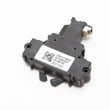
In a GE dishwasher like model GDT605PGM5BB, the most commonly replaced parts are the ones that handle water flow, heating, and door sealing. We typically see wear or failure in spray components, pumps, valves, and door hardware, plus racks and baskets that crack or rust over time.
Most common dishwasher parts that get replaced
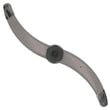
- Spray arms (clogged jets, cracks, poor rotation)
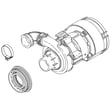
- Circulation pump / wash motor (weak wash pressure, loud grinding)
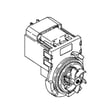
- Drain pump (won’t drain, humming, intermittent draining)
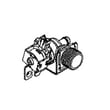
- Water inlet valve (won’t fill, slow fill, overfilling symptoms)
- Heating element (poor drying, water not heating)
- Door latch and door switch (won’t start, stops mid-cycle)
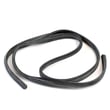
- Door gasket / bottom door seal (leaks at the front)
Quick symptom-to-part guide
| Symptom | Most likely part area | What to check first |
|---|---|---|
| Not cleaning well | Spray arms, circulation pump, filter area | Clean filter and spray arm holes |
| Not draining | Drain pump, drain hose, air gap/disposal inlet | Clear hose path and sink/disposal connection |
| Leaking at door | Door gasket, bottom seal, latch alignment | Inspect gasket for tears and debris |
| Won’t start | Door latch/switch, control, user interface | Confirm door fully latches; try a reset |
| Not drying | Heating element, vent, rinse aid system | Use rinse aid; verify heated dry setting |
Why these parts fail most often
Dishwashers run in a harsh environment: hot water, detergent, food soil, and vibration. That combination leads to clogs (filters, spray arms, drain path), seal wear (gaskets), and electrical wear (latches, switches, controls). Regular cleaning reduces strain on the circulation and drain systems.
Helpful troubleshooting resources
- Use GE electronic dishwasher error codes to match a displayed code to likely failed components and checks.
- Use GE dishwasher error codes if your model uses a different style of GE code display.
Last updated: February 2026
How do I clear the error code on my GE dishwasher?
On the GE GDT605PGM5BB dishwasher, we clear most error codes by resetting the control: either press and hold Start/Reset (or Cancel) for about 3 to 5 seconds, or shut off power at the breaker for 5 to 10 minutes. If the code returns, it is reporting a real problem (drain, fill, heat, or a sensor issue) that needs troubleshooting.
Quick ways to clear the code
- Cancel/Reset method: Press and hold Start/Reset (or Cancel) for 3 to 5 seconds; many models will drain and end the cycle.
- Hard reset method: Turn the dishwasher OFF at the circuit breaker for 5 to 10 minutes, then restore power.
- After reset: Start a short cycle and watch for the code to reappear.
What to check if the code comes back
If the error returns right away or mid-cycle, focus on the system the code points to:
- Drain problems: Check the filter area for debris, confirm the drain hose is not kinked, and verify the sink/disposer connection is clear.
- Fill problems: Confirm the water supply valve is fully open and the inlet hose is not kinked.
- Heating/drying problems: Use a heated cycle option and confirm water is getting hot; persistent heat errors often involve the heater circuit or temperature sensing.
- Door/latch issues: Make sure the door closes firmly and nothing is blocking the latch.
- Control lock or mode settings: Make sure Control Lock is off; some settings can look like a “won’t run” condition.
Use the code to pinpoint the fix
Error codes are most useful when you match the exact code to the failure category.
| What you see | What it usually means | Best next step |
|---|---|---|
| Code clears, then returns later | Intermittent condition | Check for loose connections, clogs, or loading issues that come and go |
| Code returns immediately after reset | Active fault | Troubleshoot the specific system (drain, fill, heat, door) |
| Dishwasher won’t start and shows a code | Start-up safety or control issue | Verify door latch, power, and try a hard reset |
Why it matters
Clearing the display does not fix the underlying cause. When the GE GDT605PGM5BB control detects a drain, fill, heating, or sensor problem, the code helps prevent poor cleaning, leaks, or repeated cycle failures.
For code definitions and targeted steps, use our GE electronic dishwasher error codes guide and our GE dishwasher error codes reference.
Last updated: February 2026





