Owner’s manual


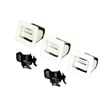
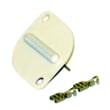
How do I know if my dryer thermostat is bad?
A bad thermostat in your Kenmore 11066912690 dryer usually shows up as no heat, overheating, or very long dry times because the dryer cannot regulate temperature correctly. We confirm it by testing the thermostat for proper continuity with a meter and checking airflow issues that can cause overheating.
Common signs the thermostat is failing
- Dryer runs but produces little or no heat
- Dryer overheats, shuts off mid-cycle, or trips a safety device
- Clothes take much longer than normal to dry
- Heat seems to cycle erratically (hot, then cool for long periods)
- Burning smell or unusually hot cabinet (stop using the dryer and inspect venting)
How we test a dryer thermostat (basic DIY check)
Before testing, unplug the dryer and let it cool.
- Access the thermostat location using the steps in the 11066912690 owner's manual
- Remove at least one wire from the thermostat terminal(s)
- Use a multimeter on continuity or ohms
- At room temperature, many operating thermostats read closed (continuity)
- If it reads open (no continuity) at room temperature, it is typically failed
If you’re new to electrical testing, use how to use a multimeter to test electrical parts video to follow safe meter setup and probe placement.
Thermostat vs. other heat-related parts (quick comparison)
| Symptom | More likely part | Notes |
|---|---|---|
| No heat, dryer still tumbles | Thermal fuse or heating circuit | A blown fuse often points to restricted venting. |
| Overheats, shuts down | Operating thermostat or airflow restriction | Lint buildup and crushed venting can mimic a bad thermostat. |
| Long dry times, normal heat | Airflow/venting, blower wheel | Poor airflow is the most common cause. |
Parts that commonly relate to thermostat symptoms
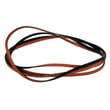
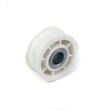
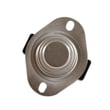
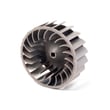
If testing shows a failed component, these are common matches for this model:
Why it matters
A thermostat that does not open and close at the right temperature can cause overheating, repeated shutdowns, and poor drying performance. Just as important, restricted airflow can overheat the dryer and damage thermostats, fuses, and the heating element over time.
Last updated: February 2026
How do I tell what model my Kenmore dryer is?
Your Kenmore dryer’s model number is printed on the model and serial number plate; on model 11066912690, it’s typically located in the door opening area near the lint screen. Once you have the full model number, you can match the correct parts and specifications.
Where to look for the model number
Check these common locations on Kenmore dryers like 11066912690:
- Inside the dryer door opening on the cabinet frame
- On the model and serial number plate near the lint screen opening
- On the back panel of the dryer cabinet
- On the inside of the front panel (visible when the door is open)
What the model number looks like (and why it matters)
Kenmore model numbers are usually a long string of numbers (often starting with 110 on many Kenmore-built-by-Whirlpool dryers). Use the full number exactly as shown, including all digits.
Quick guide
| What you see | What it tells you | What to do next |
|---|---|---|
| A long number like 11066912690 | The exact dryer model | Use it to select diagrams and parts |
| Model and serial plate | Model plus serial (production info) | Record both for service and parts |
Tips to avoid ordering the wrong part
Even one wrong digit can pull up the wrong drum, belt, thermostat, or heating system parts.
- Write the model number exactly as printed (all digits)
- Take a clear photo of the plate before ordering
- Match the model number to the parts list before checkout
- Use the manual to confirm features and control style
Why it matters
The model number ties your dryer to the correct component design, such as the heating circuit, drum support system, and control console layout. That is what ensures parts like a thermal fuse or heating element fit and work correctly.
For model-specific identification details and feature layout, use the 11066912690 owner's manual.
Last updated: February 2026
How to tell if a dryer thermal fuse is bad?
A bad thermal fuse in your Kenmore dryer model 11066912690 typically causes the dryer to stop heating or not run at all. The sure way to confirm it is to unplug the dryer and test the fuse for continuity with a multimeter; a blown fuse reads OL/infinite resistance.
Quick symptoms checklist
- Dryer tumbles but there is no heat
- Dryer won’t start (some builds route motor power through the fuse)
- Cycle ends early or heat cuts out repeatedly
- You recently had poor airflow (clogged vent, packed lint)
- Burning smell or unusually hot cabinet (often airflow-related)
How we test the thermal fuse (simple continuity test)
- Unplug the dryer (electric shock risk).
- Access the thermal fuse (commonly on the blower housing or exhaust duct).
- Pull the wire connectors off the fuse terminals.
- Set your meter to continuity or ohms.
- Touch a probe to each terminal.
Reading the results
| Meter result | What it means | What to do next |
|---|---|---|
| Beep or ~0 to 1 Ω | Fuse is good | Check airflow, thermostat, heater circuit |
| OL / no beep / infinite Ω | Fuse is blown | Replace the fuse and fix the airflow issue |
Parts that commonly relate to a blown fuse on this model
If the fuse is blown, we fix the cause first so it does not blow again.
- Clean lint screen and housing; verify strong airflow at the outside vent
- Inspect the vent run for kinks, crushed flex duct, or heavy lint buildup
- Consider checking heat control parts such as the dryer operating thermostat WP3387134
- Replace the fuse with the correct part for this model: dryer thermal fuse WP3390719
Why it matters
The thermal fuse is a one-time safety device. When it opens, it is telling you the dryer overheated, most often from restricted airflow. Replacing the fuse without correcting venting usually leads to repeat failures and longer dry times.
For access steps and panel removal guidance specific to your Kenmore 11066912690, use the 11066912690 owner's manual.
Last updated: February 2026
Is it worth replacing the heating element in a dryer?
Yes, replacing the heating element is usually worth it on a Kenmore 11066912690 dryer when the machine still tumbles normally and the rest of the dryer is in good condition; the part cost is typically far less than replacing the entire dryer. We also check airflow and heat-safety parts at the same time.
When replacement makes sense
Replacing the heater is a good value when you see these conditions:
- The drum turns, but clothes stay cold or take much longer to dry
- The dryer runs and has normal airflow at the vent, but there is no heat
- The cabinet, drum, and controls are in good shape (no major rust, burning smell, or repeated shutdowns)
- You can complete the repair safely with power disconnected and basic tools
- You plan to keep the dryer for a few more years
Parts to check along with the heating element
A failed heating element can be caused or accompanied by an overheat condition. On this model, we commonly inspect these parts during the same service:
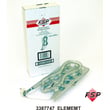
- Dryer heating element WP3387747
- Dryer thermal fuse WP3390719
- Dryer operating thermostat WP3387134
- Venting and lint screen housing (restricted airflow is a top cause of overheating)
Quick cost and decision guide
| Situation | Typical recommendation |
|---|---|
| Dryer tumbles, no heat, vent is clear | Replace heating element and verify thermostats/fuse |
| Thermal fuse is blown | Fix airflow restriction first, then replace fuse and test heat circuit |
| Multiple major issues (motor, drum, controls) | Compare total repair cost vs. replacement |
Why it matters
Your Kenmore Super Capacity Plus dryer uses automatic and timed cycles; when heat output is weak or airflow is restricted, dry times increase and safety devices can open to prevent overheating. Restoring proper heat and airflow helps drying performance and reduces repeat failures.
What we recommend before ordering parts
- Unplug the dryer (or switch off the breaker) before any testing
- Clean the lint screen and confirm strong airflow at the exterior vent hood
- Use a multimeter to test the heating element and safety devices
- Confirm cycle and temperature settings in the 11066912690 owner's manual
Last updated: February 2026
What are signs of a bad dryer heating element?
A failing heating element in our Kenmore dryer model 11066912690 usually shows up as a dryer that tumbles normally but takes much longer to dry or produces little to no heat. You may also notice intermittent heat, a hot or “electrical” odor, or repeated heat-related shutdowns.
Common signs you can spot
- Clothes stay damp at the end of a normal cycle, even with a clean lint screen
- Dryer runs and tumbles, but there is no heat
- Heat comes and goes during the cycle (inconsistent drying)
- A burning smell when heat should be on
- Breaker trips when the dryer is heating (more common on electric models)
- Visible damage on the element coil if you inspect it (breaks, blistering, burn marks)
Quick checks before replacing parts
- Clean airflow first: clean the lint screen and check the vent path for restrictions.
- Confirm the cycle and temperature setting are not set to air/no-heat.
- If you have a multimeter, test the heating circuit components (element, thermal fuse, operating thermostat).
If the element is open (no continuity), replacement is the fix; for this model, the correct part is the dryer heating element WP3387747.
What to test (and what each symptom often points to)
| Symptom | Most likely cause | Also check |
|---|---|---|
| Tumbles, no heat | Heating element open | Thermal fuse, operating thermostat |
| Heats briefly, then no heat | Overheating from poor airflow | Thermal cut-off kit, venting |
| Long dry times, heat seems weak | Restricted venting | Blower wheel, lint screen housing |
| No heat and won’t run (some cases) | Safety device opened | Thermal fuse |
Why it matters
A weak or failed heating element can mimic airflow problems, and restricted venting can also overheat the heater circuit and damage safety fuses. Checking airflow and the heat safety parts together helps prevent repeat failures.
For cycle and temperature setting details specific to this dryer, use the 11066912690 owner's manual.
Last updated: February 2026
What size dryer is a Kenmore 80 series?
Kenmore 80 Series dryers come in more than one drum size; the Kenmore model 11066912690 is a Super Capacity Plus dryer, which is the large-capacity, full-size style (typically about 6.5 to 7.0 cu. ft.). For the exact specs for your unit, use the 11066912690 owner's manual.
What “size” usually means for a dryer
When customers ask about dryer size, it usually refers to one of these:
- Drum capacity (cu. ft.) for load size
- Overall dimensions (width, height, depth)
- Clearances needed for airflow and door swing
- Fuel type (electric vs. gas) for installation planning
- Vent size and length for proper drying performance
Typical capacity ranges you will see in Kenmore 80 Series
Kenmore used the “80 Series” label across multiple builds, so capacity varies by model.
| Dryer type/label | Typical drum capacity | Best for |
|---|---|---|
| Standard-capacity 80 Series | About 5.0 to 6.0 cu. ft. | Everyday mixed loads |
| Super Capacity Plus (like 11066912690) | About 6.5 to 7.0 cu. ft. | Towels, bedding, larger loads |
How to confirm your exact capacity and physical dimensions
Use model-specific documentation and the model tag on the cabinet.
- Match the full model number on the model and serial plate to 11066912690
- Check the specifications section in the 11066912690 owner's manual
- If you are fitting the dryer into an alcove, verify overall dimensions and minimum clearances
- Keep the venting clean; restricted airflow can make any “large” dryer dry like a small one
Why it matters
Capacity affects how much you can dry per cycle and how well items tumble. A Super Capacity Plus drum gives bulky loads more room to move, improving airflow and helping reduce damp spots.
Last updated: February 2026