Owner’s manual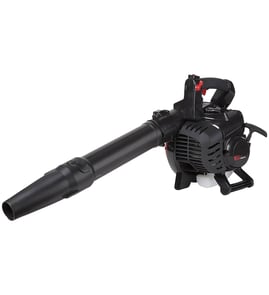




Which brand of gas leaf blower is best?
The “best” gas leaf blower brand depends on how you’ll use it, but Craftsman is a strong choice for homeowners who want solid performance with straightforward maintenance and parts support. For example, the Craftsman 316794991 backpack blower is rated up to 485 CFM and up to 170 MPH, which fits typical residential yard cleanup well (see the owner's manual).
How to pick the best brand for your needs
When comparing brands, we focus on the same practical factors that determine real-world satisfaction.
- Air output (CFM): higher CFM moves more leaves and debris
- Air speed (MPH): higher MPH helps lift wet leaves and heavier debris
- Weight and comfort: backpack harness quality matters for longer jobs
- Starting and tuning: easier starting and stable idle reduce frustration
- Parts availability: filters, spark plugs, fuel system parts, and engine internals
Quick comparison: what matters most
| Best for | What to prioritize | What you’ll notice |
|---|---|---|
| Large yards, long sessions | Backpack fit, weight balance, CFM | Less fatigue, faster cleanup |
| Wet leaves, stubborn debris | MPH and nozzle control | Better lifting and pushing power |
| Occasional use | Easy starting, simple maintenance | Fewer no-start issues after storage |
| Long-term ownership | Parts support and serviceability | Easier repairs, lower downtime |
What we can say about Craftsman 316794991 specifically
This Craftsman backpack blower has published performance specs in the manual, which makes it easier to compare apples to apples.
- Blower air output: up to 485 CFM
- Blower velocity: up to 170 MPH
- Approximate weight (no fuel): 19.5 lb
- Fuel tank capacity: 20 oz (600 ml)
Why it matters
Brand matters less than matching the blower to your workload. If you buy a blower that is underpowered for your yard, you’ll spend more time clearing and put more strain on the engine. If you buy one that is heavier than you can comfortably carry, you’ll avoid using it when you need it.
Last updated: February 2026
Why are gas-powered leaf blowers bad?
Gas-powered leaf blowers can be “bad” mainly because they create exhaust emissions and high noise, and they can kick up dust and debris that irritates lungs and eyes. With the Craftsman 316794991, safe operation and good maintenance (especially the muffler and air filter) reduce these downsides. See the owner's manual for model-specific safety and operating rules.
What people usually mean by “bad”
1) Air quality and exhaust
- Gas engines produce exhaust that can be unpleasant to breathe in close quarters.
- Running rich, a dirty air filter, or poor tune can increase smoke and odor.
- Idling longer than needed increases fumes without doing useful work.
2) Noise
- Gas blowers are loud enough that hearing protection is a must.
- A damaged or carbon-loaded muffler can make noise worse.
- Many areas restrict operating hours; following local ordinances helps avoid complaints.
3) Dust and flying debris
- Blowers can launch grit, sticks, and dust at high speed.
- Dusty conditions can be improved by lightly dampening surfaces when water is available.
- Direct debris away from people, pets, open windows, and vehicles.
What we recommend for the Craftsman 316794991
- Inspect for loose or damaged parts before each use.
- Keep the engine and muffler free of grass, leaves, grease, and carbon buildup.
- Use the lowest throttle that still gets the job done.
- In dusty areas, loosen debris with a rake first, then blow.
- Shut the engine off and disconnect the spark plug before maintenance or repair.
Quick impact comparison
| Concern | What causes it | What helps most |
|---|---|---|
| Exhaust smell/smoke | Engine running, poor maintenance | Clean air intake/filter, avoid unnecessary idling |
| Noise | Engine speed, muffler condition | Hearing protection, maintain muffler, lower throttle |
| Dust/debris | Dry surfaces, aiming technique | Dampening, correct nozzle aim, PPE |
Why it matters
Reducing noise, exhaust exposure, and airborne debris protects your hearing and lungs, helps you work more comfortably, and lowers the chance of injury or property damage during cleanup.
Last updated: February 2026
What is the life expectancy of a gas leaf blower?
A gas leaf blower lasts 8 to 10 years with normal homeowner use and consistent maintenance. For your Craftsman 316794991 2-cycle backpack blower, using the correct fuel mix and following the maintenance schedule in the 316794991 owner's manual delivers the longest service life.
Typical lifespan by use type
Gas blowers wear faster than electric models because of heat, vibration, and fuel-system deposits.
| Use pattern | Typical life expectancy | What usually ends it first |
|---|---|---|
| Occasional homeowner use | 10 years | Old fuel deposits, neglected air filter |
| Regular seasonal use | 8 to 10 years | Carburetor issues, compression loss |
| Heavy use | 5 to 7 years | Engine wear, overheating, vibration damage |
Maintenance that extends life the most
These steps prevent the most common early failures (hard starting, low power, stalling):
- Use fresh, properly mixed 2-cycle fuel; drain the tank for storage.
- Keep the air filter clean so the engine breathes correctly.
- Avoid overheating; keep cooling areas clear of debris.
- Check for loose fasteners and air leaks that cause lean running.
- Follow the scheduled checks and adjustments listed in the manual.
Parts that commonly affect longevity
When a 2-cycle engine starts losing power or gets harder to start, internal wear can be involved.
- Piston ring 525493601 (helps maintain compression and power)
Why it matters
Most “worn out” gas blowers fail from fuel-related problems or loss of compression. Staying on top of fuel handling and routine maintenance keeps performance strong and prevents expensive engine damage.
Last updated: February 2026
Are gas leaf blowers being phased out?
Yes. Gas leaf blowers are being phased out in some areas through local noise and air-quality rules, and the restrictions vary by city and state. Your Craftsman model 316794991 is still serviceable; keep it running safely by following the maintenance and operating guidance in the owner's manual.
What “phased out” usually means
Most phase-outs focus on new sales, commercial use, or use during certain hours, not an immediate ban on owning a gas blower.
Common policy types include:
- Limits on when gas blowers can be used (time-of-day or seasonal rules)
- Restrictions on commercial landscaping use first, then residential later
- Sales bans on new gas-powered handheld equipment (existing units can often still be used)
- Noise limits (decibel caps) that effectively restrict gas blowers
How this affects your Craftsman 316794991
If your area tightens rules, the practical impact is usually about where and when you can operate it, not whether you can repair it.
We recommend:
- Check city and county ordinances for your address (rules can differ)
- Keep the blower in top tune to reduce smoke and noise
- Follow safe operation practices (eye and hearing protection, direct debris away from people and windows)
Maintenance that matters most (to keep it reliable)
A well-running 2-cycle blower is less likely to smoke, surge, or stall.
Focus on:
- Use fresh, properly mixed 2-cycle fuel and do not store mixed fuel long-term
- Keep the engine and muffler area free of leaves, grass, and carbon buildup
- Inspect fasteners and housings; tighten or replace worn hardware as needed
- If compression is low or power drops, inspect internal wear; the piston ring 525493601 is a common wear item
Quick spec reference (from the manual)
| Spec | What to expect |
|---|---|
| Fuel tank capacity | 20 oz (600 ml) |
| Blower velocity | Up to 170 mph |
| Air output | Up to 485 cfm |
| Approx. weight (no fuel) | 19.5 lb |
Why it matters
Phase-outs are usually driven by noise and emissions concerns. Keeping your Craftsman 316794991 properly maintained helps it run cleaner, start easier, and perform better while you follow any local operating rules.
Last updated: February 2026