Owner’s manual
 Error Codes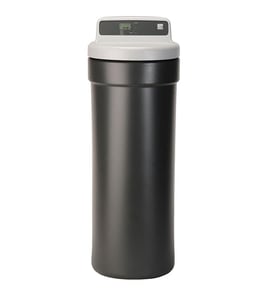





Is it worth repairing a water softener?
Yes, it’s usually worth repairing a Kenmore water softener model 625388160 when the problem is limited to common service parts (valve seals, venturi, motor, switch) and the unit is otherwise in good condition. Replacement makes more sense when the resin bed or tank is failing, or when repair cost approaches half the price of a comparable new softener.
Quick decision checklist
- Repair if you have no soft water, but the unit still powers on and can regenerate
- Repair if you see leaks at the valve area that point to worn seals or gaskets
- Repair if the unit is stuck in regeneration or makes clicking noises (often motor or switch related)
- Replace if the resin tank is compromised or the resin is exhausted and the unit is very old
- Replace if you have repeated failures in multiple areas within a short time
Common repairs for model 625388160 (and what they typically fix)
| Symptom | Likely area | Example part for this model |
|---|---|---|
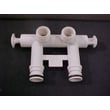
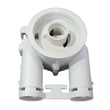
| No soft water, poor brine draw | Nozzle/venturi clogged or worn | Water softener nozzle and venturi with gasket 7187772 |
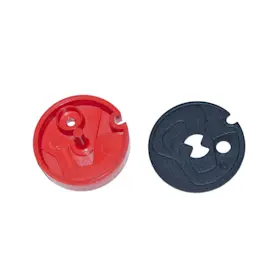
| Leaks at valve, internal bypassing | Valve seals worn | Kenmore water softener seal kit 7129716 |
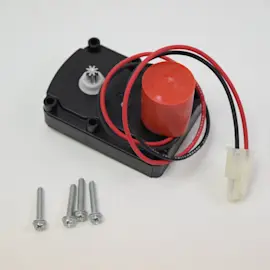
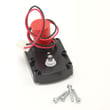
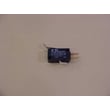
| Stuck cycle, grinding/clicking | Drive motor or position sensing | Motor 7286039 or waterworks water softener rotor position switch 7030713 |
| Low flow through softener | Screen/plug restriction | Water softener filter screen or flow plug (match by diagram) |
Why it matters
A working softener protects plumbing and water-using appliances (water heater, dishwasher, washer) from scale buildup. When the issue is a serviceable valve component, repairing often restores performance quickly and keeps salt and water use predictable.
What we recommend before you decide
- Confirm the softener is programmed correctly and has salt, then run a manual regeneration (steps vary by faceplate).
- Check for a salt bridge and clean the brine area if needed.
- Use the troubleshooting and repair sections in the 625388160 owner’s manual to narrow the failure to the valve, venturi, or drive system.
- If the unit shows an error, use Kenmore error codes to identify the most likely failed component.
Last updated: January 2026
What water softeners do plumbers recommend?
Plumbers typically recommend water softeners that use proven control valves and have strong parts support, because those units are easier to service and keep running long-term. If you already own a Kenmore 625388160, the best “recommended” choice is keeping it properly programmed, cleaned, and repaired using the procedures in the 625388160 owner's manual.
What plumbers usually look for (and how it applies to Kenmore 625388160)
Plumbers tend to favor units that are straightforward to diagnose, have common wear parts, and can be rebuilt instead of replaced.
- Reliable regeneration control (consistent recharge cycles)
- Easy-to-service valve components (seals, rotor/disc, venturi)
- Readily available replacement parts and clear troubleshooting steps
- Correct sizing for the home’s hardness level and water use
- Proper installation location to prevent freezing and damage
Common “serviceable” parts that influence recommendations
On the Kenmore 625388160, these are the types of parts that commonly determine whether a softener is worth maintaining:
| What’s happening | Common part area | Example part for this model |
|---|---|---|
| Unit stalls during regeneration or won’t advance | Drive motor / position sensing | Motor 7286039 |
| Hard water leakage during service | Valve sealing surfaces | Kenmore water softener seal kit 7129716 |
| Poor brine draw or weak regeneration | Nozzle/venturi and gasket | Water softener nozzle and venturi with gasket 7187772 |
Quick checklist before replacing any water softener
These steps match what plumbers check first because they solve the most common “bad softener” complaints.
- Confirm the timer is programmed correctly (especially recharge time)
- Avoid heavy hot-water use during regeneration so the water heater does not refill with hard water
- Check the salt level and break up any salt bridge
- Clean the nozzle and venturi if brine draw seems weak
- Protect the softener and piping from freezing
Why it matters
A “recommended” water softener is usually one that can be maintained and repaired economically. With the Kenmore 625388160, routine care plus replacing common wear parts (motor, seals, venturi) often restores soft water performance without replacing the entire system.
Last updated: January 2026
What is the life expectancy of a Kenmore water softener?
A Kenmore water softener like model 625388160 lasts 10 to 15 years. Lifespan depends on water hardness, iron, chlorine exposure, and maintenance; keeping salt managed and cleaning the resin bed on schedule keeps performance strong and prevents early valve wear.
Typical lifespan by component
These are the most common wear areas that drive “end of life” symptoms like hard water returning, frequent regenerations, or leaks:
- Resin bed: 10 to 15 years (shorter with iron or heavy chlorine)
- Valve seals and internal wear parts: 7 to 12 years
- Drive motor and position sensing: 8 to 15 years
| Component | What it affects | Common wear-out sign |
|---|---|---|
| Resin bed | Softening capacity | Hard water returns soon after regeneration |
| Seals/rotor/disc | Regeneration sealing | Leaks or constant water to drain |
| Motor/switch | Valve movement | Stuck cycle, clicking, won’t advance |
Maintenance that extends life
The 625388160 design relies on routine salt checks and periodic care, especially if your water has iron.
- Keep salt in the storage tank; avoid overfilling in humid areas to reduce salt bridging.
- Check salt level regularly and refill before it gets too low.
- If your water has iron, clean the resin bed at least every 6 months (more often if iron shows up in soft water).
- Protect the softener from freezing; drain it if installed where it can freeze.
For model-specific procedures and settings, follow the 625388160 owner’s manual.
Repair-first parts that commonly restore performance
If the unit is within the typical lifespan, these repairs often fix “no soft water” or leaking complaints:
- Kenmore water softener seal kit 7129716 (leaks, poor sealing)
- Water softener nozzle and venturi with gasket 7187772 (weak brine draw)
- Motor 7286039 (won’t advance through regeneration)
Why it matters
A worn softener wastes salt and water while still letting hardness through. Staying on top of salt level, resin cleaning, and valve wear helps protect plumbing, water heaters, and appliances.
Last updated: January 2026