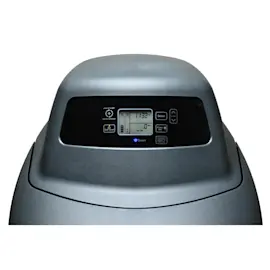
Owner’s manual
 Error Codes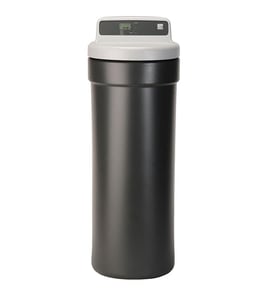




What water softeners do plumbers recommend?
Plumbers typically recommend salt-based, ion-exchange water softeners with a proven control valve, easy-to-source replacement parts, and demand-initiated (metered) regeneration. If you already own the Kenmore 625393060, keeping it properly set up and maintained delivers the same core performance plumbers look for; use the 625393060 owner's manual to confirm your hardness, iron limits, and settings.
What plumbers prioritize (and what to look for)
- Correct sizing for your household water use and hardness (grains per gallon)
- Metered regeneration (regenerates based on water use, not just a timer)
- Serviceable valve design with common wear parts available
- Stable power and controls (this model uses a 24-volt transformer system)
- Proper installation location: after the meter or pressure tank, before the water heater
- Drain access for regeneration discharge (floor drain, standpipe, laundry tub)
How this applies to Kenmore 625393060
Your Kenmore 625393060 is designed to remove hardness minerals and some clear-water iron (within the limits listed in the specifications section of the manual). Installation basics that matter most:
- Install before the water heater; water through the softener must stay under 120°F (49°C).
- Keep outside faucets on hard water to save salt and capacity.
- Protect the unit and piping from freezing.
- Always use the included bypass valve (or a 3-valve bypass) so you can service the softener without shutting off house water.
Quick comparison: what “recommended” usually means
| Feature plumbers want | Why it matters | What to check on 625393060 |
|---|---|---|
| Metered regeneration | Uses less salt and water | Confirm programming in the manual |
| Reliable valve drive | Prevents stuck cycles and no-soft-water complaints | Valve motor operation and cycle movement |
| Clean venturi/nozzle | Ensures strong brine draw | Inspect and clean venturi/nozzle parts |
| Good sealing surfaces | Prevents internal bypass and leaks | Replace seals if leaking or not softening |
Common maintenance items that keep performance “plumber-approved”
If soft water quality drops or regeneration seems weak, these model-matched parts are common fixes:
- Water softener nozzle and venturi with gasket 7187772 (brine draw performance)
- Kenmore water softener seal kit 7129716 (internal sealing, leakage, bypassing)
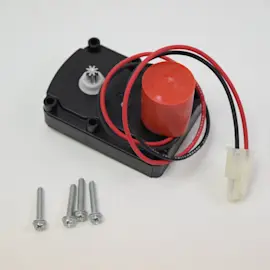
- Kenmore water softener valve motor 7286039 (valve movement during cycles)
Why it matters
Most “bad softener” complaints come from incorrect hardness settings, poor installation placement (especially relative to the water heater), or valve and venturi wear. When those are right, a salt-based ion-exchange softener like the Kenmore 625393060 delivers the hardness reduction plumbers expect.
Last updated: February 2026
Is it worth repairing a water softener?
Yes, repairing a Kenmore 625393060 water softener is worth it when the problem is in common service parts (like the nozzle and venturi, seals, or valve drive) and the unit is otherwise in good condition; those repairs typically restore soft water for far less than replacement.
Quick decision checklist (repair vs. replace)
Repair is the better choice when you have:
- Hard water caused by a dirty or plugged nozzle and venturi (a common, fixable issue)
- A brine or drain problem tied to a restriction (screen, venturi, drain hose)
- A valve that needs new seals or internal wear parts
- A motor or control issue where the rest of the softener is solid
Replacement is the better choice when you have:
- Repeated failures across multiple systems (valve, electronics, resin performance)
- Persistent leaking from the valve body or tank area after seal and rotor service
- Resin bed problems that keep returning even after correct settings and cleaning
What we check first on model 625393060
The manual’s troubleshooting checklist points to a few high-impact items that often solve “no soft water” without major work:
- Confirm there is salt and no salt bridge
- Verify the unit is not in bypass
- Check for a dirty, plugged, or damaged nozzle and venturi
- Check for a restricted drain line
- Review any displayed error codes and settings
For the exact steps and the built-in troubleshooting table, use the owner's manual.
Common repairs and the parts that usually fix them
| Symptom | Most common cause | Part that often helps |
|---|---|---|
| No soft water | Plugged nozzle and venturi | Water softener nozzle and venturi with gasket 7187772 |
| Brine tank issues or poor draw | Venturi gasket leak or restriction | Water softener venturi gasket 7204362 |
| Valve won’t advance or stalls | Worn drive motor | Kenmore water softener valve motor 7286039 |
| Leaks or internal bypassing | Worn seals | Kenmore water softener seal kit 7129716 |
Why it matters
A softener that is regenerating but not drawing brine (often due to a dirty nozzle and venturi) can leave you with hard water and can also cause you to use more salt and water than necessary. Fixing the root cause restores performance and keeps regeneration working as designed.
Last updated: February 2026
What is the life expectancy of a Kenmore water softener?
A Kenmore water softener typically lasts 10 to 15 years. For Kenmore model 625393060, lifespan depends most on incoming water conditions (hardness, iron, chlorine) and routine care like keeping salt in the brine tank and cleaning the venturi/nozzle. See the owner's manual for model-specific care and specs.
Typical lifespan and what affects it
Most residential ion-exchange water softeners reach the end of their useful life when the resin bed loses capacity or the valve components wear.
Common factors that shorten life:
- High hardness or high water usage (more frequent regeneration)
- Iron in the water (fouls resin and valve passages)
- Chlorine exposure (can degrade resin over time)
- Poor maintenance (salt bridging, dirty venturi/nozzle, neglected cleaning)
- Power interruptions that leave the timer/settings incorrect
Signs it is nearing replacement (or needs a major repair)
Use these symptoms to decide whether you are looking at maintenance, a repair, or a full replacement:
- Hard water returns soon after regeneration
- Frequent regenerations with little improvement
- Noticeable pressure drop through the softener
- Unit gets “stuck” in a cycle or keeps running the motor
- Persistent leaking at the valve area or fittings
Quick check: maintenance vs. parts failure
| What you notice | Most common cause | What to check first |
|---|---|---|
| No soft water | Settings, salt issue, clogged venturi | Salt level, brine draw, clean venturi/nozzle |
| Low flow/pressure | Plugged screen/venturi, valve wear | Screen and venturi, then seals/rotor |
| Motor runs but no movement | Drive/motor issue | Valve motor operation and gear engagement |
Model 625393060 parts that commonly extend service life
When performance problems are tied to the valve and brine system, these parts are frequent fixes:
- Water softener nozzle and venturi with gasket 7187772 (brine draw and regeneration performance)
- Kenmore water softener seal kit 7129716 (internal sealing to prevent bypassing and leaks)
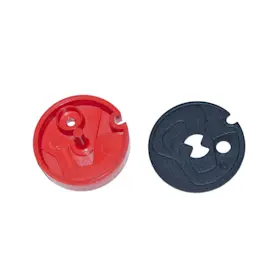
- Kenmore elite water softener rotor and disc 7199232 (valve cycling and flow control)
- Kenmore water softener valve motor 7286039 (drives the valve through cycles)
Why it matters
A softener that is past its typical service life can waste salt and water, regenerate too often, and still allow hardness minerals through. Catching wear early often turns a “replace the unit” situation into a targeted repair.
Last updated: February 2026
How often does a water softener need to be serviced?
For Kenmore water softener model 625393060, we service it on a simple schedule: check salt routinely, clean key areas as needed, and do a deeper brine-tank cleanout every few years. Most performance issues show up first as salt problems, venturi clogs, or valve wear; the owner's manual covers the maintenance basics.
Recommended service schedule (what we do)
- Every 4 to 6 weeks: Check salt level and break up any crusting or “bridging.”
- Monthly (especially in humidity): Inspect the brine tank and brinewell for hardening; correct it early.
- As needed: Clean the nozzle and venturi if you notice weak brine draw, salty water, or poor softening.
- Every 2 to 3 years: Clean out the salt storage tank (brine tank) for best performance.
- Any time water feels hard again: Verify settings and run a manual regeneration if appropriate.
What “service” means on this model
Your 625393060 alternates between normal soft water service and regeneration (fill, brining, brine rinse, backwash, fast rinse). It is factory-programmed to regenerate overnight (commonly around 2:00 AM to about 4:20 AM), so maintenance that keeps brine-making and valve movement reliable is what prevents hard-water symptoms.
Quick checks before you schedule a repair
- Confirm the unit is not in bypass and that water is flowing normally.
- Use nugget or pellet water softener salt (avoid rock salt, which can introduce sediment).
- Keep the tank 1/4 to 1/2 full in humid areas to reduce bridging.
- If using potassium chloride (KCl), check for hardening more often and adjust hardness settings as directed in the manual.
- If an error code appears, use Kenmore error codes to identify the likely system area to inspect.
Common maintenance-related parts (when symptoms point to them)
| Symptom | Often involved area | Example part for this model |
|---|---|---|
| No soft water, weak brine draw | Nozzle/venturi clogged or gasket leaking | Water softener nozzle and venturi with gasket 7187772 |
| Leaks at valve, poor sealing | Valve seals worn | Kenmore water softener seal kit 7129716 |
| Unit not advancing through cycles | Valve motor not turning | Kenmore water softener valve motor 7286039 |
Why it matters
Regular service keeps the resin bed regenerating correctly and prevents hard water from refilling your water heater during regeneration hours. It also reduces salt waste and helps avoid valve damage from sediment or salt bridging.
Last updated: February 2026