


Where is the model number on a Craftsman rear tine tiller?
On the Craftsman rear-tine tiller model 917299150, the model number is typically printed on a product ID label located on the tiller frame; the most common spots are the tine shield (tine guard) area or near the engine and fuel tank.
Common places to check
- On the tine shield/tine guard, facing outward
- On the main frame rail near the tines
- Near the engine mounting area
- On or near the fuel tank support area
- On the front of the unit (especially on larger rear-tine designs)
How to find it quickly
- Turn the engine off and let it cool.
- Wipe dirt off the frame and tine guard with a rag.
- Use a flashlight and look for a rectangular sticker or metal tag.
- Write down the full model number and any additional numbers on the label.
What the label usually looks like
| Label type | What you might see | Why it helps |
|---|---|---|
| Sticker (paper/vinyl) | Model and serial numbers | Fastest way to match parts |
| Metal tag/plate | Stamped model/serial | Often easier to read after years of use |
Why it matters
We use the exact model number to match the correct Craftsman tiller parts (like belts, chains, and hardware) because similar-looking rear-tine tillers can use different driveline and tine components.
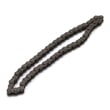
If you are replacing driveline parts, matching the model first helps you avoid ordering the wrong size chain or belt; for example, compare your existing part to listings like the tiller chain, #25-50 532102134 when you are ready to identify the correct replacement.
Last updated: January 2026
What is the back of a tiller called?
On a Craftsman rear-tine tiller like model 917299150, the “back” is typically referred to as the rear tine area (the tine end) and the rear drag stake (also called the depth stake) assembly. This is the working end that digs and helps control tilling depth.
Common names you will hear for the back end
- Rear tine area (or tine end)
- Tines (rear tines)
- Depth stake (drag stake)
- Rear shield (leveling shield on some designs)
- Transmission/tine housing (the gearbox area that drives the tines)
Rear-tine vs front-tine wording (quick comparison)
| Tiller type | Where the tines are | What people often call “the back” |
|---|---|---|
| Rear-tine tiller (like 917299150) | Behind the wheels | The tines and depth stake area |
| Front-tine tiller | In front of the wheels | Often the engine side is “back”; tines are “front” |
Parts on this model that relate to the “back”
If you are trying to identify or replace the part at the back of your 917299150, these are common items in that area:
- Depth stake 532102156 (sets how deep the tines bite)
- Tiller wheel 532102190 (helps support and move the tiller)
- Tiller chain, #25-50 532102134 (transfers drive to the tine system)
- Shields, pins, and retainers that hold adjustments in place
Why it matters
Using the right term helps you match the correct diagram and order the correct Craftsman part. For example, “depth stake” and “rear shield” are different items, but both sit at the tine end and affect how the tiller tracks and how deep it digs.
Last updated: January 2026
What are common tiller problems?
Common problems on the Craftsman 917299150 rear-tine tiller include hard starting, stalling under load, weak tine drive, and poor tilling depth. Most issues trace back to fuel quality, ignition, drive belt or chain wear, or a misadjusted depth stake.
Most common symptoms and what they usually mean
- Won’t start or starts then dies: stale fuel, clogged fuel line/filter, dirty carburetor, fouled spark plug
- Runs rough or surges: partially clogged carburetor, air leak, dirty air filter
- Tines won’t turn or slip: worn or loose drive belt, stretched chain, damaged shear pin (if equipped)
- No reverse or poor shifting: linkage out of adjustment, internal wear in the drive system
- Poor tilling depth: depth stake set too shallow, worn tines, soil too wet/compacted
Quick checks we recommend (fast, no special tools)
- Drain old gas and refill with fresh fuel; clean the tank cap vent if it is plugged.
- Inspect the spark plug; replace if fouled, cracked, or heavily worn.
- Check the drive system for obvious wear or looseness.
- Verify the depth stake position and that it is not bent or binding.
- Clear wrapped weeds, twine, or roots from the tine shaft area.
Parts that commonly affect performance on this model
| Symptom | Part to inspect | What to look for |
|---|---|---|
| Tines slip or stop | V-belt 532132672 | glazing, cracking, stretching, oil contamination |
| Tines bind or drive feels jerky | Tiller chain, #25-50 532102134 | slack, rust, stiff links |
| Won’t hold depth consistently | Depth stake 532102156 | bent stake, worn holes, loose mounting |
Why it matters
A tiller that runs but does not transfer power to the tines can overheat belts, wear sprockets, and make the machine harder to control. Catching belt, chain, and depth-control issues early keeps tilling consistent and prevents bigger drivetrain repairs.
Last updated: January 2026
How often should I change the oil in my tiller?
For the Craftsman 917299150 rear-tine tiller, we change the engine oil after the first few hours on a new or rebuilt engine, then about every 50 hours of use or once per season (at least yearly), whichever comes first. Change it sooner if the oil looks dark or smells burnt.
A simple oil-change schedule
Use this as a practical baseline for most 5-HP class rear-tine tillers:
- New engine or fresh rebuild: change after 5 hours
- Normal homeowner use: every 50 hours or once per season
- Dusty, sandy, or very hot conditions: every 25 hours
- Heavy load work (hard clay, deep tilling): every 25 to 40 hours
- Long storage (end of season): change oil before storage
Quick checks that tell you it is time
If any of these are true, we change the oil now (even if you have not hit the hour mark):
- Oil is black and thin on the dipstick
- Oil smells burnt
- Engine runs hotter than normal or surges under load
- You see metallic shimmer in the oil
- You cannot remember the last oil change
Basic oil-change steps (high level)
- Run the engine 2 to 3 minutes to warm the oil, then shut it off.
- Park on level ground; remove the spark plug wire for safety.
- Drain oil into an approved container; reinstall the drain plug (if equipped).
- Refill to the correct level on the dipstick; do not overfill.
- Run briefly, shut down, then recheck level and look for leaks.
| Use pattern | Recommended interval | Why |
|---|---|---|
| Light seasonal gardening | 50 hours or 1 season | Keeps lubrication stable |
| Dusty or heavy tilling | 25 to 40 hours | Dirt and heat break oil down faster |
| First-time break-in | 5 hours | Flushes early wear particles |
Why it matters
Fresh oil protects the crankshaft, piston, and bearings from heat and wear. On a rear-tine tiller like the 917299150, clean oil also helps the engine hold steady power when the tines load up in hard soil.
If you are also servicing the drive system while you are at it, inspect the v-belt 532132672 for glazing or cracking.
Last updated: January 2026