- Kenmore refrigerator water filters
- Whirlpool refrigerator water filters
- Samsung refrigerator water filters
- GE refrigerator water filters
- LG refrigerator water filters
- Frigidaire refrigerator water filters
- KitchenAid refrigerator water filters
- Maytag refrigerator water filters
- Kenmore Elite refrigerator water filters
- Estate refrigerator water filters
- GE Profile refrigerator water filters
- Amana refrigerator water filters
- Bosch refrigerator water filters
- Dacor refrigerator water filters
- Electrolux refrigerator water filters
Top DIY repair help
View All Repair Categories
Appliances
Lawn & Garden
Power Tools
Home Improvement
Sports & Leisure
Heating & Cooling
Fall garden care: to till or not to till? Here’s how to decide
less than a minute readOct 03Lyle Weischwill
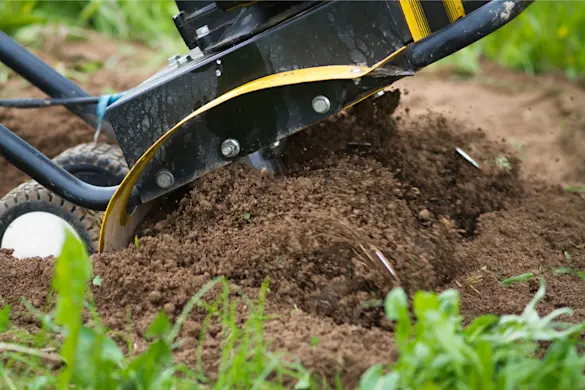
Fall is cleanup season in the garden. As plants finish their cycle and the weather cools down, it’s a natural time to start preparing for next year. For many gardeners, that means reaching for the tiller.
Tilling has been a go-to fall task for generations. It loosens compacted soil, mixes in organic matter, and helps knock down weeds before winter sets in. But not every garden benefits from fall tilling, and more gardeners are starting to question whether it’s still the best approach.
So should you till your garden in the fall or leave the soil undisturbed? The answer depends on your soil type, your planting plans, and how you want to care for your garden long term. Knowing when fall tilling helps and when it hurts can guide better decisions for soil health and next season’s growth, along with some practical alternatives if tilling isn't the right fit.
What is fall tilling?
Fall tilling means turning over the garden soil in autumn after the growing season ends. It’s typically done with a shovel, hoe, or rototiller to break up the top several inches of soil. This has been a go-to practice for decades, especially in home gardens and small farms.
Traditionally, gardeners till in the fall to loosen compacted soil, which helps improve drainage and gives plant roots room to grow. The freeze-thaw cycles of winter can further aerate the soil after it’s been turned. Fall is also a good time to incorporate compost, manure, or leftover plant debris so those materials have time to break down before spring planting. Tilling can help disrupt weed cycles too, by burying seeds or exposing overwintering pests to the elements. And with the soil already worked and amended, some gardeners find it easier to get a head start on planting when spring rolls around.
While these are common benefits, they’re not guaranteed. In some cases, fall tilling can do more harm than good depending on your soil type and gardening goals.
Pros of tilling your garden in fall
Fall can be a smart time to till if your soil needs a reset and the conditions are right. Here’s what makes fall tilling potentially beneficial:
Incorporate compost or manure: Tilling allows you to mix in organic matter like compost or aged manure while soil microbes are still active. Over winter, those materials break down and enrich the soil naturally.
Break up compacted soil: If your garden saw heavy foot traffic or you’re dealing with clay-rich soil, fall tilling can help loosen it before it freezes, making it easier to work with in spring.
Expose and destroy weeds or pests: Turning over the soil can bring weed seeds and insect larvae to the surface, where cold weather and predators help eliminate them before next season.
Prep soil early: Tilling in fall gives you a head start on garden prep. You won’t have to wait for soggy spring soil to dry out, which can delay planting.
Just keep in mind, these benefits depend on your timing and technique. Tilling too late, too deep, or when the soil is wet can do more harm than good. Fall tilling is best done when the soil is dry enough to crumble and weather conditions are still mild.
Risks and drawbacks of fall tilling
While fall tilling has its benefits, it also comes with potential downsides, especially if conditions aren't right or the soil is left unprotected afterward.
Soil erosion: Tilled soil is loose and vulnerable. Without mulch or cover crops, wind and rain can strip away topsoil during fall and winter.
Disrupts soil structure: Tilling breaks apart natural soil layers and disturbs beneficial organisms like earthworms and mycorrhizal fungi that support plant health.
Encourages weed growth: Bringing dormant weed seeds to the surface can give them the light and air they need to germinate, especially if the weather stays warm.
Can compact soil: If the soil is too wet or sticky when you till, it can clump and compact more easily once it dries, making things worse for spring planting.
Leaches nutrients: Exposing soil to the elements without protection can lead to nutrient loss as rain washes away nitrogen and other vital minerals.
For many gardeners, these risks outweigh the rewards unless they take steps to protect and rebuild the soil after tilling.
When fall tilling makes sense
Fall tilling can still be a helpful practice when done under the right conditions and for the right reasons. It’s not for every garden, but in certain cases, it can improve soil health and make spring prep easier.
The garden is already cleared: If you’ve harvested all crops and aren’t growing anything overwinter, it’s a good opportunity to work the soil without disturbing active roots.
You want to incorporate organic matter: Tilling in compost, leaf mold, or aged manure in the fall gives microbes time to break it down so nutrients are available by spring.
The soil is dry and crumbly: Timing is key. Tilling wet or frozen soil can cause clumping and long-term compaction. Wait until the soil is dry enough to crumble in your hand.
You’ll follow up with protection: Covering the soil with mulch or planting a cover crop like winter rye helps prevent erosion, suppress weeds, and preserve nutrients over the winter.
You’ve had compaction or drainage problems: Tilling can temporarily relieve compacted areas and help open up space for air and water to flow, especially in heavy clay soils.
Used intentionally and with follow-up care, fall tilling can set the stage for a productive spring.
When to skip fall tilling
Tilling isn’t always the best move. In many cases, skipping it protects soil structure and supports long-term garden health.
You follow a no-till or low-till approach: If your gardening philosophy emphasizes undisturbed soil and natural layering, fall tilling may work against your goals. Letting soil biology do the work preserves microbial life and structure.
Soil is wet, heavy, or erosion-prone: Tilling in these conditions risks compaction and runoff. If your garden tends to stay damp or sits on a slope, disturbing the soil can do more harm than good.
You’re growing cover crops: If you’ve planted rye, clover, or another winter cover, leave the soil undisturbed so those crops can protect and enrich it until spring.
Compost was added earlier in the season: If you’ve already worked in organic matter during summer or early fall, there may be no need to till again.
Overwintering crops are in the ground: Garlic, kale, and other cold-hardy vegetables don’t mix well with tilling. Their roots need stability, and disturbing the soil can reduce winter survival.
Skipping fall tilling doesn’t mean skipping fall prep. With mulch, cover crops, and good cleanup, you can still get your soil ready for next season.
Fall garden prep alternatives to tilling
If tilling doesn’t suit your garden or your goals, there are plenty of other ways to get your soil ready for next season without disturbing its natural structure.
Layer compost or mulch: Instead of mixing organic matter into the soil, let it rest on top. Over time, microbes and earthworms will incorporate it naturally while protecting the surface from erosion and temperature swings.
Plant cover crops: Sow hardy varieties like winter rye, clover, or hairy vetch to shield bare soil from wind and rain. These crops help suppress weeds, improve structure, and add nutrients when turned in or cut back in spring.
Gently loosen compacted spots: Use a garden fork to aerate tight areas by wiggling it into the ground and rocking gently. This improves drainage without flipping soil layers.
Leave old roots in place: After harvesting, cut plants off at the base and let their root systems decompose in the ground. This supports microbial life and keeps soil ecosystems intact.
Tips for safe, effective fall tilling (if you choose to do it)
If you decide tilling is the right choice for your garden, a few precautions can help maximize the benefits while minimizing potential harm.
Wait for a dry day when soil is crumbly, not muddy or sticky.
Remove weeds, roots, and leftover plant debris before starting.
Work in 2 to 3 inches of compost, leaf mold, or other amendments to enrich the soil.
Till only as deep as needed to loosen the top layer; overworking can damage structure.
Cover freshly tilled soil with mulch or a cover crop to protect it through winter.
Done carefully, fall tilling can support a healthy soil routine and strong spring growth.
Fall tilling isn’t one-size-fits-all. It can offer real advantages, but it also comes with trade-offs that depend on your soil, climate, and gardening approach. Evaluating your goals and the condition of your garden helps you choose what’s best, whether that means tilling, mulching, planting cover crops, or leaving things undisturbed until spring.
No matter your method, the goal is the same: to build healthier, more productive soil for the season ahead. For help maintaining your equipment, check out DIY tiller repair help, and find more lawn and garden parts to support your fall prep and beyond.