Owner’s manual



What is the most common problem with whirlpool washers?
The most common Whirlpool washer problems are not draining/spinning, leaking, and loud or shaking operation. On the Whirlpool WTW7800XW0, these symptoms usually trace back to a drain restriction or pump issue, an out-of-balance load or worn suspension, or a lid lock problem that prevents spin; use the WTW7800XW0 owner's manual to match symptoms to the correct checks.
Most common issues and what to check first
- Won’t drain or won’t spin: confirm the drain hose is not kinked, the standpipe is not clogged, and the tub is not overloaded.
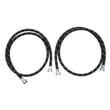
- Leaking: inspect fill hoses and connections, then check for cracks or loose clamps.
- Loud noise, banging, or walking: level the washer and reduce bulky loads; worn suspension can amplify vibration.
- Stops mid-cycle or won’t start: a lid lock that doesn’t latch can stop agitation or spin.
- Poor cleaning: too much detergent, wrong cycle, or overloading can reduce wash action.
Parts that commonly relate to these symptoms (WTW7800XW0)
If basic checks do not fix the problem, these model-matched parts are often involved:
| Symptom | Common cause | Example model-matched part |
|---|---|---|
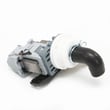
| Won’t drain / water left in tub | Drain pump not moving water | Water pump W10536347 |
| Won’t spin / lid won’t lock | Lid lock not engaging | Washer lid lock WPW10619844 |
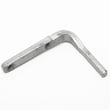
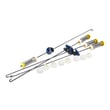
| Excessive vibration / off-balance | Weak suspension rods | Suspension W10247710 |
Why it matters
Drain, spin, and balance problems can turn into bigger issues (wet loads, repeated cycle failures, and extra wear on the drive system). Catching the root cause early helps protect the tub, bearings, and motor components.
Quick safety and troubleshooting tips
- Unplug the washer before inspecting wiring, the pump area, or under the cabinet.
- Turn off water supply valves before removing or tightening fill hoses.
- Test with a small load after any adjustment to confirm the fix.
Last updated: January 2026
Is 4.8 cubic feet a large capacity washer?
Yes. A 4.8 cubic feet washer is considered large capacity, and it is a strong fit for bigger households and bulky items. For your Whirlpool WTW7800XW0 washer, that size typically means fewer loads per week and better room for comforters and towels (use the WTW7800XW0 owner's manual for the exact rated capacity and loading guidance).
What “large capacity” means in practical use
Most top-load washers fall into these common capacity groupings:
| Capacity (cu. ft.) | Common label | Best for |
|---|---|---|
| 3.5 to 4.4 | Standard | 1 to 3 people, everyday loads |
| 4.5 to 5.2 | Large | Families, mixed loads, towels |
| 5.3+ | Extra-large | Very bulky loads, frequent large loads |
How to get the most from a 4.8 cu. ft. washer
To avoid poor cleaning, out-of-balance spinning, or wear on drive components, we recommend:
- Load loosely; keep items below the top rim and avoid packing clothes down.
- Mix item sizes (towels plus smaller items) to help balance during spin.
- Use the correct cycle and water level option for bulky loads.
- Use HE detergent and measure carefully to reduce oversudsing.
- If the washer starts banging or walking, stop and redistribute the load.
Why it matters
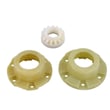
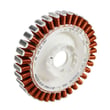
Capacity is not just about “how much fits”; it affects cleaning performance, rinse quality, and how often the washer can spin smoothly at high speed. Overloading can contribute to vibration and premature wear on parts like the suspension W10247710 and the hub W10820039.
Quick signs you are overloading (even in a large-capacity washer)
- Clothes come out with dry spots or detergent residue
- The tub struggles to turn or the cycle pauses repeatedly
- The washer thumps hard during spin
- Loads finish still very wet
Last updated: January 2026
How long should a Whirlpool Cabrio washer last?
A Whirlpool Cabrio-style top-load washer like model WTW7800XW0 typically lasts 10 to 14 years with normal household use. Consistent maintenance and avoiding chronic overloads are the biggest factors that keep the drive system, suspension, and controls running longer; see the WTW7800XW0 owner's manual for care and cleaning guidance.
Typical lifespan and what affects it
Most owners land in the 10 to 14 year range, but real-world life depends on how hard the washer works.
- Loads per week (large families usually wear parts faster)
- Overloading or washing heavy items too often (blankets, rugs)
- Detergent type and amount (too much can cause residue and odors)
- Leveling and floor stability (reduces vibration and out-of-balance stress)
- Routine cleaning (helps prevent buildup that strains draining and spinning)
Common wear items that can shorten life
On Cabrio-style top-load washers, these areas commonly drive “end-of-life” repairs when they wear out.
| Symptom | Often involved system | Example part for WTW7800XW0 |
|---|---|---|
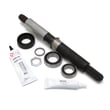
| Loud roaring or grinding in spin | Tub bearing/drive shaft | Whirlpool washer tub bearing and drive shaft kit W10435302 |
| Won’t drain, drains slowly | Drain pump or drain path | Water pump W10536347 |
| Shakes, bangs, walks | Suspension/leveling | Suspension W10247710 |
| Won’t lock or start cycle | Lid lock system | Washer lid lock WPW10619844 |
How to help your washer reach the high end of the range
These habits reduce stress on the motor, washplate, and basket drive.
- Keep the washer level and re-check if it starts vibrating
- Use HE detergent and measure carefully (less is usually better)
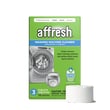
- Run a monthly cleaning cycle (or hot wash with a washer cleaner)
- Leave the lid open between loads to dry out the tub
- Avoid repeated overloads; split bulky loads into two smaller loads
Why it matters
A washer that is overloaded or constantly out of balance wears the suspension, hub, and bearing system faster. Keeping loads reasonable and the cabinet level helps the washer spin smoothly, which is where most long-term wear happens.
Last updated: January 2026