Error Codes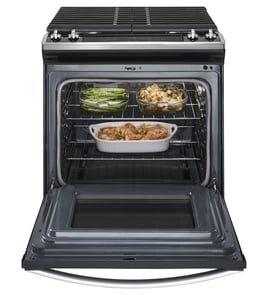





What is a good depth for a 36 inch gas range?
A good depth for a 36-inch gas range like the Viking VGSS36 is typically 27 to 29 inches from the back to the front of the range body (not counting the oven door handle). Plan your cabinetry and ventilation around the installed depth, which often increases once you include the handle and required clearances.
Typical depth ranges to plan for
Most 36-inch professional-style gas ranges fall into these common depth buckets:
- Range body depth: about 27 to 29 inches
- With handle: often 29 to 32 inches total projection
- Counter depth reference: standard counters are about 25 inches deep, so pro ranges usually sit proud of the cabinets
Quick planning table
| What you are measuring | Typical depth | Why it matters |
|---|---|---|
| Range body (no handle) | 27 to 29 in. | Helps you plan cabinet run and side clearances |
| Total projection (with handle) | 29 to 32 in. | Affects aisle space and how far the door/handle sticks out |
| Counter depth (reference) | ~25 in. | Explains why many 36-in pro ranges extend past cabinets |
Vent hood depth and coverage
For a 36-inch gas range, we plan for a hood that:
- Covers the full 36-inch width (or wider)
- Has enough depth to capture front-burner heat and smoke
- Is mounted at the correct height above the cooking surface per the hood’s requirements
A common reason kitchens feel smoky with pro-style ranges is a hood that is too shallow or mounted too high.
Why it matters
Depth planning is not just about “will it fit.” It impacts walkway clearance, door swing, and ventilation performance. If the range projects farther than expected, it can tighten the aisle in front of the oven and reduce how well the hood captures heat and grease.
Related parts that come up during fit and door-clearance issues
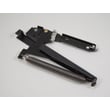
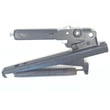
If you are troubleshooting a door that doesn’t close evenly after moving the range or adjusting its position, these model-related parts are commonly involved:
Last updated: February 2026
Does Viking sell parts?
Yes. Viking replacement parts are sold for the VGSS36 gas range, and you can match the exact part to your unit by using the VGSS36 parts list and diagrams. Common replacements include ignition parts, gas valves, knobs, and oven door hardware such as the Viking range range oven door hinge PC020003.
How to get the right Viking part for VGSS36
To avoid ordering the wrong item, we recommend confirming the model and then matching the part by description and identifier.
- Confirm your model number is VGSS36 on the appliance ID label
- Use the parts list to match the part name to your symptom (ignition, temperature control, door issues)
- Match the part ID/part number exactly before ordering
- If a part has left and right versions (common with hinges), replace as a set when possible
- For gas and ignition repairs, shut off gas and power before servicing
Parts customers commonly look for on this model
Here are examples of Viking VGSS36 parts that are often replaced, depending on the problem:
| Symptom | Part type to check | Example part on this model |
|---|---|---|
| Oven door won’t close evenly or drops | Door hinge | Viking range range oven door hinge PC020003 or Viking range range oven door hinge PC020007 |
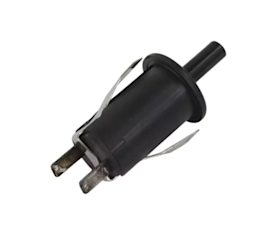
| Burner keeps clicking or won’t spark | Ignition switch | Viking range range surface burner igniter switch PA020011 |
| Oven temperature is hard to set | Control knob | Viking range range oven temperature knob PB010099 |
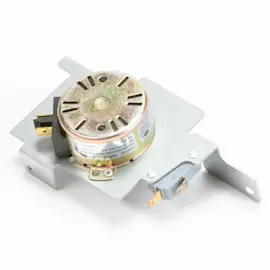
| Oven won’t heat or heats inconsistently | Oven gas valve or thermostat | Viking range oven gas valve PB010084 or Viking range range oven control thermostat PB010035 |
Why it matters
Viking ranges use model-specific components (especially for gas, ignition, and door hardware). Matching the exact VGSS36 part ID helps ensure proper fit, safe operation, and reliable burner and oven performance.
Last updated: February 2026
What is the most reliable gas range brand?
For long-term reliability, we put the most weight on build quality, parts availability, and serviceability. Premium pro-style brands like Viking (including the VGSS36) are built to last, while mainstream brands like GE, Whirlpool, and Frigidaire often score well for easier service and more widely available parts.
How we judge “most reliable”
Reliability is not just fewer breakdowns; it is also how predictable the repairs are and how easy it is to keep the range running for 10 to 20 years.
- Proven burner ignition and gas valve design
- Temperature stability in bake and broil
- Availability of common wear parts (knobs, igniters, hinges)
- Straightforward diagnostics and wiring access
- Local technician familiarity with the brand
Brand reliability: what to expect
Here is a practical way to compare brands shoppers commonly consider.
| Brand tier | Typical strengths | Typical tradeoffs |
|---|---|---|
| Pro-style (Viking, Wolf) | Heavy-duty construction, strong burners, long service life | Repairs can cost more; parts can be model-specific |
| Mainstream (GE, Whirlpool, Frigidaire) | Broad service coverage, common parts, lower repair cost | More feature-driven models can add complexity |
| Value-focused | Lower upfront cost | Shorter average service life; fewer premium components |
Why it matters for your Viking VGSS36
With a Viking VGSS36 gas range, reliability often comes down to maintaining ignition and oven temperature control components. If you are troubleshooting weak ignition, clicking, or uneven oven temps, checking and replacing common wear parts early prevents bigger failures.
Common VGSS36 parts we see replaced include:
- Range surface burner igniter switch PA020011
- Range oven control thermostat PB010035
- Oven gas valve PB010084
- Range oven temperature knob PB010099
Tips to get the best reliability from any gas range
- Keep burner ports and caps clean and seated correctly.
- If igniters keep clicking, address moisture, spills, or a failing switch promptly.
- Avoid slamming the oven door; worn hinges can cause heat leaks and poor baking.
- Use the correct cookware size to reduce overheating of knobs and trim.
Last updated: February 2026
Do they make a 36 inch range?
Yes. Viking and other major brands make 36-inch ranges, and your Viking VGSS36 is a 36-inch class gas range designed to fit a 36-inch range opening (with proper clearances and gas hookup).
What “36-inch range” means
A “36-inch range” refers to the nominal width category. The exact overall width can vary slightly by brand and style, so it’s smart to measure your cutout and confirm fit before ordering parts or planning a replacement.
Typical 36-inch range characteristics
- Wider cooktop for more burners and spacing
- Larger oven capacity than many 30-inch models
- Heavier-duty grates and higher-BTU burners on pro-style units
- Requires a correctly sized cabinet opening and proper ventilation
Quick fit check (what to measure)
Use a tape measure and confirm these before you commit to a new range or built-in changes:
- Cabinet opening width (side-to-side)
- Counter depth and rear clearance for gas line
- Height to countertop and any overhead hood clearance
- Electrical outlet location (even gas ranges need power for ignition)
| Measurement | What you’re checking | Why it matters |
|---|---|---|
| Opening width | Around 36 inches | Prevents binding or gaps |
| Depth | Counter to back wall | Avoids pinched gas line |
| Clearance | Sides, back, overhead | Heat safety and code compliance |
Why it matters
A 36-inch gas range like the Viking VGSS36 gives you more cooking space, but installation is less forgiving than a 30-inch swap. Confirming the opening and clearances first prevents costly cabinet or gas-line rework.
Parts help for your VGSS36
If you’re maintaining your existing range, we stock common VGSS36 replacement parts such as the range oven door hinge PC020003 and range surface burner igniter switch PA020011.
Last updated: February 2026
What is the most reliable 36 inch gas range?
There is no single “most reliable” 36-inch gas range for every kitchen; reliability depends on burner design, ignition system complexity, parts availability, and how quickly issues can be serviced. If you already own a Viking VGSS36, the most reliable path is keeping ignition and gas components maintained and replacing worn parts early.
What “reliable” means for a 36-inch gas range
For pro-style 36-inch ranges, reliability usually comes down to a few systems that see the most wear:
- Ignition system (spark module, igniter switches, wiring, electrode condition)
- Gas control components (gas valve, regulator, thermostat)
- Door hardware (hinges and alignment that affect sealing and heat retention)
- Knobs and user controls (wear, cracking, loose fit)
Practical buying checklist (works for any brand)
When comparing Wolf, BlueStar, KitchenAid, Viking, or similar 36-inch gas ranges, we recommend prioritizing:
- Fewer “extra” electronics if you want simpler long-term ownership
- A strong service footprint in your area (fast access to qualified repair)
- Readily available replacement parts (ignition, valves, thermostats, knobs)
- Heavy-duty door hinges and a solid door seal design
- Burner performance that matches your cooking style (high-BTU vs. simmer control)
Common reliability pain points (and what to look for)
| Area | What fails most often | What to check before buying or when troubleshooting |
|---|---|---|
| Cooktop ignition | Clicking, weak spark, intermittent lighting | Burner caps seated, ports clean, switch not sticking |
| Oven heat control | Temperature swings, no bake/broil | Thermostat operation, gas valve function |
| Door sealing | Heat loss, uneven baking | Hinge wear, door alignment |
If you own a Viking VGSS36: parts that commonly restore dependable operation
For the Viking VGSS36, these are examples of parts we often see tied to day-to-day reliability fixes:
- Replace a worn hinge to correct door sag and sealing issues: range oven door hinge PC020003
- Fix constant clicking or burners that will not spark: range surface burner igniter switch PA020011
- Address oven heat control problems tied to gas delivery: oven gas valve PB010084
Why it matters
A 36-inch gas range is a high-use appliance; small issues like a sticking igniter switch or a sagging door hinge can turn into bigger problems (poor lighting, uneven baking, excess heat loss). Preventive maintenance and timely part replacement usually delivers the best real-world reliability.
Last updated: February 2026