


Where is the model number on a Craftsman rear tine tiller?
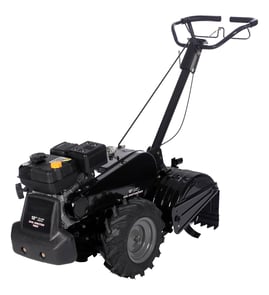
On a Craftsman rear-tine tiller like model 917295554, the model number is printed on a product ID label (sticker or metal tag) attached to the tiller frame. It is most often found near the tine shield/guard area or on the engine area near the fuel tank.
Common places to check first
Look for a rectangular label with the model number and serial number. On the Craftsman 917295554, the label is typically in one of these spots:
- On the tine shield (tine guard) behind or above the tines
- On the main frame rail near the transmission/gearcase
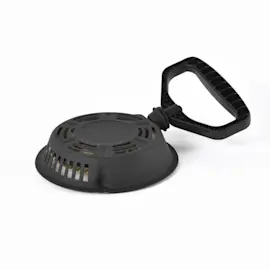
- Near the engine, often close to the fuel tank or recoil starter area
- On the front frame area near the handlebar mount (common on larger rear-tine units)
- Under heavy dirt or oil buildup (wipe the frame clean and use a flashlight)
Quick tips to find it faster
- Clean the suspected area with a rag and mild degreaser; labels are often hidden by soil and oil.
- Use a flashlight at a low angle; embossed tags and faded printing show up better.
- If the label is missing, check for stamped numbers on the frame near the tine guard.
Why the exact model number matters
Craftsman rear-tine tillers can look similar across years, but parts like the clutch cable, chain, and gearcase vary by model. Using the correct model number helps us match the right diagrams and parts for your tiller.
| What you’re looking for | What it’s used for |
|---|---|
| Model number (example: 917295554) | Finds the correct parts diagrams and assemblies |
| Serial number | Helps identify production run details when parts changed |
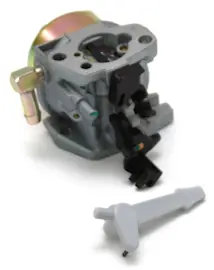
| Engine model/type/code (on Briggs & Stratton tag) | Matches engine parts like ignition and carburetor |
Related parts you may be matching by model
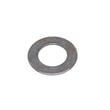
If you are confirming the model number to order drive or tine engagement parts, these are common examples for this model:
Last updated: January 2026
What are the common problems with lawn tillers?
Common problems on the Craftsman 917295554 rear-tine tiller include hard starting or stalling (fuel or ignition issues), tines not engaging (clutch cable or drive problems), and oil leaks or noisy operation (gearcase seals or bearings). Most fixes start with fuel quality, spark, and drive engagement checks.
Most common symptoms and what usually causes them
- Engine will not start or starts then dies: stale fuel, clogged fuel path, fouled spark plug, or ignition failure
- Tines will not turn or slip under load: stretched/misadjusted clutch cable, worn drive chain, damaged pulley/sheave
- Poor tilling performance: incorrect tine depth setting, worn tines, loose hardware, drive slipping
- Oil leaking near the transmission/gearcase: worn seal or damaged shaft surface
- Excess vibration or rattling: loose fasteners, worn bearings, bent rotating parts
Quick checks we recommend (in order)
- Fuel: Drain old gas; refill with fresh fuel (use fuel stabilizer if it will sit).
- Spark: Inspect/clean/replace the spark plug; check for a strong blue spark.
- Controls: Confirm the throttle and choke move freely and fully.
- Tine engagement: With the engine off, check clutch lever travel and cable tension.
- Drive components: Inspect chain condition and tension; look for missing clips/retainers.
Parts that commonly solve “tines won’t engage” complaints
| Symptom | Likely area | Example part for model 917295554 |
|---|---|---|
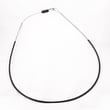
| Tines do not move at all | Clutch control | Tiller clutch cable 532110675 |
| Tines move but slip | Drive chain | Tiller chain, #25-50 532102134 |
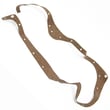
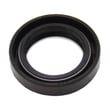
| Oil leak at shaft | Seal | Oil seal 532007393 |
Why it matters
A tiller that is hard to start or has slipping tines usually gets worse quickly; running with a slipping drive or low gearcase oil accelerates wear on chains, bearings, and shafts and can turn a small repair into a major rebuild.
Last updated: January 2026
How often should I change the oil in my tiller?
For the Craftsman 917295554 rear-tine tiller, we change the engine oil after the first few hours of break-in use, then about every 50 hours of operation or once per season (at least yearly). If the oil looks dark, smells burnt, or feels gritty, change it sooner.
A practical oil-change schedule
Use this simple schedule to keep the engine protected during heavy tilling loads.
- New or rebuilt engine: change oil after the first 5 to 10 hours
- Normal homeowner use: change oil every 50 hours or once per season
- Dusty, hot, or heavy soil conditions: change oil every 25 hours
- Long storage (end of season): change oil before storing
Quick checklist before you drain the oil
- Park on level ground and let the engine cool slightly (warm oil drains faster).
- Shut the engine off and disconnect the spark plug wire.
- Clean dirt from around the fill and drain area so debris does not enter the crankcase.
- Check oil level and condition first; low oil can point to a leak or consumption.
What “dirty oil” looks like (and what to do)
| What you see on the dipstick | What it usually means | What we recommend |
|---|---|---|
| Dark brown or black oil | Normal wear and heat | Change oil now |
| Gritty feel between fingers | Dirt contamination | Change oil now; inspect air filter and seals |
| Milky or foamy oil | Moisture contamination | Change oil now; run engine to fully warm after service |
| Strong fuel smell | Fuel dilution | Change oil now; check carburetor and starting habits |
Why it matters
Fresh oil protects the crankshaft, piston, and bearings from heat and abrasion. On a rear-tine tiller like the Craftsman 917295554, the engine works under steady load, so clean oil is one of the easiest ways to prevent hard starting, power loss, and premature engine wear.
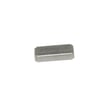
If the engine will not start after maintenance, a sheared flywheel key is a common cause; the briggs & statton key 222698S is one of the ignition-related parts used on this model.
Last updated: January 2026
Are rear tine tillers better?
Yes, rear-tine tillers are better for most heavy-duty jobs because the tines are behind the wheels, which improves traction and control. For the Craftsman 917295554 rear-tine tiller, that design makes it a strong choice for breaking new ground, working rocky soil, and tilling larger garden areas.
When a rear-tine tiller is the better choice
Rear-tine models typically outperform front-tine tillers when the soil is tough or the work area is large.
- Breaks hard-packed soil more effectively
- Handles rocks and roots with less bouncing and “walking”
- Tracks straighter because the wheels pull the machine forward
- Better for deeper tilling and repeated passes
- Less operator fatigue on rough terrain
When a rear-tine tiller is not the best fit
If your garden is small or already loose, a lighter machine can be easier to maneuver and store.
- Tight spaces and narrow rows
- Light cultivation or mixing compost into already-worked soil
- Short, quick jobs where weight becomes a hassle
Quick comparison
| Feature | Rear-tine tiller (like Craftsman 917295554) | Front-tine tiller |
|---|---|---|
| Best for | New ground, rocky/rooted soil, large plots | Small gardens, loose soil |
| Control | Higher | Moderate |
| Typical weight | Heavier | Lighter |
| Typical cost | Higher | Lower |
Why it matters
Choosing the right tine layout affects traction, depth consistency, and how much effort it takes to keep the tiller moving straight. Rear-tine tillers usually deliver more consistent results in challenging soil, which saves time and reduces strain.
Parts that commonly affect performance
If your rear-tine tiller starts slipping, won’t pull well, or the tines do not engage smoothly, these parts are common checks on the Craftsman 917295554:
- Tiller clutch cable 532110675 (engagement and tension)
- Tiller chain, #25-50 532102134 (drive to the tine system)
- Oil seal 532007393 (helps keep gearcase lubrication contained)
Last updated: January 2026