Error Codes


How do I know what element my water heater needs?
For your Whirlpool ES80R123-45D electric water heater, the correct heating element is the one that matches the original element’s voltage and wattage shown on the water heater’s rating label; then you choose the same style and thread type so it seals correctly and heats properly.
What to match first (the non-negotiables)
Check the rating label on the tank (often on the side of the water heater) and match these items:
- Voltage: most residential electric water heaters use 240V elements
- Wattage: commonly 4500W or 5500W (match what the label calls for)
- Element type: screw-in style is most common; match the original
- Element length/shape: match the original so it fits the tank and doesn’t contact internal surfaces
- Terminal style: match the wiring connection style you already have
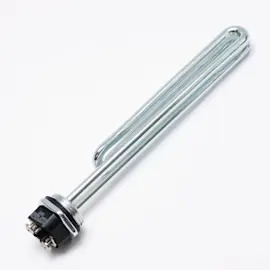
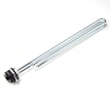
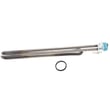
If you’re replacing a failed element on this model, our model-compatible option is the element 100108290.
Choosing the best element for your water conditions
Once voltage and wattage match, you can pick an element that better fits your water quality:
- Hard water: choose a lower watt density element when available to reduce scale buildup
- Frequent element failures: consider checking the anode rod condition and sediment level
- Faster recovery: only use higher wattage if the rating label and wiring support it (most homeowners should stay with the original wattage)
Quick comparison: what you’ll see on the label vs. what you buy
| What you check | Where to find it | What to do with it |
|---|---|---|
| Voltage (ex: 240V) | Rating label | Buy the same voltage element |
| Wattage (ex: 4500W) | Rating label | Buy the same wattage element |
| Style/fit | Old element | Match screw-in type, length, and terminals |
Why it matters
Using the wrong voltage or wattage can cause slow heating, nuisance tripping, or premature failure. Matching the original specs keeps heating performance, electrical load, and safety controls working as designed.
Related troubleshooting help: Whirlpool electric water heater error codes.
Last updated: February 2026
How do I tell if my water heater element is bad?
On a Whirlpool ES80R123-45D electric water heater, a bad heating element usually shows up as no hot water, lukewarm water, or hot water that runs out fast. You can confirm by safely checking for power, then testing the element for continuity and for a short to ground.
Common symptoms of a failed element
- Water never gets fully hot (stays lukewarm)
- Hot water runs out much faster than normal
- Recovery time is unusually long after heavy use
- Circuit breaker trips when the heater tries to heat
- Popping or sizzling sounds from the tank (often from sediment around the element)
Quick checks before you test the element
- Reset and observe: If your unit has a reset/high-limit trip, reset it once and see if the problem returns.
- Check for error information: If your heater displays codes, use Whirlpool electric water heater error codes to interpret what the control is reporting.
- Rule out a control/sensor issue: If temperatures swing wildly or the unit will not heat at all, the thermostat or sensor can be the cause, not just the element.
How we confirm an element is bad (basic meter tests)
Safety first: Turn off the water heater breaker and verify power is off with a non-contact tester or multimeter.
- Continuity test (element burned out): Remove wires from the element terminals and check resistance across the two screws. An “open” reading indicates a failed element.
- Short-to-ground test (element grounded): Check from each terminal to the metal tank/element flange. Any continuity indicates the element is shorted and should be replaced.
Typical multimeter readings (what to expect)
| Element type | Typical resistance range | What “bad” looks like |
|---|---|---|
| 240V element (common) | ~10 to 20 ohms | Open (infinite) or continuity to ground |
Parts that commonly relate to this symptom
If testing points to a failed component, these model-matched parts are commonly involved:
- Element 100108290 (heating element)
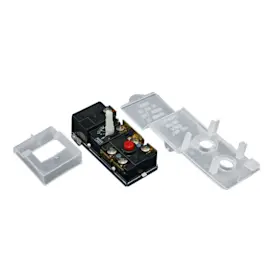
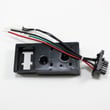
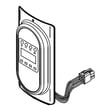
- Water heater electronic thermostat 100309396 (electronic temperature control)
- Water heater high-temperature sensor 100263932 (thermistor/high-temp sensing)
Why it matters
A weak or grounded heating element can cause inconsistent hot water, breaker trips, and higher energy use. Catching it early helps restore normal recovery time and prevents repeated overheating or nuisance shutdowns.
Last updated: February 2026
How much should a 40 gallon electric water heater cost?
A 40-gallon electric water heater typically costs about $400 to $2,000 for the unit, and about $600 to $1,600+ installed, depending on efficiency level, warranty length, and local labor rates. Even though your Whirlpool ES80R123-45D is an 80-gallon model, the same pricing factors apply.
What changes the price the most
- Tank size (40-gallon vs. 50-gallon vs. 80-gallon)
- Energy efficiency (standard vs. high-efficiency features)
- Warranty length (longer warranties usually cost more)
- Electrical and plumbing updates (new shutoff valve, wiring, expansion tank, venting not applicable for electric)
- Local code requirements (permit, seismic strapping, drain pan, discharge piping)
Typical cost ranges (unit vs. installed)
| Item | Typical range | What it includes |
|---|---|---|
| Water heater unit (40-gallon) | $400 to $2,000 | Tank, factory controls, basic fittings |
| Installation labor | $200 to $600 | Remove/replace, basic hookups, testing |
| Total installed (common) | $600 to $1,600+ | Unit + labor; add-ons can push higher |
Add-on costs to plan for
These are common line items that can move the final installed price:
- Permit and inspection fees
- New water shutoff valve or supply lines
- Drain pan and drain line (where required)
- Electrical whip, breaker, or wiring updates
- Replacement of a leaking or stuck drain valve (see drain valve 100109106)
Why it matters
A low quote often assumes a simple swap with no code upgrades. A higher quote often includes safety and reliability items that prevent leaks, nuisance shutdowns, and premature tank corrosion.
If you are comparing repair vs. replace costs, we also see many “no hot water” calls traced to a failed heating element or control; for troubleshooting steps, use Whirlpool electric water heater error codes.
Last updated: February 2026
How to tell if your tankless water heater is clogged?
On the Whirlpool ES80R123-45D electric water heater (a tank-style unit), “clogged” symptoms usually come from sediment in the tank, a restricted drain valve, or scale on a heating element, not a tankless heat exchanger. You’ll notice slow hot-water recovery, popping noises, or weak hot-water flow at multiple fixtures.
Signs that point to sediment or a restriction (tank-style)
- Hot water runs out faster than normal (slow recovery)
- Popping, sizzling, or rumbling while heating (sediment on the tank bottom)
- Hot-water flow is weak at several faucets (plumbing restriction or partially closed valve)
- Water temperature swings from hot to warm during use
- Status lights or fault indications related to heating or sensing; use Whirlpool electric water heater error codes
Quick checks we recommend
- Compare hot vs. cold flow at 2 to 3 fixtures; if only one faucet is weak, the clog is usually at that fixture’s aerator or shutoff.
- Verify valves are fully open on the cold inlet and hot outlet.
- Listen during a heat cycle; rumbling points to sediment buildup.
- Drain a few gallons from the tank; slow draining often indicates sediment at the outlet or a restricted drain valve 100109106.
What the symptom usually means
| What you notice | Most common cause on ES80R123-45D | Typical next step |
|---|---|---|
| Rumbling/popping while heating | Sediment in tank | Drain and flush tank |
| Lukewarm or short hot-water supply | Scale on element or failed element | Test/replace heating element |
| Weak hot flow at many fixtures | Partially closed valve or plumbing restriction | Check valves, then inspect plumbing |
| Temperature swings | Thermostat or sensor issue | Check controls and sensors |
Parts that often solve “clog-like” complaints
- Element 100108290 (slow recovery, lukewarm water)
- Water heater electronic thermostat 100309396 (inconsistent heating)
- Water heater high-temperature sensor 100263932 (temperature sensing problems)
Why it matters
Sediment and scale act like insulation inside a tank water heater; they reduce efficiency, increase recovery time, and can shorten heating element life.
Last updated: February 2026
Is it cheaper to repair or replace a water heater?
For a Whirlpool ES80R123-45D electric water heater, it’s usually cheaper to repair when the tank is sound and the problem is a serviceable part (thermostat, heating element, sensor, drain valve). Replace the water heater when the tank is leaking or the unit is near end-of-life.
Quick decision guide (repair vs replace)
- Repair if you have no tank leak and symptoms point to a failed component (no hot water, slow recovery, temperature swings).
- Replace if water is leaking from the tank body or seams (not from a fitting or valve).
- Repair if the fix is a common part swap such as an element 100108290 or water heater electronic thermostat 100309396.
- Replace if you have repeated failures from heavy scale, chronic overheating, or electrical damage.
- Repair if the unit is relatively new and the rest of the system (wiring, controls, connections) is in good condition.
Typical cost comparison (what you’re paying for)
| Option | What’s included | Best when |
|---|---|---|
| Repair | Diagnosis plus replacing a failed part (thermostat, element, sensor, drain valve) | Tank is good; problem is isolated |
| Replace | New water heater plus installation and disposal | Tank leaks; unit is near end-of-life |
What to check first on ES80R123-45D
- Confirm the leak source: fittings, drain valve, or T&P discharge line can mimic a tank leak.
- Match the symptom to the part:
- No/low hot water: heating element, thermostat, high-temp sensor
- Fluctuating temperature: thermostat or sensor
- Won’t drain or drips at the outlet: drain valve
- Look for error indications on the control; use Whirlpool electric water heater error codes to narrow the failure.
Why it matters
Repairing the right component restores safe, efficient heating at a fraction of replacement cost. Replacing a leaking tank avoids ongoing water damage and repeated service calls.
Last updated: February 2026
What is the average lifespan of an electric hot water heater?
Most electric tank-style water heaters, including the Whirlpool ES80R123-45D, last 10 to 15 years. Lifespan depends mainly on water quality, temperature setting, and maintenance; replacing wear items like the anode rod and heating elements on time helps you reach the upper end of that range.
Typical lifespan by water heater type
| Water heater type | Typical lifespan | Notes |
|---|---|---|
| Electric tank (standard) | 10 to 15 years | Most common in homes; maintenance matters most |
| Electric tank (well-maintained) | 15 years | Regular flushing and anode checks |
| Electric tankless | 20+ years | Different design; periodic descaling is key |
What shortens lifespan fastest
- Hard water and heavy sediment buildup in the tank
- High thermostat setting (more heat stress on elements and tank)
- A depleted anode rod (tank corrosion accelerates)
- Frequent high-demand use (large household, long showers)
- Leaks at fittings or the drain valve that go unaddressed
Maintenance that helps you get the full 10 to 15 years
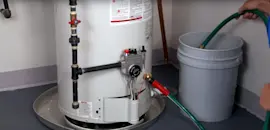
- Flush the tank periodically to reduce sediment
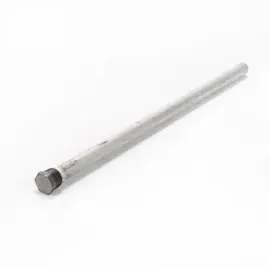
- Inspect and replace the anode rod when it is heavily worn (a common life-extender on tank heaters); see water heater anode rod 100110266
- Replace a failing heating element promptly to avoid overheating and recovery issues; see element 100108290
- Address temperature problems early using Whirlpool electric water heater error codes
Why it matters
A water heater usually fails from tank corrosion or overheating and sediment stress. Simple upkeep (especially the anode rod and sediment control) protects the tank itself, which is the one part you cannot economically “repair” once it starts leaking.
Last updated: February 2026
What is usually the most common water heater problem?
The most common water heater problem is reduced hot water performance caused by sediment buildup in the tank; it insulates the heating element and lowers efficiency. On the Whirlpool ES80R123-45D, the next most common causes are a failed heating element or a temperature control issue.
Quick signs and what they usually mean
- Not enough hot water: sediment buildup, partially failed element, or thermostat/control issue
- No hot water: tripped breaker, failed element, or failed control/thermostat
- Water takes too long to heat: heavy sediment, one element not heating, incorrect temperature setting
- Popping or rumbling sounds: sediment “kettling” on the bottom of the tank
- Water too hot or fluctuating: sensor/thermostat problems or control calibration issues
What to check first (safe, high-impact steps)
- Confirm power at the breaker (electric water heaters commonly use a 240V circuit).
- Look for error information on the control display (if equipped); use Whirlpool electric water heater error codes to match the code to a likely cause.
- Drain a few gallons from the drain valve to see if sediment is present; heavy grit indicates the tank needs a more thorough flush.
- Inspect the access area for signs of overheating at wiring connections (turn power off first).
Common fixes and the parts that often solve them
| Symptom | Most common cause | Part that’s often involved (ES80R123-45D) |
|---|---|---|
| No hot water | Burned-out heating element | Element 100108290 |
| Fluctuating temperature | Sensor reading out of range | Water heater high-temperature sensor 100263932 |
| Temperature control problems | Control/thermostat failure | Water heater electronic thermostat 100309396 |
| Slow recovery, sediment present | Tank needs flushing | Drain valve 100109106 (if the valve leaks or won’t open) |
Why it matters
Sediment and failing heating components make the heater run longer and hotter than necessary, which increases energy use and can shorten the life of key parts like the heating element, sensor, and electronic thermostat.
Last updated: February 2026