Owner’s manual


What is the most common problem with the Samsung washing machine?
For the Samsung WF36J4000AW washer, one of the most common service issues we see is a fill or water-level sensing problem: the washer may not fill correctly, may stop mid-cycle, or may show a water-related error because the machine cannot confirm proper water pressure or water level.
Quick checks first (no tools)
Start with the basics because many “sensor” complaints are actually water supply or airflow issues at the inlet.
- Confirm both hot and cold supply valves are fully open.
- Check inlet hoses for kinks, crushing, or freezing.
- Clean the small inlet screen filters where the hoses connect to the washer.
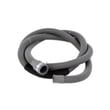
- Make sure the drain hose is not shoved too far down the standpipe (can cause siphoning and odd fill behavior).
- Power reset: unplug for 2 minutes, then retry a normal cycle.
What symptoms usually point to a water-level or fill issue?
These are the most common customer-reported signs on Samsung front-load washers like WF36J4000AW:
| What you notice | What it often means | What to check first |
|---|---|---|
| Won’t fill or fills very slowly | Restricted water flow | Valves, hose kinks, inlet screens |
| Overfills or level seems wrong | Water-level sensing problem | Pressure hose (air dome hose), wiring, control logic |
| Stops mid-cycle with a water-related code | Fill not detected in time | Water pressure, inlet valve function |
| Fills then drains right away | Siphoning or drain setup issue | Drain hose height and insertion depth |
When it is likely a part failure
If water pressure is good and the inlet screens are clean, the issue is more likely in one of these areas:
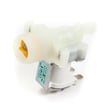
- Water inlet valve (sticking, clogged internally, or electrically failing)
- Water-level pressure system (pressure hose loose, pinched, or leaking)
- Wiring connection to the sensor/valve
- Main control board (less common, but possible)
For model-specific operating details and error code meanings, use the WF36J4000AW manual. For code-driven troubleshooting steps, we also recommend the Samsung front load washer error codes guide.
Why it matters
A washer that cannot accurately sense water level can under-wash clothes, overfill and leak, or stop mid-cycle. Catching a simple restriction (like clogged inlet screens) early can prevent unnecessary part replacement.
Last updated: January 2026
What is the lifespan of a Samsung front load washer?
A Samsung front load washer like model WF36J4000AW typically lasts 10 to 15 years with normal household use. Consistent maintenance (especially keeping the door boot and drain system clean) is the biggest factor in reaching the high end of that range; see the care guidance in the WF36J4000AW manual.
What affects washer lifespan the most
- Overloading (stresses the tub bearings, shocks, and motor)
- Detergent choice and amount (too much HE detergent can cause oversudsing and residue)
- Moisture left in the door boot (leads to odor, mildew, and seal wear)
- Drain restrictions (coins, lint, and debris strain the drain pump)
- Installation factors (unlevel washer increases vibration and wear)
Maintenance habits that help you reach 10 to 15 years
- Run a monthly tub-clean cycle or cleaning routine recommended for WF36J4000AW.
- Wipe the door glass and door boot after the last load of the day.
- Leave the door slightly open between loads to dry the drum.
- Check pockets to reduce debris in the drain pump filter.
- Use HE detergent and measure carefully.
Quick lifespan guide by symptom
| What you notice | What it often points to | What to do first |
|---|---|---|
| Loud rumble in spin | Bearing or tub support wear | Stop overloading; check for uneven loads |
| Musty odor | Residue or moisture in boot/drum | Clean boot; improve drying habits |
| Won’t drain or drains slowly | Drain filter/pump restriction | Follow Samsung front load washer nd error code steps |
Why it matters
A front load washer’s most expensive wear items (tub bearings, motor system, and electronic controls) are heavily influenced by vibration, moisture, and drainage. Preventing odor and drain clogs is often the simplest way to extend service life.
Last updated: January 2026
Does a Samsung washer have a filter that needs to be cleaned?
Yes. On the Samsung WF36J4000AW, there is a drain pump filter (coin trap) that should be cleaned periodically to help prevent slow draining, standing water, and drain-related error codes. We recommend following the steps in the WF36J4000AW manual for your exact access location and procedure.
What filter you are cleaning on this model
Most Samsung front-load washers like WF36J4000AW use a drain pump filter that catches lint, hair, and small items (coins, buttons) before they reach the drain pump.
Common signs it needs cleaning:
- Washer will not drain fully or drains slowly
- Water remains in the tub after the cycle
- Musty odor from trapped debris
- Rattling or grinding noise during drain
- Drain-related error codes (model dependent)
How to clean the drain pump filter (safe, typical steps)
- Turn the washer off; unplug it.
- Place a shallow pan and towels at the front of the washer.
- Open the small access area near the lower front (some versions use a small door or panel).
- Drain water first using the small emergency drain hose (if equipped).
- Unscrew the filter cap slowly; remove debris; rinse the filter.
- Reinstall the filter firmly and close the access area.
What to have ready:
- Towels (you will spill some water)
- Shallow pan or tray
- Gloves (optional)
- Small brush for lint and sludge
Quick guidance: how often should it be cleaned?
Cleaning frequency depends on use, but this schedule works well for most homes:
| Usage pattern | Recommended cleaning |
|---|---|
| Heavy use, pets, lots of lint | Every 2 to 4 weeks |
| Average household | Every 1 to 2 months |
| Light use | Every 3 months |
Why it matters
A clogged drain pump filter restricts water flow, which can strain the drain pump, cause incomplete draining, and trigger nuisance stoppages. Keeping the filter clean is one of the simplest ways to improve washer reliability and reduce odors.
Related troubleshooting help
If you are seeing a drain error or the washer will not drain after cleaning the filter, use our Samsung front load washer nd error code guide for next checks (hose, standpipe, pump, and drain path).
Last updated: January 2026