Installation guide
 Owner’s manual
 Error Codes


What is the most common problem with the KitchenAid dishwasher?
For the KitchenAid KDTE704DSS0 dishwasher, the most common problem we see is poor cleaning performance (dishes still dirty) caused by restricted water flow from a dirty filter area, blocked spray arms, or loading that prevents spray-arm rotation. See the troubleshooting section in the KDTE704DSS0 owner's manual.
What to check first (fast, high-impact)
- Spin the spray arms by hand; make sure tall items and the utensil basket are not blocking rotation.
- Clean the filter area regularly; KitchenAid recommends cleaning the upper and lower filters at least monthly.
- Use fresh, high-quality detergent and always use rinse aid for better drying and fewer spots.
- If you have hard water, run a dishwasher cleaner monthly and consider a water softener if hardness is very high.
- Confirm the door fully closes and latches; a door that is not latched can stop the cycle from running normally.
Common symptoms and the most likely causes
| Symptom | Most common cause | What usually fixes it |
|---|---|---|
| Food left on dishes | Filter or spray-arm restriction | Clean filters, clear spray-arm holes, reload to avoid blocking |
| Detergent remains in dispenser | Dispenser blocked by dishes or cycle interruption | Reposition items, restart cycle correctly |
| Water remains in tub | Drain path restriction | Clear drain area, check drain hose routing |
| Not drying well | No rinse aid or heat issue | Add rinse aid; check heating performance |
Parts that are often involved when cleaning issues persist
If basic cleaning and loading changes do not help, these parts are commonly related to wash performance on this model:
- Dishwasher filter cup W10872845 (helps keep debris from recirculating)
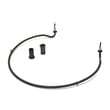
- Element assembly W10703867 (supports water heating and drying)
- Sump/motor a WPW10554963 (drives circulation through the wash system)
Why it matters
Poor cleaning is usually a water-flow problem; when filters clog or spray arms cannot rotate freely, the dishwasher cannot deliver enough spray pressure to remove soil. Fixing the restriction early also helps prevent odors and long cycle times.
Last updated: January 2026
What is the average lifespan of a KitchenAid dishwasher?
A KitchenAid dishwasher typically lasts 10 to 14 years. For your KitchenAid KDTE704DSS0, consistent maintenance (especially filter cleaning and using rinse aid) and correct installation habits help you reach the high end of that range; heavy use and hard water shorten it.
What affects lifespan the most
- Water quality (hard water): mineral buildup stresses the pump, heater, and valves.
- Maintenance routine: a clean filter and sump reduce strain on the circulation system.
- Detergent and rinse aid use: this model family is designed to use rinse aid for better drying and to help control deposits.
- Loading habits: overloading blocks spray arms and increases rewash cycles.
- Installation quality: stable mounting, correct drain routing, and proper water supply reduce leaks and drain issues.
Maintenance that extends life on KDTE704DSS0
Use the care and cleaning guidance in the KDTE704DSS0 user manual.
- Clean the filter area regularly; remove debris before it reaches the drain pump.
- Run hot water at the sink before starting a cycle to improve wash performance.
- Use rinse aid consistently to reduce spotting and hard-water deposits.
- Periodically run a cleaning cycle (dishwasher cleaner or approved citrus-based cleaner).
- Check spray arms for clogs and confirm they spin freely.
Common “end-of-life” symptoms and likely systems involved
| Symptom | Often related to | Example part on this model |
|---|---|---|
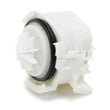
| Not draining, standing water | Drain path or drain pump | Dishwasher drain pump WPW10531320 |
| Poor drying, cool dishes | Heater circuit or settings | Element assembly W10703867 |
| Not filling or fills slowly | Water supply or inlet valve | Dishwasher water inlet valve W11175771 |
Why it matters
Dishwashers in the 10 to 14 year range often fail from wear in high-use components (pump, heater, valve) or from mineral buildup. A simple maintenance routine reduces repeat cycles, lowers stress on the motor and heating system, and helps the KDTE704DSS0 run efficiently for more years.
Last updated: January 2026
Is it worth fixing a KitchenAid dishwasher?
Yes, it’s usually worth fixing a KitchenAid KDTE704DSS0 dishwasher when the problem is a common wear item (latch, drain pump, inlet valve) and the total repair cost stays well below the price of a comparable replacement; it’s less worthwhile when multiple major components are failing or the unit is near end-of-life.
Quick decision checklist
- If the dishwasher is under 8 years old, repairs are typically a good value.
- If it’s 10+ years old and needs a major repair, replacement often makes more sense.
- If the repair estimate is under ~50% of replacement cost, we recommend fixing it.
- If you’ve had repeated breakdowns in the last 12 months, replacement is usually the better investment.
- If the issue is installation-related (door rubbing, not centered), correct installation first using the installation guide.
Common “worth fixing” repairs on KDTE704DSS0
These are frequent, targeted fixes that often restore normal operation without replacing the whole dishwasher:
- Door won’t latch or Start/Resume won’t run: check the dishwasher door latch WPW10653840
- Not draining: inspect the drain path; a failed dishwasher drain pump WPW10531320 is a common cause
- Not filling: a faulty dishwasher water inlet valve W11175771 can prevent proper fill
- Poor drying or water not heating: the heater circuit may involve the element assembly W10703867
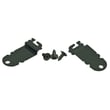
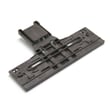
- Rack problems (won’t stay up, won’t adjust): replace the dishwasher dishrack adjuster WPW10546503
Repair vs. replace: simple comparison
| Situation | Usually best choice | Why |
|---|---|---|
| One clear symptom, one part likely | Repair | Lowest cost, fastest turnaround |
| Multiple symptoms across cycles | Replace (often) | Points to broader wear or electrical issues |
| Door alignment or rubbing after install | Repair (adjust) | Often solved by leveling and centering |
| Major electrical or motor system failure | Depends on age | High parts and labor cost |
Why it matters
A dishwasher that pauses, won’t start, or won’t drain can look like a “major failure” but is often caused by a single component or an installation/door-latch issue. The KDTE704DSS0 also has model-specific operating behaviors (like normal pauses during a cycle), so confirming symptoms against the KDTE704DSS0 user manual helps avoid unnecessary part replacement.
Last updated: January 2026