- Kenmore refrigerator water filters
- Whirlpool refrigerator water filters
- Samsung refrigerator water filters
- GE refrigerator water filters
- LG refrigerator water filters
- Frigidaire refrigerator water filters
- KitchenAid refrigerator water filters
- Maytag refrigerator water filters
- Kenmore Elite refrigerator water filters
- Estate refrigerator water filters
- GE Profile refrigerator water filters
- Amana refrigerator water filters
- Bosch refrigerator water filters
- Dacor refrigerator water filters
- Electrolux refrigerator water filters
Top DIY repair help
View All Repair Categories
Appliances
Lawn & Garden
Power Tools
Home Improvement
Sports & Leisure
Heating & Cooling
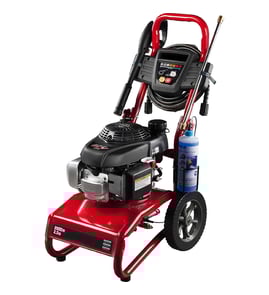
Delta Gas pressure washer Parts — Browse All Models
You depend on your Delta pressure washer for the cleaning power you need for outdoor projects that have to get done. Delta gas pressure washers are sturdy machines that won't let you down. When you need maintenance and repair parts for your Delta pressure washer, you'll be sure to find what you need at Sears PartsDirect.


 Owner’s manual
What to do when the engine won't start on your Delta gas pressure washer
When the engine doesn't start, first make sure the rocker switch that controls the engine is in the On position. Next, check the fuel; the engine won't start if the engine is out of fuel or if the fuel is stale or contaminated with water. Replace the fuel in the gas tank if the fuel is older than 3 months.
Bad fuel can contaminate the carburetor. Clean or replace the carburetor if it's gummed up from using stale fuel.
The engine may also need a good tune-up so it will start easily. A tune-up includes changing the oil, changing the spark plug, replacing the air filter, checking the ignition system and adjusting the throttle and choke controls.
A bad recoil starter can prevent the engine from starting. If the engine doesn't spin when you pull the starter rope, you'll likely need to replace the recoil starter.
Common replacement parts for Delta gas pressure washers
- Unloader valve. When you let go of the trigger on the wand, the unloader valve opens to recirculate pressurized water to the pump, so the water won't overhead and damage the pump. If the unloader valve clogs or won’t open, the thermal release valve opens and sprays steamy water from the pump. Conversely, if the unloader valve won’t close, water pressure to the spray nozzle decreases drastically. If the pressure washer unloader valve isn’t working, replace it.
- Thermal relief valve. The thermal relief valve protects the pump from overheating. If the spray wand is unused for more than 5 minutes while the pump is running, the pressurized water heats up quickly. If the water gets too hot, the thermal relief valve opens to prevent damage to the pump. The thermal relief valve closes once the water temperature is cooler.
- Spray tip. The spray tip connects to the end of the spray wand. The spray tip restricts water flow and creates a spray pattern. An assortment of spray tips is usually provided with the pressure washer.
- Pressure hose. The pressure hose connects the pump to the spray wand. The pressure hose carries the pressurized water safely from the pump to the spray wand.
Parts & More
Air Compressor
Electric Range
Front-Engine Lawn Tractor
Garage Door Opener
Others
Parts
Pressure Washer
Sewing Machine
Sports & Leisure
Tool Storage
Walk-Behind Mower