Owner’s manual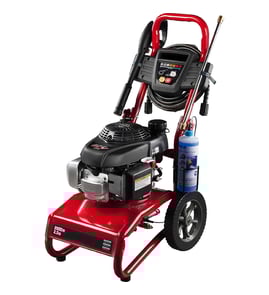

Do you really need a 4000 PSI pressure washer?
Most homeowners do not need 4000 PSI; for typical driveway, patio, siding, and deck cleaning, a mid-range gas pressure washer like the Delta DT2400CS is the safer, more practical choice when you use the right spray pattern and keep distance from the surface. For heavy commercial cleaning, 4000 PSI can make sense.
How to choose the right PSI for the job
We recommend matching pressure to the surface strength and the cleaning goal, not just buying the highest PSI.
- Light-duty (cars, patio furniture, screens): lower pressure, wider fan spray
- Typical residential concrete and brick: moderate pressure with a fan pattern
- Paint prep or delicate wood: lower pressure, more distance, test a small area first
- Oil stains, heavy grime, graffiti, commercial work: higher PSI can reduce time (with more risk)
- Any surface: avoid a concentrated jet unless the surface is very strong (concrete, steel)
What the DT2400CS manual says that affects the PSI decision
The DT2400CS is factory preset for optimum cleaning pressure, and we do not increase pump pressure beyond that setting. The manual also warns to avoid concentrated spray streams except on very strong surfaces and to never run the washer without water flow. See the DT2400CS owner's manual for operating limits, spray-wand settings, and safety guidance.
Quick comparison
| Cleaning need | Typical best approach | Why it matters |
|---|---|---|
| General home cleaning | Moderate PSI, correct nozzle, steady technique | Less surface damage, better control |
| “Faster” cleaning | Add a surface cleaner, use proper fan spray | Speed comes from coverage, not just PSI |
| Stubborn stains | Pre-treat, dwell time, repeat passes | Prevents etching concrete or stripping finishes |
Why it matters
Higher PSI increases the chance of etching concrete, damaging wood fibers, forcing water behind siding, and causing injury. Technique (spray angle, distance, and fan width) usually improves results more than jumping to 4000 PSI.
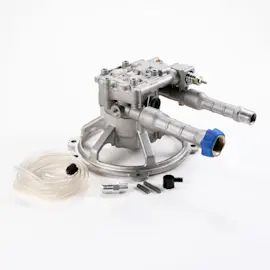
Parts and help for your DT2400CS
If you are troubleshooting low pressure, surging, or pressure that is too aggressive, we use the same model-based parts lookup and DIY resources you see here; you can also search by model number on Sears PartsDirect. For step-by-step repair help, use solving pressure washer problems.
Last updated: February 2026
How to tell if your pressure washer pump is bad?
On a Delta DT2400CS gas pressure washer, a “bad pump” usually shows up as low or surging pressure, water leaking at the pump, unusual grinding noise, or the engine bogging when you squeeze the trigger. Before condemning the pump, rule out a clogged nozzle and low water supply.
Quick checks before you blame the pump
- Confirm you are using cold water only (hot water can damage the pump).
- Make sure the water supply stays ON whenever the engine is running.
- Verify the supply meets typical minimums: at least 20 PSI and 5 GPM.
- Clean the spray tip; a partially clogged nozzle can cause pulsing pressure.
- Do not let the washer sit in bypass (trigger not pressed) for more than 2 minutes; overheated recirculated water can damage internal pump components.
Symptoms that point to pump or pump-control problems
| Symptom | Most likely area | What it usually means |
|---|---|---|
| Low or no pressure with a clean nozzle | Pump or unloader valve | Worn seals/plungers, stuck unloader, leaking check valves |
| Pressure surges or “pulses” | Nozzle restriction or check valves | Clogged tip, debris in valves, air in supply |
| Water leaking from pump head | Pump seals/manifold | Seal wear, cracked housing, loose fittings |
| Engine bogs when trigger is pulled | Pump load/unloader | Unloader not regulating, pump binding, excessive restriction |
| Sudden gush of hot water from pump area | Thermal relief valve | Pump overheated from extended bypass; valve opens to cool the pump |
Why it matters
Running the DT2400CS with poor water flow or extended bypass overheats the pump and can turn a small issue (like a clogged nozzle) into permanent pump damage. Keeping steady water supply and avoiding long trigger-off periods protects the pump and pressure control system.
Helpful DIY resources
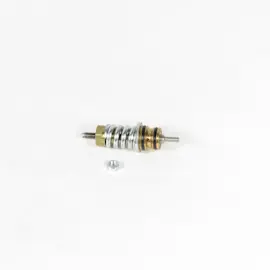
- Use our guide: how to replace a pressure washer unloader valve
- For operating limits and safety notes, follow the DT2400CS owner's manual
- To find model-specific replacement parts by diagram, search by model on Sears PartsDirect
Last updated: February 2026
Is it worth repairing a pressure washer?
Yes, repairing a Delta DT2400CS gas pressure washer is usually worth it when the engine and pump are basically sound and the problem is a wear item (nozzle restriction, leaking seals, unloader issues). A repair also helps prevent pump damage caused by overheating or running without water (both shorten service life).
When repair is the smart choice
We typically recommend repairing when you see symptoms tied to maintenance or common pump controls.
- The engine starts and runs, but pressure pulses or drops (often a clogged nozzle or unloader issue)
- The unit builds pressure but surges when you squeeze the trigger (flow restriction or valve issue)
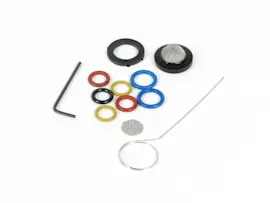
- You have leaks at fittings or the wand (often O-rings, seals, or hose-end issues)
- The washer was stored with detergent in the system and now performs poorly
- The pump overheated because the trigger was not pulled for too long (thermal relief may dump water)
For model-specific operating and maintenance limits (including avoiding running more than about 2 minutes without pulling the trigger), use the DT2400CS owner's manual.
When replacement makes more sense
Replacement is usually the better value when the core components are compromised.
- The pump housing is cracked or the pump has internal scoring from running dry
- The engine has persistent mechanical issues (low compression, severe knocking)
- Repairs require multiple major assemblies at once (pump plus engine plus hose/wand)
Quick decision guide
| What you’re seeing | Most likely category | Typical direction |
|---|---|---|
| Pulsing pressure, nozzle sprays unevenly | Nozzle restriction/flow issue | Repair/clean first |
| Pressure spikes or “sprays too hard” | Unloader/pressure control behavior | Repair/adjust components |
| Engine bogs down under load | Fuel/air/engine tune issue | Repair if engine is otherwise healthy |
| Water supply is weak | Setup issue (not a washer failure) | Fix supply first |
Why it matters
This model’s pump relies on steady water flow; operating without water flow can damage the equipment, and excessive heat buildup can trigger the thermal relief behavior. Fixing the root cause early protects the pump and keeps cleaning performance consistent.
Helpful repair and troubleshooting resources
- Solving pressure washer problems
- Pressure washer engine losing power
- How to replace a pressure washer unloader valve
If you decide to move forward, we recommend starting with the parts list for the Delta DT2400CS on this page; you can also search by model number on Sears PartsDirect.
Last updated: February 2026