Owner’s manual
 Error Codes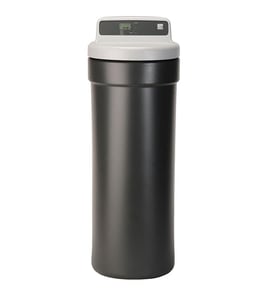




What is the life expectancy of a Kenmore water softener?
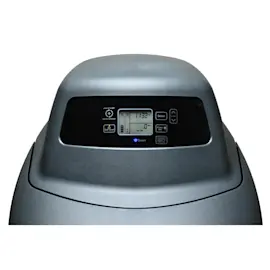
A Kenmore water softener like model 6253484500 typically lasts 10 to 15 years. Regular maintenance (keeping salt clean and preventing iron buildup) helps it reach the high end of that range; neglected units often fail sooner due to valve wear, leaks, or resin problems.
Typical lifespan by component
Some parts wear out earlier than the whole softener, especially in hard water or iron water.
- Control valve seals and rotor parts: commonly wear first and can cause leaks or poor regeneration
- Nozzle/venturi area: can clog and reduce brine draw
- Resin bed: gradually loses capacity, especially with iron or sediment
- Tank and brine drum: usually last the longest (the manual describes a long leak warranty on these)
| Component | Typical service life | What you notice when it’s failing |
|---|---|---|
| Valve seals/rotor | 5 to 10 years | Leaks, constant running water to drain, hard water returns |
| Resin bed | 10 to 15 years | Soft water doesn’t last, frequent regenerations |
| Tank/brine drum | 10+ years | Visible leaks, cracking, water around unit |
Maintenance that extends life
We recommend following the care and cleaning guidance in the 6253484500 owner’s manual.
- Use the right salt and keep the brinewell cover in place
- Avoid letting the salt tank run empty for long periods
- Break up salt bridging and remove salt mush when it forms
- If you have iron in your water, clean the resin bed on a regular schedule
- Protect the softener from freezing (freeze damage can crack parts and cause leaks)
Parts that commonly restore performance
If the softener is otherwise in good shape, replacing worn valve components often restores normal operation.
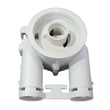
- Kenmore water softener seal kit 7129716 (common fix for internal valve leaks and bypassing)
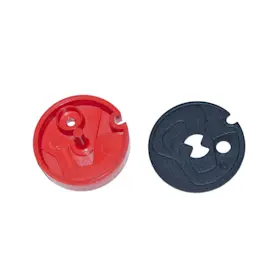
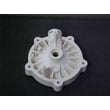
- Replacement rotor 7199232 (helps when the valve is not sealing or indexing correctly)
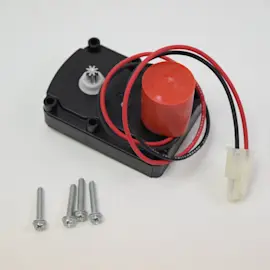
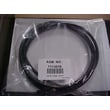
- Waterworks water softener rotor position switch 7030713 (helps when the unit stalls or won’t advance)
Why it matters
A softener near the end of its life can waste salt and water, regenerate too often, or let hard water through. Knowing the typical 10 to 15 year lifespan helps you decide whether a repair (seal kit, rotor, switch) makes sense versus replacing the unit.
Last updated: January 2026
What water softeners do plumbers recommend?
Plumbers typically recommend water softeners that use proven control valves, are correctly sized for your household, and have readily available replacement parts. If you already own a Kenmore 6253484500, keeping it properly set up and maintained often delivers the same reliability plumbers look for; see the 6253484500 owner's manual for start-up, timer settings, and care.
What plumbers usually look for (and what to compare)
- Correct capacity for your water hardness and household size
- A dependable valve and regeneration control (consistent recharge cycles)
- Easy access to common service parts (seals, rotor, venturi, turbine)
- Straightforward programming and diagnostics (error codes, timer features)
- Local service support and clear documentation
How to choose the right softener for your home
Start with your water hardness (grains per gallon) and daily water use. A properly sized unit regenerates on schedule without running out of soft water or wasting salt.
| What to match | What it affects | What to check |
|---|---|---|
| Water hardness | Softening performance | Hardness test result or water report |
| Household size | Daily demand | People, bathrooms, high-use fixtures |
| Iron in water | Resin fouling risk | Clear-water iron vs. red-water iron |
| Installation location | Freeze/leak risk | Drain access, power, temperature |
If you keep the Kenmore 6253484500, these parts matter most
Many “softener problems” plumbers see are normal wear items in the valve and flow measurement system.
- Kenmore water softener seal kit 7129716 for internal sealing and leak prevention in the valve area
- Replacement rotor 7199232 if the valve is not indexing correctly through cycles
- Waterworks water softener rotor position switch 7030713 if the control cannot confirm valve position
- Whirlpool water softener turbine 7117858 if flow sensing is inaccurate
Why it matters
A water softener can only deliver consistent soft water when it regenerates correctly and moves brine properly. The manual explains that the unit removes hardness minerals and some “clear water” iron, but it does not purify water or remove all iron types; correct sizing and maintenance are what keep performance steady.
Last updated: January 2026
Is it worth repairing a water softener?
Yes, it’s usually worth repairing a Kenmore 6253484500 water softener when the problem is in the valve or brine system (leaks, poor regeneration, or flow issues) and the resin tank and salt storage drum are still sound. Many repairs are far less expensive than replacing the entire unit.
Quick way to decide: repair vs. replace
We use these practical checkpoints to decide whether repair makes sense.
- Repair when you have a leak at the valve, brine line issues, or the unit is not regenerating correctly.
- Repair when the fix is a common wear item (seals, rotor, venturi, clips, turbine).
- Replace when the resin tank or salt storage drum is physically damaged or leaking.
- Replace when multiple major components have failed and the total parts cost approaches a new softener.
- Repair when the softener is otherwise working but needs cleaning, setup correction, or a single part.
Common repairs that are typically worth it
These are frequent, targeted fixes that restore soft water without replacing the whole softener.
| Symptom | Likely area | Example part for model 6253484500 |
|---|---|---|
| Leaks around the valve | Seals and valve internals | Kenmore water softener seal kit 7129716 |
| Stuck in regen or won’t index | Rotor/disc or position sensing | Waterworks water softener rotor position switch 7030713 |
| Low flow or incorrect gallon counting | Turbine/flow components | Whirlpool water softener turbine 7117858 |
Why it matters
A softener that is regenerating at the wrong time or not completing regeneration can send hard water through the plumbing. The manual notes the unit typically regenerates overnight and uses an automatic bypass during regeneration, so timing and proper cycling directly affect water quality in the home.
What we recommend before buying parts
Use these steps to avoid replacing parts unnecessarily.
- Confirm the unit is not in bypass and the bypass valve is fully in the service position.
- Check for a salt bridge or salt mush in the brine tank.
- Verify the recharge (regeneration) time and basic settings.
- Look for active leaks at fittings and the valve cover.
- If the unit shows an error or behaves erratically, match the symptom to the troubleshooting section in the 6253484500 owner's manual.
Last updated: January 2026