Owner’s manual


What are common problems with Kenmore dryers?
Common problems on a Kenmore Elite dryer like model 79671512211 are no heat or long dry times (usually airflow or temperature-sensing issues), not tumbling (belt, idler, or motor problems), not starting (power, door switch, or control issues), and loud squealing or thumping (worn rollers or belt). For model-specific checks and access steps, use the owner's manual.
Most common symptoms and what usually causes them
- No heat or weak heat: restricted venting, failed igniter or gas heat components, or a bad temperature sensor
- Long dry times: clogged lint screen or vent, crushed flex duct, or poor airflow through the blower housing
- Drum not turning: broken belt, worn idler pulley, or seized drum support rollers
- Won’t start: tripped breaker, loose power cord, door not latching, or a failed motor
- Loud noise: flat-spotted rollers, worn belt, or a failing motor bearing
Quick checks we recommend before replacing parts
- Clean the lint screen and confirm it seats correctly in the housing.
- Check the exhaust duct for kinks, crushing, or heavy lint buildup.
- Run a timed dry cycle and confirm the drum tumbles and airflow feels strong at the outside vent.
- Listen for squealing (idler/belt) or thumping (rollers) as the drum turns.
- If it’s a gas dryer, confirm the dryer is getting gas and the igniter glows during a heat call.
Parts that commonly fix these problems on model 79671512211
| Symptom | Common wear part | Example part on this model |
|---|---|---|
| Drum won’t tumble | Belt | Dryer drum belt 4400EL2001F |
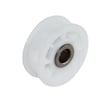
| Squealing or grinding | Idler pulley | Dryer idler pulley 4560EL3001A |
| Thumping noise | Drum support roller | Dryer drum support roller 4581EL2002H |
| Overheating or cycling heat oddly | Thermostat | Dryer high-limit thermostat 6931EL3003C |
| Heat shuts off too soon or temps seem wrong | Thermistor | Dryer thermistor AGM30045804 |
Why it matters
Most dryer failures start as airflow restriction or normal drum-drive wear. Fixing venting and replacing worn belt, roller, or thermostat parts early helps prevent overheating, repeat shutdowns, and longer dry times.
Related troubleshooting help
If your display shows an error code, match it to the symptom list in our Kenmore elite dryer error codes guide.
Last updated: February 2026
What is the life expectancy of a Kenmore dryer?
A Kenmore dryer typically lasts 10 to 13 years with normal household use. For your Kenmore Elite 79671512211, regular airflow maintenance (lint screen and venting) and quick fixes for wear parts often extend service life and help prevent overheating and long dry times.
Typical life expectancy (what to expect)
Most dryers fall into a predictable range based on use and maintenance:
- Typical range: 10 to 13 years
- Often longer with good care: 14 to 18 years
- Shorter lifespan drivers: restricted venting, heavy daily loads, ignored squealing or thumping noises
| Usage pattern | What we typically see | What helps most |
|---|---|---|
| Light (few loads/week) | Longer lifespan | Keep vent clear, avoid overloading |
| Average (most households) | 10 to 13 years | Clean lint path, replace wear parts early |
| Heavy (daily, large loads) | Shorter lifespan | Proactive belt and roller maintenance |
What wears out first on model 79671512211
On Kenmore Elite dryers like 79671512211, these parts commonly determine how long the dryer stays reliable:
- Drum belt: can crack, stretch, or break; see dryer drum belt 4400EL2001F
- Drum support rollers: can flatten and cause thumping; see dryer drum support roller 4581EL2002H
- Idler pulley: can squeal or seize and damage the belt; see dryer idler pulley 4560EL3001A
- Thermostats and sensors: can cause overheating or no-heat symptoms; see dryer high-limit thermostat 6931EL3003C
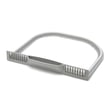
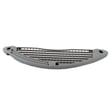
- Lint screen: damage or poor fit can reduce airflow; see dryer lint screen by lg 5231EL1001C
Maintenance that adds years (and why it matters)
Good airflow is the biggest factor in dryer longevity because it keeps temperatures stable and reduces strain on the motor and heating system.
- Clean the lint screen every load
- Check and clean the vent duct regularly (especially long runs)
- Avoid overloading; it stresses the belt, rollers, and motor
- Address new noises early (squeal, thump, grinding)
- If dry times increase, fix airflow first before replacing parts
Where to confirm model-specific care steps
For cleaning intervals, cycle guidance, and any model-specific cautions for the Kenmore Elite 79671512211, use the owner's manual.
Last updated: February 2026
How do I find the model number on my 79671512211?
Your Kenmore Elite dryer’s model number is printed on the appliance ID label; on most dryers like model 79671512211, that label is found around the door opening (door jamb) or just inside the front panel area. Use the full model number exactly as shown to match parts correctly.
Where to look on a Kenmore Elite dryer
Check these common label locations first:
- Open the dryer door and look along the door opening (left or right door jamb)
- Look on the inside face of the dryer door
- Check the front frame just inside the door opening
- If you do not see it, check the rear panel label (back of the cabinet)
For diagrams and label callouts specific to your dryer, use the owner's manual.
What the label looks like and what to copy
The ID label typically includes several identifiers. Copy them exactly (including dashes or extra digits if shown):
- Model number (for example: 79671512211)
- Serial number (helps confirm production run)
- Type or rating information (voltage, gas type, etc.)
Quick checklist
| Item | Why we need it | Example format |
|---|---|---|
| Model number | Ensures correct part fit | 79671512211 |
| Serial number | Helps with version changes | Letters and numbers |
| Brand | Confirms product family | Kenmore Elite |
Why it matters
Kenmore model numbers can look similar across different dryers; using the exact model number from the label prevents ordering the wrong drum belt, thermostat, igniter, or lint screen parts.
Last updated: March 2026