Owner’s manual


What is the capacity of the Whirlpool WFW9400SW04?
The Whirlpool WFW9400SW04 front-load washer has a 3.8 cu. ft. capacity, which is the usable drum volume for washing loads. This size is designed for everyday family laundry while still fitting a standard 27-inch-wide front-load footprint.
What 3.8 cu. ft. means for real-world loads
A 3.8 cu. ft. Whirlpool front-load washer typically handles:
- A full basket of mixed everyday clothing
- A queen-size comforter (depending on fill and thickness)
- Several bath towels in one load
- Bulky items best washed on a bulky/bedding cycle with proper spacing
How to avoid overloading (and why it matters)
Even with a 3.8 cu. ft. drum, overloading can cause poor cleaning, excess vibration, and door-boot leaks.
- Load loosely; do not pack items down
- Keep the top of the load below the door opening
- Mix large and small items to balance the spin
- Use only HE detergent (too much can cause oversudsing)
- Wipe the door seal after washing to reduce odor and mildew
Quick capacity comparison
| Washer capacity | Best for | Typical household fit |
|---|---|---|
| 3.0 to 3.5 cu. ft. | Smaller loads, limited space | 1 to 2 people |
| 3.8 cu. ft. | Balanced everyday + some bulky | 2 to 4 people |
| 4.5+ cu. ft. | Frequent bulky loads | 4+ people |
Where to confirm model-specific specs
We recommend checking the specifications section in your WFW9400SW04 owner's manual for the exact capacity listing and any load-size guidance specific to your cycle selections.
Why it matters
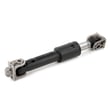
Matching load size to capacity helps the motor control, suspension, and drain system work correctly; it also reduces wear on parts like the door seal and shock absorbers.
Last updated: February 2026
What is the most common problem with whirlpool washers?
The most common problems we see with Whirlpool washers like model WFW9400SW04 are water-related issues (not filling, not draining, or leaking) and spin problems that leave clothes wet. Many of these start with simple causes such as kinked hoses, clogged inlet screens, excess suds, or a door that is not fully latched; see the WFW9400SW04 owner's manual for model-specific troubleshooting and error codes.
Most common issues and what to check first
- Won’t fill or fills slowly: confirm both hot and cold faucets are fully open; check for kinked hoses and clogged inlet screens.
- Won’t drain: check the drain hose for kinks, freezing, or clogs; verify the drain height is not too high.
- Door won’t lock or washer won’t start: close the door firmly; make sure laundry is not caught in the opening.
- Leaks at the door: inspect the door seal for tears, gaps, or debris.
- Excess suds (SUD): reduce detergent amount and use HE detergent to prevent over-sudsing.
Common symptoms, likely causes, and related parts
| Symptom | Most likely cause | Parts that often relate (if needed) |
|---|---|---|
| F20 (water inlet problem) | Water supply off, kinked hoses, clogged screens | Washer fill hose, 2-pack 8212487RP |
| F21 (drain problem) | Kinked/clogged drain hose, drain path restriction | Washer tub-to-pump hose WPW10467168, pump 280187 |
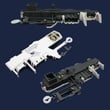
| Won’t start or stops | Door not fully latched, power issue | Washer door lock WP8183270 |
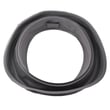
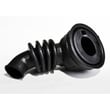
| Water on floor at front | Door seal damaged or not sealing | Washer door boot WP8182119, washer door boot spring clamp WP8182210 |
Why it matters
Fill, drain, and door-latch problems can stop the cycle mid-wash, trigger error codes (such as F20 or F21), and lead to leaks or poor spin performance. Catching a kinked hose or a failing door boot early helps prevent bigger water damage and repeat cycle failures.
Quick safety and reset tips
- Unplug the washer or disconnect power before checking hoses or wiring.
- Plug into a grounded 3-prong outlet; do not use an adapter or extension cord.
- If an error code appears, cancel the cycle, correct the cause (water supply or drain path), then restart.
Helpful reference
- Use our error code walkthrough for this washer style: Whirlpool duet he front load washer error codes
Last updated: February 2026
What is the life expectancy of a whirlpool washing machine?
Most Whirlpool washing machines last 10 to 14 years with normal household use and basic maintenance. For your Whirlpool WFW9400SW04 front-load washer, consistent care (proper detergent, cleaning, and avoiding chronic overloading) is what most directly determines whether you land closer to 10 years or closer to 14.
Typical lifespan ranges (what to expect)
In real-world use, washer life is usually driven by load size, vibration, water quality, and how often the machine runs.
- 10 to 14 years is the typical life expectancy for a Whirlpool washer
- Front-load washers often reach the lower end of the range when they run heavy loads daily
- Good habits (cleaning the door seal, using HE detergent, leveling the washer) push life toward the higher end
| Usage pattern | What we typically see | What helps most |
|---|---|---|
| Light (few loads/week) | Closer to 14 years | Keep it clean and dry between loads |
| Average (most households) | 10 to 14 years | Correct detergent and load size |
| Heavy (daily, large loads) | Closer to 10 years | Reduce overloads; address vibration early |
Maintenance that extends washer life
These steps reduce the most common wear issues on front-loaders: odor, leaks, and excessive vibration.
- Use HE detergent and avoid overdosing (too many suds strains the drain system)
- Wipe and dry the door area after laundry day; keep the door slightly ajar between loads
- Run a monthly cleaning cycle; follow the cleaning guidance in the WFW9400SW04 owner's manual
- Check pockets and use a mesh bag for small items to help prevent drain pump clogs
- Keep the washer level to reduce stress on suspension and tub components
Why it matters
A washer that is kept clean, level, and not overloaded runs with less vibration and moisture buildup. That helps protect high-wear areas like the door seal and suspension, which are common sources of leaks, noise, and early failure.
If you are already seeing leaks or mildew around the door opening, the washer door boot is a common wear item on this model; see the washer door boot WP8182119.
Last updated: February 2026