
Where is the model number on a chainsaw?
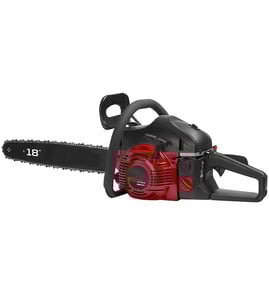
On the Craftsman chainsaw model 358351242, the model number is typically printed on the saw’s ID label or data tag on the housing. Common spots include the rear handle area, the starter (recoil) cover, or near the fuel and oil caps.
Where to look first
Check these locations in order; they are the most common on gas chainsaws:
- Rear handle or top handle (outer plastic housing)
- Starter/recoil cover (side cover you see when pulling the starter rope)
- Near the fuel tank and bar oil tank caps
- Bottom of the saw body (underside of the crankcase area)
- Under the air filter cover (less common, but possible)
What the label looks like
Most chainsaw ID labels include a few key fields. Use the model number to match parts correctly.
| Label field | What it’s used for | Example for this saw |
|---|---|---|
| Model number | Identifies the exact chainsaw version | 358351242 |
| Serial number | Tracks production run | Varies |
| Engine info | Helps match ignition/fuel parts | Varies |
If the label is missing or unreadable
If the sticker is damaged, we recommend cleaning the area and checking for a stamped or printed tag nearby.
- Wipe grime off with a rag and mild cleaner (avoid soaking decals)
- Use a flashlight at an angle to read faded printing
- Take a close-up photo and zoom in to read small characters
- Match parts by model number once you locate it
Why it matters
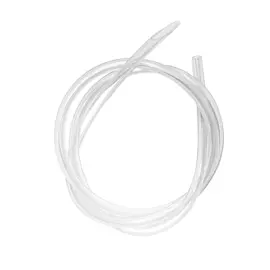
On Craftsman chainsaws, small design changes can affect fit. Using the exact model number helps you choose the right fuel system and hardware parts, such as the ayp lawn & garden equipment fuel line, large 530069216 or the chainsaw oil tank vent 530024475.
Last updated: January 2026
How do you tell the year of a chainsaw?
For a Craftsman chainsaw like model 358351242, the most reliable way to estimate the year is to use the product ID tag information (model number, serial number, and sometimes a date code) and match it to the manufacturer’s coding format. The exact “year made” is typically derived from the serial or date code, not the model number alone.
Where to look on the saw
Check these common locations for the ID tag or stamping:
- Rear handle area (near the throttle trigger housing)
- Starter housing (recoil cover) side
- Under the top cover near the air filter
- Bottom of the crankcase (less common)
- Bar side near the clutch cover (occasionally)
If the tag is missing or unreadable, the best next step is to compare key parts and layouts to known versions of the same platform.
What information you need (and what it means)
Most chainsaws use a combination of identifiers. Here is what to capture before you start decoding:
- Model number (example: 358351242)
- Serial number (often the most important)
- Any date code (may be separate from the serial)
- Tag style (sticker, metal plate, stamped) and tag color can be a clue
Quick decoding guide
| Identifier | What it usually tells you | How it helps date the saw |
|---|---|---|
| Model number | Product family and configuration | Narrows the era, not an exact year |
| Serial number | Production run info | Often contains a year/week code |
| Date code | Manufacturing date | Can directly indicate month/year |
If you are troubleshooting while you date it
A lot of “age” questions come up because the saw is hard to start or runs rough. If you see cracked fuel lines or fuel leaks, that often points to an older saw or one stored with fuel.
- Inspect fuel lines for brittleness and wet spots
- Check the fuel line clamp for looseness
- Look for air leaks at the tank vent
- Clean the carburetor inlet screen if fuel flow seems restricted
If you find damaged fuel plumbing, these model-compatible parts are common fixes: ayp lawn & garden equipment fuel line, large 530069216 and poulan chainsaw fuel line clamp 530027341.
Why it matters
Knowing the approximate year helps us match the correct carburetor setup, fuel line routing, and small hardware changes that can vary across production runs, even when the model number looks the same.
Last updated: January 2026
Should I use 40 1 or 50 1 fuel for a chainsaw?
For a Craftsman gas chainsaw model 358351242, use the fuel-to-oil ratio specified for your engine; in practice, 50:1 is common for many newer 2-cycle engines, while 40:1 adds more oil for extra lubrication but can increase smoke and carbon buildup.
Quick ratio comparison
| Mix ratio | Oil per 1 gallon of gas | What you’ll notice most |
|---|---|---|
| 50:1 | 2.6 oz | Cleaner running, less smoke |
| 40:1 | 3.2 oz | More lubrication, more smoke and deposits |
How we recommend choosing the right mix
Use these checks to pick the correct ratio for your saw and avoid piston scoring or plug fouling:
- If your fuel cap, starter cover, or decal lists a ratio, follow that exactly.
- If you are using modern 2-cycle oil labeled for 50:1, start with 50:1 unless your saw specifies otherwise.
- If the saw is older, worked hard (hot weather, long cuts), or you want a little more lubrication cushion, 40:1 is commonly used, but it can leave more carbon.
- Never “guess lean” on oil; too little oil is what damages crank bearings, piston, and cylinder.
- Mix fuel in an approved container and shake before each refill so oil stays suspended.
Symptoms that your mix is off
These signs help you correct the ratio before it causes hard starting or poor performance:
- Too much oil (too rich): heavy smoke, oily muffler, spark plug fouling, sluggish acceleration.
- Too little oil (too lean): high-pitched “screaming,” overheating smell, loss of power under load, scoring damage risk.
- Old fuel (either ratio): hard starting, surging, stalling, rough idle.
Why it matters
Your 2-cycle mix is the engine’s lubrication system. The correct ratio protects the piston, rings, crankshaft bearings, and seals while keeping the carburetor and exhaust from loading up with deposits.
Related repair help
If the saw is hard to start or runs rough even with fresh mix, follow our troubleshooting steps in tips for a hard to start chainsaw.
Last updated: January 2026