 Owner’s manual


What is the capacity of the wfw9200sq02?
The Whirlpool WFW9200SQ02 washer has a 4.0 cu. ft. capacity. That size is considered a full-size 27-inch front-load washer capacity and is designed to handle everyday family loads, including bulkier items like towels and jeans (washed in smaller batches).
We recommend verifying capacity and cycle details using the model-specific documentation for Whirlpool WFW9200SQ02.
- Check the specifications section in the WFW9200SQ02 owner’s manual
- Match the model number on the washer’s rating label to WFW9200SQ02
- Use capacity as a guide for load size, not as a “fill to the top” target
- For best cleaning, leave enough room for items to tumble freely
A 4.0 cu. ft. front-load washer is typically suited for medium-to-large loads.
| Load type | Typical fit in 4.0 cu. ft. | Tip |
|---|---|---|
| Everyday mixed laundry | Yes | Do not pack tightly |
| Towels | Yes | Wash in smaller towel-only loads |
| Queen comforter | Sometimes | Check the care label and balance the load |
| King comforter | Often no | Use a larger-capacity washer or laundromat |
Capacity affects cleaning performance, rinse quality, and spin results. Overloading a front-load washer can lead to poor tumbling, leftover detergent, vibration during spin, and extra wear on suspension components.
Last updated: January 2026
What is the life expectancy of a Whirlpool washing machine?
Whirlpool washing machines, including the Whirlpool WFW9200SQ02, typically last 10 to 14 years with normal household use. Consistent maintenance (especially cleaning and leak prevention) is what most often determines whether you land closer to 10 years or closer to 14.
We see these factors make the biggest difference on Whirlpool washers:
- Load size and balance: chronic overloading increases wear on the tub, bearings, shocks, and drive system.
- Moisture control: leaving the door ajar between loads helps prevent odor and boot deterioration.
- Water quality: hard water can accelerate scale buildup and reduce valve performance.
- Drain health: coins, lint, and debris strain the pump and hoses.
- Vibration: an unlevel washer shortens the life of suspension components.
For model-specific care and cleaning guidance, follow the maintenance section in the WFW9200SQ02 washer manual.
Use this routine to help your WFW9200SQ02 reach its full service life:
- Run a monthly cleaning cycle (or a hot wash with an approved cleaner).
- Wipe the door glass and gasket area after laundry day.
- Leave the door and dispenser slightly open to dry out.
- Check fill hoses for bulges or seepage and replace on a schedule.
- Keep the washer level; re-check if it starts walking or vibrating.
Some parts are normal wear items; replacing them can extend the washer’s usable life.
| Symptom | Often related area | Typical next step |
|---|---|---|
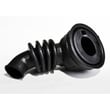
| Water on floor, musty smell | Door seal area | Inspect the washer door boot WP8182119 for tears, mold, or poor sealing |
| Won’t drain well, slow drain | Drain system | Check for clogs; inspect the pump and hoses |
| Excessive shaking during spin | Suspension | Inspect shocks and mounting points |
A washer that is maintained and kept leak-free usually costs less to own over time because it avoids secondary damage (motor strain, control issues, corrosion) that can turn a small repair into a major one.
Last updated: January 2026
What is a common problem for a Whirlpool washer front loader?
For the Whirlpool WFW9200SQ02 front-load washer, the most common problems we see are musty odors from moisture trapped in the door area, leaks at the door boot, and “won’t drain” symptoms caused by a restriction in the drain path or a failing pump. Use the WFW9200SQ02 washer manual for model-specific cleaning and operating guidance.
- Musty smell or visible mildew: moisture left in the door boot or detergent residue buildup
- Water leaking from the front: torn or mis-seated door boot, or a clamp issue
- Washer won’t drain or drains slowly: blockage in the pump filter area, drain hose restriction, or a weak pump
- Excessive vibration or walking: unbalanced load, washer not level, or worn suspension components
- Door won’t lock or won’t open: door lock mechanism issue or alignment problem
If troubleshooting points to a failed component, these are common matches for this model:
| Symptom | Likely area to check | Example compatible part for this model |
|---|---|---|
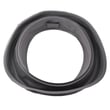
| Front leak, mildew at door | Door boot and clamps | Washer door boot WP8182119 |
| Won’t drain, standing water | Drain pump and drain path | Pump 280187 |
| Won’t lock or won’t start | Door lock assembly | Washer door lock WP8183270 |
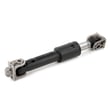
| Shaking during spin | Shock absorbers/suspension | Washer shock absorber W10822553 |
- Leave the door slightly open between loads to dry the drum and boot
- Wipe the door boot folds regularly; check for coins, hairpins, and lint
- Use the right amount of HE detergent to reduce residue
- Check pockets and avoid overloading to reduce vibration and drain clogs
- Verify the drain hose is not kinked and the standpipe height is reasonable
Most “big” front-load washer complaints (odor, leaks, no-drain) start as small maintenance issues. Catching residue buildup or a partial drain restriction early helps prevent pump strain, repeat error codes, and water damage.
Last updated: January 2026
What does F9 E2 mean on a Whirlpool washer?
On the Whirlpool WFW9200SQ02 washer, the F9 E2 error points to a drain system problem: the washer is not sensing the drain pump running correctly or it is not draining as expected. We use the WFW9200SQ02 washer manual to confirm the right reset and diagnostic steps for this model.
- Press Pause/Cancel (or Cancel) once; wait 1 minute and try Drain/Spin.
- Make sure the drain hose is not kinked, crushed, or pushed too far down the standpipe.
- Check for a clog at the standpipe or laundry sink where the washer drains.
- Reduce oversudsing: use HE detergent and the correct amount.
- Power reset: unplug the washer (or turn off the breaker) for 2 minutes, then restore power.
F9 E2 is most often triggered by restricted water flow out of the tub or an electrical issue that prevents the control from driving the pump.
| What we find | What it usually means | What to do next |
|---|---|---|
| Water left in drum | Drain path restriction | Inspect hose and pump area; clear debris |
| Pump runs but weak/no flow | Partial clog or failing pump | Inspect pump; replace if noisy/weak |
| No pump sound at all | Wiring/control not powering pump | Check harness connections; test components |
If basic checks do not help, these model-compatible parts are commonly involved:
- Pump 280187: moves water out of the tub during drain and spin.
- Washer drain hose WP8181737: carries drain water to the standpipe; kinks or internal blockages can stop draining.
- Washer wire harness 8183188: wiring connections can interrupt power or feedback to the drain pump.
When the washer cannot drain, it may stop mid-cycle, leave clothes soaking wet, or prevent high-speed spin. Fixing the drain restriction or pump drive issue quickly helps prevent repeat errors and reduces strain on the motor control system.
Last updated: January 2026






