Owner’s manual
 Error Codes



What is the most common problem with a GE refrigerator?
The most common problem we see with GE refrigerators like model GSS25QSWASS is a cooling complaint (refrigerator warm, freezer warm, or temperatures swinging). In many cases, the root cause is airflow restriction, dirty condenser coils, or a defrost-related issue; start with basic checks in the GSS25QSWASS owner's manual.
- Condenser coils are dirty: reduced heat removal can cause poor cooling.
- Door not sealing: warm air leaks in; frost buildup and temperature swings follow.
- Airflow blocked: packages against vents can stop cold air circulation.
- Defrost system problem: frost on the evaporator can choke airflow.
- Fan or sensor issue: a failed fan motor or temperature sensor can cause inconsistent temps.
- Confirm settings: make sure temperature controls are set to normal ranges.
- Check doors close fully: look for bins, food packages, or ice buildup preventing closure.
- Listen for fans: you should typically hear a fan running at times when the compressor runs.
- Inspect for heavy frost in the freezer rear panel area (a common sign of defrost trouble).
- Clean and recheck: after cleaning coils and improving airflow, allow 24 hours for temperatures to stabilize.
| Symptom | Common area | Example part for GSS25QSWASS |
|---|---|---|
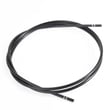
| Warm temps, inconsistent temps | Temperature sensing/control | GE profile refrigerator temperature sensor WR55X10025 |
| Frost buildup, poor airflow | Defrost system | Refrigerator defrost heater WR51X10055 |
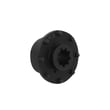
| Warm fridge, weak airflow | Evaporator airflow | Refrigerator evaporator fan motor WR60X10307 |
Cooling issues can spoil food quickly and can also lead to secondary problems like excessive frost, longer run times, and higher energy use. Starting with airflow, door sealing, and basic maintenance solves many “not cold enough” complaints before parts replacement.
Last updated: January 2026
Is side-by-side better than a French door?
It depends on how you use your refrigerator. A side-by-side like the GE GSS25QSWASS keeps both fresh and frozen foods at eye level and often makes freezer organization easier; a French door is usually better for wide platters and large fresh-food storage.
| Feature | Side-by-side (like GSS25QSWASS) | French door |
|---|---|---|
| Fresh-food space | Tall, narrower shelves | Wide shelves for platters |
| Freezer access | Eye-level, vertical sections | Bottom drawer, deeper bins |
| Organization style | More compartments, easier sorting | Bigger zones, fewer dividers |
| Best for | Frozen-food users, tight kitchens | Entertaining, large trays |
- You want freezer items (ice cream, frozen meals) at eye level.
- You prefer more, smaller storage zones for organizing.
- Your kitchen aisle is tight and you want doors that typically need less swing space than a full-width French door.
- You use the door bins a lot; on this style, bins are adjustable and designed to lock into molded supports.
- You regularly store wide items (party platters, pizza boxes, sheet pans).
- You keep lots of fresh ingredients and want a larger, more open refrigerator compartment.
- You do not mind bending for freezer access in a bottom drawer.
The “better” layout is the one that matches your habits. For example, the GSS25QSWASS door design is intended to close securely and may have a noticeable stop position that helps the doors stay open for loading; that can be a real convenience if you stock up often. For model-specific features and storage configurations, use the GSS25QSWASS owner's manual.
Last updated: January 2026
How wide is a 25.6 cubic foot refrigerator?
Most 25.6 cu. ft. side-by-side refrigerators are about 36 inches wide. For the GE GSS25QSWASS, plan on a 36-inch cabinet opening, and confirm the exact overall width and clearance needs in the GSS25QSWASS owner's manual.
Even when the listed capacity is the same (25.6 cu. ft.), the exact width can vary slightly by brand and handle style.
- Typical exterior width: 35 3/4 to 36 inches
- Common cabinet opening target: 36 inches
- Door swing and handle clearance can add needed space
- If an entrance is less than 38 inches wide, GE’s guidance indicates the doors may need to be removed for moving the unit in (a common side-by-side install issue)
| What you’re measuring | What it tells you | Typical value for 25.6 cu. ft. side-by-side |
|---|---|---|
| Case width (no handles) | Fit between cabinets | ~35 3/4 to 36 in. |
| Width with handles | Door clearance in tight aisles | Often slightly wider |
| Minimum doorway to move in | Whether doors may need removal | 38 in. is a common threshold |
Use a tape measure and check these points before delivery or reinstall:
- Width between cabinets at the front and at the back (walls can be out of square)
- Depth from the wall to the front edge of counters (for door swing)
- Height to the lowest overhead cabinet or soffit
- Doorway width on the path to the kitchen (including trim)
- Space behind the refrigerator for the water line and to pull the unit out for cleaning
A refrigerator that is “about 36 inches wide” can still bind on cabinets or fail to open fully if the opening is tight. Planning for door swing, handles, and moving clearance prevents damage to flooring, doors, and the water line.
Last updated: January 2026
Are GE side-by-side refrigerators good?
Yes. GE side-by-side refrigerators like model GSS25QSWASS are a solid choice for everyday use because they typically offer easy organization, consistent cooling, and convenient features like an in-door ice and water dispenser when properly installed and maintained (see the GSS25QSWASS owner's manual).
Side-by-side refrigerators are popular because they balance freezer and fresh-food space and keep frequently used items at eye level.
Common strengths customers value:
- Spacious, easy-to-sort compartments with adjustable shelving
- In-door ice and water access (less door opening, more convenience)
- Bright interior lighting for visibility
- Straightforward temperature controls and storage layout
Some side-by-side designs can have a narrower fresh-food section than a French door model, and the ice maker can be noticeable when it cycles.
Typical considerations:
- Ice maker noise can be more noticeable in quiet kitchens
- Ice production can feel slow if doors are opened often or the freezer is warm
- Water taste and flow depend heavily on filter condition and water supply setup
We recommend these basics for GE side-by-side refrigerators:
- Replace the water filter on schedule; a clogged filter can reduce flow and affect taste (example: GE refrigerator water filter MWFP)
- Avoid harsh cleaners inside the cabinet; use recommended cleaning methods from the manual
- Do not wash plastic refrigerator parts in the dishwasher
- Pull the refrigerator straight out when cleaning behind it to help prevent floor damage
- For long absences, unplug, clean with a baking soda solution, and leave doors open (per the manual)
| If you want... | A GE side-by-side is usually a good fit | Consider another style if... |
|---|---|---|
| Easy access to freezer and fridge | Yes, both are vertical and reachable | You want extra-wide fridge shelves |
| In-door ice and water | Often included and convenient | You prefer maximum interior storage space |
| Simple organization | Strong, with bins and shelves | You store large platters or wide pizza boxes often |
A side-by-side can be “good” or “frustrating” depending on how you use it. Keeping airflow clear, using the right cleaning approach, and staying on top of the water filter are the biggest factors in day-to-day satisfaction.
Last updated: January 2026