Installation guide


How do I reset my Frigidaire dryer E64?
To reset an E64 error on your Frigidaire FER311FS0 dryer, we recommend disconnecting power for 3 to 5 minutes, then restoring power and running a timed dry cycle. If E64 returns, focus on the heater circuit and airflow related safety devices.
Reset steps (safe and effective)
- Turn the dryer off and unplug it (or switch the breaker off).
- Wait 3 to 5 minutes to clear the control.
- Restore power.
- Run Timed Dry with an empty drum for 5 to 10 minutes.
- If the code reappears, stop the cycle and move to the checks below.
What E64 usually points to on this dryer
E64 is commonly tied to an electric heat circuit problem (heater not heating correctly, wiring issue, or a safety device opening due to overheating). On FER311FS0, the most common causes are a restricted vent, a failed thermal safety device, or a heater circuit component.
Parts that commonly fix E64 symptoms
| Symptom you notice | Most likely area | Example part for FER311FS0 |
|---|---|---|
| No heat or weak heat | Heater circuit | Dryer heating element assembly 131553900 |
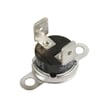
| Heats then shuts down, code returns | Overheat protection | Dryer thermal limiter 134120900 |
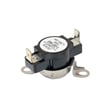
| Overheating, cycling issues | Temperature safety control | Dryer high-limit thermostat 3204267 |
Checks to do before replacing parts
- Clean the lint screen and confirm strong airflow at the outside vent hood.
- Inspect the vent duct for crushing, kinks, long runs, or heavy lint buildup.
- Verify the dryer is level and stable; vibration can stress wiring connections.
- If you recently moved or installed the dryer, recheck the electrical connections and strain relief.
- If you smell overheating or see scorching, stop using the dryer until the cause is corrected.
Why it matters
E64 often shows up when the dryer cannot control heat correctly. Fixing airflow first prevents repeat failures of the heating element, thermal limiter, or high-limit thermostat, and it helps drying performance and cycle times.
For installation and safety notes (including where to find the wiring diagram location on the unit), follow the installation guide. You can also use our Frigidaire dryer error codes reference to compare symptoms and next steps.
Last updated: February 2026
How much is a control board for a Frigidaire dryer?
A control board for a Frigidaire dryer typically costs about $150 to $250, depending on the exact board type and where it’s used in the dryer. For the Frigidaire FER311FS0, confirm the correct control by matching your dryer’s wiring and console layout in the FER311FS0 installation guide.
What affects the price
Control board pricing varies because different dryers use different electronic controls.
- Board type: user interface board vs. main control board
- Model variation: revisions within the same model family
- Symptoms: “dead” console vs. heat or motor control issues
- Availability: in-stock vs. special order
- Return policy: unopened electrical parts are often restricted
Quick checks before buying a board
Many “bad control board” symptoms on dryers are caused by power, door switch, or airflow issues.
- Verify the dryer has the correct power supply and cord setup for your installation
- Check the door closes and latches firmly (a worn catch can prevent starting)
- Inspect the terminal block area for loose connections (power off first)
- Confirm the venting is not restricted; poor airflow can trigger overheating protection
- If the dryer runs but does not heat, test heating circuit components before replacing controls
Common related parts for FER311FS0 (not control boards)
| Symptom | Often involved part | Example part for this model |
|---|---|---|
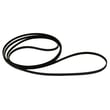
| Drum not turning | Belt or idler | Frigidaire dryer drum belt 134503600 |
| No heat or overheating shutdown | Thermal limiter or thermostat | Dryer thermal limiter 134120900 |
| Door won’t stay closed | Latch components | Frigidaire dryer door catch 131658800 |
Why it matters
Ordering the wrong electronic control is expensive and usually not returnable once installed. Verifying the exact failure first helps you avoid replacing a board when the real issue is a door latch, thermal limiter, or wiring connection.
Last updated: February 2026
How to take off the front of a Frigidaire dryer?
To remove the front on a Frigidaire FER311FS0 dryer, we unplug the dryer (and shut off gas if applicable), then remove the screws securing the front panel and lift the panel up and out. We also support any wiring so it is not strained during removal.
Before you start (safety and prep)
- Disconnect power at the breaker, then unplug the dryer.
- If you have a gas hookup, close the gas shutoff valve.
- Pull the dryer forward enough to work safely without stressing the vent.
- Do not lift or move the dryer by the control panel (it can be damaged).
- Keep a small container for screws so nothing gets lost.
Front panel removal steps (typical for FER311FS0)
- Unplug the dryer and confirm the drum light and controls are off.
- If needed for access, remove the top panel (some under counter installations allow top removal).
- Locate and remove the front panel mounting screws (commonly along the inside edges after the top is lifted, or at the lower corners depending on configuration).
- If a wire harness is attached to the front panel (door switch wiring), disconnect the harness plug; cut and replace any zip tie only if it prevents safe separation.
- Lift the front panel straight up to unhook it from the lower retaining tabs, then pull it forward and off.
What you might need
| Item | Why we use it |
|---|---|
| Phillips or 1/4-in nut driver | Removes common cabinet screws |
| Putty knife (plastic preferred) | Helps release clips and avoids scratches |
| Work gloves | Protects hands from sharp cabinet edges |
| Vacuum and brush | Cleans lint while the cabinet is open |
Why it matters
Removing the front panel correctly prevents broken door switch wiring, stripped screw holes, and cabinet misalignment. It also gives you access to common wear parts like the belt, idler, and drum support components.
While it is open: quick checks
- If the drum will not turn or squeals, inspect the Frigidaire dryer drum belt 134503600 and the idler path.
- If you see heavy lint buildup, clean the blower area and venting to improve drying performance.
- If the door feels loose after reassembly, verify hinge screws are tight and the door closes squarely.
For diagrams and model-specific installation notes (including door swing details), use the installation guide.
Last updated: February 2026
What is the purpose of FER311FS0?
The Frigidaire FER311FS0 is a clothes dryer designed to tumble laundry while moving heated air through the drum and exhausting moisture and lint through the vent system. It runs on a dedicated 240V electrical supply (electric models) and is installed and vented using the requirements in the installation guide.
What this dryer is built to do
- Dry clothes efficiently by combining heat, airflow, and drum rotation
- Exhaust moisture outdoors through a properly sized, non-crushed vent path
- Operate on a dedicated electrical circuit (do not share a circuit with a washer)
- Allow rear exhaust by default, with optional side or bottom exhaust routing (setup dependent)
- Protect against overheating using safety thermostats and thermal limiters
Key installation requirements (high level)
These are the core requirements that define how the dryer is intended to be used.
| Area | Typical requirement for FER311FS0 installation | Why it matters |
|---|---|---|
| Electrical (electric dryer) | 240V, single-phase, 60 Hz; dedicated 30-amp branch circuit | Prevents nuisance trips and overheating |
| Cord/receptacle | 3-wire (NEMA 10-30) or 4-wire (NEMA 14-30) depending on code and installation type | Ensures proper grounding method |
| Venting | Rear exhaust from factory; inspect and clean venting at least every 18 months | Maintains airflow and drying performance |
Parts that support the dryer’s core function
If the dryer runs but does not tumble, or it tumbles with noise, these common wear parts are often involved:
- Frigidaire dryer drum belt 134503600 (drives drum rotation)
- Dryer idler assembly 131863007 (maintains belt tension)
- Dryer drum bearing kit 5303281153 (supports drum movement and reduces friction)
Why it matters
Understanding the dryer’s purpose helps you troubleshoot correctly: drying problems are usually caused by restricted airflow (venting), loss of heat (heating circuit and safety devices), or loss of tumbling (belt and drum support parts). For control-panel fault symptoms, use the Frigidaire dryer error codes reference to match the symptom to the right checks.
Last updated: February 2026
Where can I find my Frigidaire dryer model number?
On your Frigidaire FER311FS0 dryer, the model number is typically printed on a rating label around the door opening; check along the top edge of the opening when the door is open. This label usually also includes the serial number.
Where to look first (fast checks)
- Open the dryer door and look along the top of the door opening
- Check the inside door frame area for a sticker or metal tag
- Wipe lint and residue off the label gently so the characters are readable
- Write the model number down exactly as shown (letters and numbers)
What the label helps you do
Having the correct model number lets us match the right Frigidaire dryer parts and diagrams for your unit, including common wear items like the Frigidaire dryer drum belt 134503600 and heating components.
Model number vs. serial number (quick guide)
| Label item | What it tells you | When you need it |
|---|---|---|
| Model number | The exact dryer design and parts fit | Ordering parts, looking up diagrams |
| Serial number | The production run and build details | Service history, some compatibility checks |
Why it matters
Frigidaire often uses similar-looking cabinets across multiple dryer models, but internal parts (belt routing, drum support, thermostats, timer style) can differ. Using the exact model number prevents ordering the wrong replacement part and reduces downtime.
If the label is hard to read
- Use a flashlight and take a close-up photo, then zoom in
- Clean lightly with a damp cloth; avoid scraping the label
- If characters are missing, compare what you can read against your paperwork and installation details in the installation guide
Last updated: February 2026
Why is my Frigidaire dryer not drying clothes?
For your Frigidaire FER311FS0 dryer, the most common reason clothes stay damp is restricted airflow (lint screen, vent duct, or outside hood damper). Poor airflow forces long dry times and can also cause the heater to cycle off on safety devices.
Quick checks that fix most “not drying” complaints
- Clean the lint screen completely (wash off fabric softener residue, then dry it).
- Inspect the vent hose behind the dryer for kinks, crushing, or sagging.
- Confirm you are using rigid or flexible metal duct, not plastic or foil duct.
- Check the outdoor vent hood: damper must swing freely and the opening must be clear.
- Keep at least 12 inches of clearance between the vent hood and the ground or obstructions.
- Run a timed dry cycle and verify strong airflow at the outside vent.
Parts that commonly cause long dry times on this model
If airflow is good but drying is still poor, heat or airflow components may be failing.
| Symptom | What it usually points to | Example part for FER311FS0 |
|---|---|---|
| Runs but little or no heat | Heater circuit issue | Dryer heating element assembly 131553900 |
| Heats briefly then stops heating | Overheat protection opening due to restriction or failed safety | Dryer thermal limiter 134120900 |
| Weak airflow, rumbling, or lint buildup inside | Blower issue or housing restriction | Blower wheel and housing assembly 131775600 |
Why venting details matter (safety and performance)
Your installation requirements call for exhausting the dryer outdoors and avoiding plastic flexible duct because lint can build up, restrict airflow, and create a fire hazard. Restricted airflow also increases drying time and can trigger high-temperature safety shutoffs.
What to do next (best order)
- Verify venting meets the requirements in the installation guide.
- Do a quick airflow test at the outdoor hood during a timed cycle.
- If airflow is strong, move to heat diagnosis (heater, thermostats, thermal limiter).
- If your dryer displays a fault, use Frigidaire dryer error codes to narrow the cause.
Last updated: February 2026