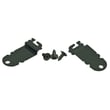
Installation guide
 Owner’s manual


What is the most common problem with KitchenAid dishwashers?
The most common KitchenAid dishwasher complaint we see on the KitchenAid KDFE104DSS4 is poor cleaning results (dishes still dirty after a cycle). In most cases, the fix is basic maintenance and setup: correct detergent, hot enough incoming water, and keeping the wash system clear so spray can reach every item.
Quick checks that solve most “not cleaning” complaints
- Confirm the incoming water temperature is at least 120°F (49°C).
- Use fresh automatic dishwasher detergent (not hand soap or laundry detergent).
- Use the right amount of detergent for soil level and hard water.
- Scrape food off dishes before loading (skip heavy pre-rinsing).
- Load so nothing blocks spray arms; avoid nesting bowls and overcrowding.
- If you see foam, stop and correct the detergent issue; suds can prevent proper filling and washing.
When it points to a part problem
If the basics look good but cleaning is still inconsistent, these are common part-related causes on many KitchenAid dishwashers:
| Symptom | Most likely area | What to do next |
|---|---|---|
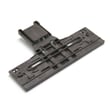
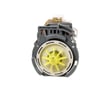
| Detergent door doesn’t open | Dispenser mechanism | Inspect and replace the dishwasher detergent dispenser W10861000 if the latch or spring is damaged. |
| Weak spray, gritty residue | Wash system flow restriction | Clean filter area and check for debris; verify loading is not blocking spray. |
| Suds or overflow behavior | Overfill protection float | Make sure the float moves freely; press down to release if stuck. |
Why it matters
Poor cleaning is usually not a “major failure”; it is often a wash-chemistry or water-temperature issue. Getting water to 120°F, using the correct detergent, and preventing suds helps the KDFE104DSS4 fill correctly and maintain strong spray action for better results.
For cycle options, loading guidance, and troubleshooting steps specific to this model, use the KDFE104DSS4 owner’s manual.
Last updated: February 2026
How to get KitchenAid replacement parts?
For your KitchenAid dishwasher model KDFE104DSS4, we get the right replacement part by matching the model number first, then confirming the part ID/part number and the part description before ordering. This prevents fit issues and repeat repairs.
The fastest way to find the correct part
- Find the model/serial label inside the tub near the door edge.
- Use the full model number KDFE104DSS4 when searching.
- Identify the failed part by symptom (leak, no drain, won’t start, poor drying).
- Match the part by part name + part ID (not just a photo).
- Confirm quantity and any included hardware before checkout.
Common KDFE104DSS4 parts customers replace
If your issue matches one of these, starting with the exact part page helps you order confidently:
| Symptom | Likely part to check | Example part for this model |
|---|---|---|
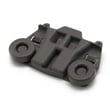
| Lower rack won’t roll smoothly | Rack wheels/rollers | Dishwasher dishrack roller assembly, lower WPW10195417 |
| Dishwasher won’t fill or fills slowly | Water inlet valve | Dishwasher water inlet valve W11175771 |
| Dishwasher won’t drain | Drain pump or drain hose | Dishwasher drain pump W10876537 |
| Dishes not drying well | Heating circuit | Element assembly W10703867 |
Before you order: quick checks that save time
These steps help confirm you are replacing the right component:
- Verify the dishwasher is getting water at the shutoff valve.
- Check for kinks or clogs in the drain hose routing.
- Look for standing water in the sump area after a cycle.
- If you see suds, make sure you are using automatic dishwasher detergent and not hand soap; excess suds can affect filling and washing.
Use the documentation to confirm part location and access
We recommend using the diagrams and procedures in the KDFE104DSS4 owner’s manual and the KDFE104DSS4 installation guide to confirm where the part sits, what panels must be removed, and how the unit is connected (water, drain, power).
Why it matters
Dishwashers often have multiple similar-looking versions of the same component across close model numbers. Matching KDFE104DSS4 plus the exact part ID helps ensure proper fit, correct electrical connectors, and the right mounting points.
Last updated: February 2026
What are the commonly replaced parts in a dishwasher?
In our KitchenAid KDFE104DSS4 dishwasher, the most commonly replaced parts are the ones that move water, heat water, seal the door, and help the racks glide smoothly. When cleaning performance drops, the unit leaks, or it will not fill or drain, these wear items are the first places we check.
Commonly replaced parts (and what they fix)
- Water fill problems: dishwasher water inlet valve W11175771
- Not drying or poor heating: element assembly W10703867
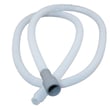
- Not draining: dishwasher drain pump W10876537 or a drain hose
- Door will not latch or won’t start: dishwasher door latch WPW10653840
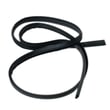
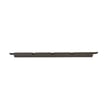
- Leaks at the bottom of the door: dishwasher door seal, lower W10909089
- Racks falling off track or rolling rough: dishwasher dishrack roller assembly, lower WPW10195417 and adjusters
Quick symptom-to-part guide
| Symptom | Most likely part area | Example part for KDFE104DSS4 |
|---|---|---|
| Won’t fill or fills slowly | Fill valve, supply line | Water inlet valve |
| Standing water in tub | Drain pump, drain hose, air gap | Drain pump |
| Dishes wet at end | Heater circuit, rinse aid use | Element assembly |
| Door pops open or won’t start | Latch, strike alignment | Door latch |
| Water on floor at door | Door seal, alignment | Lower door seal |
Why these parts fail most often
- Mineral buildup and debris restrict water flow and spray
- Filters and sump areas collect soil that can strain pumps
- Heat and detergent gradually harden seals
- Rack wheels and adjusters wear from daily loading
- Door latching issues prevent the wash motor from running
Maintenance that prevents repeat failures
Your KDFE104DSS4 uses a filter system (upper filter assembly and lower filter) that needs periodic cleaning to keep wash performance strong. We follow the cleaning and locking steps in the KDFE104DSS4 owner’s manual.
- Clean filters when dishes feel gritty
- Rinse heavy food soil off plates before loading
- Keep spray paths clear (avoid blocking arms with tall items)
- Use rinse aid to improve drying and reduce spotting
- Check for kinks in the drain hose after moving the dishwasher
Why it matters
Replacing the right wear part early restores cleaning and drying, prevents leaks that can damage flooring, and reduces strain on the circulation and drain system.
Last updated: February 2026