Owner’s manual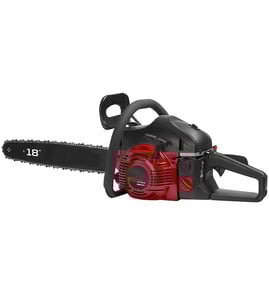




Is 40 1 or 50 1 better for chainsaws?
For the Craftsman 316350840 gas chainsaw, 40:1 is the better choice because it’s the specified fuel mix in the owner’s manual. Using the correct 2-cycle gas-to-oil ratio protects the 55 cc engine from lean lubrication, hard starting, and accelerated wear.
What we recommend for model 316350840
Use fresh, properly mixed 40:1 fuel and follow the mixing and maintenance guidance in the 316350840 owner's manual. The manual also calls out “check fuel mixture” as a routine item, which is a strong reminder that mix ratio matters for performance and engine life.
Quick mix chart (40:1)
| Gasoline amount | 2-cycle oil needed (40:1) |
|---|---|
| 1 gallon | 3.2 fl oz |
| 2 gallons | 6.4 fl oz |
| 5 liters | 125 ml |
40:1 vs 50:1: what changes in real use
Both ratios can run in many 2-cycle engines, but they are not interchangeable when your manufacturer specifies one.
- 40:1: more oil per gallon; stronger lubrication under load, especially during long cuts and hot weather.
- 50:1: less oil per gallon; can increase wear risk if the engine was designed for 40:1.
- Too much oil for the design can increase smoke and carbon deposits on the spark plug and muffler screen.
- Too little oil for the design can increase scuffing and overheating.
Tips to avoid fuel-related problems
- Mix only what you will use in 30 days.
- Use the correct 2-cycle oil (air-cooled engine rated).
- Shake the fuel can before refueling to re-blend oil.
- If it runs rough or won’t start after a fuel change, follow tips for a hard to start chainsaw.
- Keep bar and chain lubrication separate; use proper bar oil and confirm the oiler is working (smoke or bar discoloration points to low bar oil, not mix ratio).
Why it matters
Your 316350840 is a high-RPM, air-cooled 2-cycle saw; the fuel mix ratio is the engine’s primary lubrication source. Matching the manual’s 40:1 spec is the simplest way to prevent premature engine wear and keep starting and cutting performance consistent.
Last updated: February 2026
What is the Craftsman 316350840 42 cc 2 cycle gas 18 chainsaw?
The Craftsman 316350840 is a gas-powered, 2-cycle chainsaw designed to run an 18-inch guide bar and chain for typical homeowner cutting tasks like limbing and bucking. For safe setup, fueling, and operating details specific to this model, use the 316350840 operator's manual.
Key features and what they mean
- 2-cycle gasoline engine: Uses a gas and 2-cycle oil mix (not straight gas).
- 18-inch cutting setup: Common size for storm cleanup and firewood cutting.
- Bar oiling system: The saw meters bar oil during operation; we recommend filling bar oil whenever you fill fuel.
- Wear items: The bar and chain are normal wear parts and are replaced as they dull or stretch.
Fuel and bar oil basics (model-specific)
The 316350840 uses a 40:1 fuel mix (3.2 oz of 2-cycle oil per 1 gallon of unleaded gasoline). For bar lubrication, use chainsaw bar oil; the saw typically uses about one tank of bar oil per tank of fuel, so topping off both together helps prevent bar and chain overheating.
| What you fill | What to use | Quick tip |
|---|---|---|
| Fuel tank | Unleaded gas + synthetic 2-cycle oil (40:1) | Shake the mix container before fueling |
| Bar oil tank | Chainsaw bar oil (SAE 30 acceptable short-term) | Fill every time you add fuel |
Parts that commonly match the “18-inch” setup
If you are replacing cutting components, these model-page parts are common starting points:
Why it matters
Using the correct 40:1 fuel mix and keeping the bar oil tank full protects the engine, guide bar, and chain. That reduces hard starting, poor cutting performance, and premature wear.
Last updated: February 2026
What model number is a Craftsman 316350840 16 36cc chainsaw?
The model number for the Craftsman gas chainsaw in question is 316.350840 (often written without the dot as 316350840). For parts, service, and specifications, match the model tag on the saw to the model shown in the 316350840 operator's manual.
Where to find the model number on the saw
Look for the model identification label in common locations such as:
- On the starter housing (recoil cover)
- Near the rear handle or trigger area
- On the crankcase or chassis near the bar mount
- On a label near the fuel tank
If the label is dirty or worn, wipe it clean and use a flashlight; one or two characters can change the parts match.
316350840 vs. “16-inch / 36cc” descriptions
“16-inch” and “36cc” are often used in listings, but they are not the model number. Use the model number to ensure the correct chainsaw bar, chain, and engine parts.
| What you see | What it means | What to use for parts |
|---|---|---|
| 16-inch | Typical guide bar length description | Model number + bar/chain spec |
| 36cc | Engine displacement description | Model number |
| 316.350840 / 316350840 | Actual model identifier | Use this |
Parts that must match the model
For the Craftsman 316350840, the most common fit issues happen with cutting system parts. When replacing, match pitch/gauge/drive links to the bar and chain spec in the manual.
- Guide bar (length and mount pattern)
- Chain (pitch, gauge, drive link count)
- Sprocket and clutch components
- Bar nuts and bar plate hardware
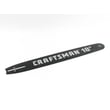
If you are replacing the cutting system, we often recommend replacing bar and chain together, such as the oregon chainsaw bar, 18-in 180SDET041 with the correct matching chain spec.
Why it matters
Using the correct model number prevents ordering a bar or chain that will not tension correctly, will not oil properly, or will not seat on the bar studs. It also ensures you get the right fuel system and ignition parts when troubleshooting hard starting or rough running.
Last updated: February 2026
What old chainsaws are worth money?
Older chainsaws are worth money when they are collectible (rare or iconic models), complete, and in good condition, or when they are desirable as rebuildable “runner” saws. For a Craftsman gas chainsaw like model 316350840, value increases when it runs well and has the correct bar and chain setup listed in the 316350840 owner's manual.
What drives value the most
- Brand and model demand: Stihl, Husqvarna, Homelite, and certain Craftsman models can attract collectors.
- Condition: Clean cases, intact handles, and no major cracks or missing covers.
- Running status: A running saw typically sells for more than “for parts.”
- Completeness: Original-style guide bar, chain brake cover, and correct fasteners.
- Safety and maintenance history: A saw that has been maintained and stored properly is more desirable.
Quick value checklist (use this before you price it)
| Factor | Higher value when… | Lower value when… |
|---|---|---|
| Starts and runs | Starts easily, idles, revs cleanly | No-start, bogs, stalls |
| Bar and chain | Correct length and low-kickback chain | Wrong fit, excessive wear |
| Wear items | Chain brake works, bar groove is clean | Brake issues, heavy bar/chain wear |
| Originality | OEM-style parts and intact labels | Missing parts, heavy modifications |
Model 316350840 tips that help resale
Our manual emphasizes safe operation and using the correct replacement bars and low-kickback chains. It also notes using the original-style bar with the oil passage hole so the bar and chain receive oil.
- Verify the oiler is working (dry bar lowers value fast).
- Clean the guide bar groove and set proper chain tension.
- Confirm the chain stops moving when the throttle trigger is released.
- If the bar or chain is worn, replacing them can improve buyer confidence; common replacements include an 18-inch bar like the oregon chainsaw bar, 18-in 180SDET041 and a matching 18-inch chain 95TXL072G.
Why it matters
Collectors pay for rarity and originality, but most buyers pay for a saw that is safe, oils the bar properly, and cuts well. A small investment in maintenance items (bar, chain, spark plug, filters) often raises the selling price and reduces returns.
Last updated: February 2026
Where is the model number on a chainsaw?
On the Craftsman gas chainsaw model 316350840, the model number is typically found on the product identification label or ID tag on the saw body. Check the areas around the rear handle, starter cover, or near the fuel tank where labels are commonly placed.
Where to look first (fast checks)
- Look for a printed logo label or ID tag on the saw housing.
- Check near the rear handle/boot loop area.
- Check the starter cover side of the saw.
- Look around the fuel tank cap area (labels are often nearby).
- Wipe off oil and sawdust; labels can be hard to read when dirty.
If the label is missing or unreadable
If the label is damaged, use these practical options:
- Check the paperwork that came with the saw (receipt, registration, service notes).
- Use the parts diagram and identification info in the 316350840 operator's manual.
- If you are replacing cutting components, match by fit and size (bar length, chain pitch, gauge) rather than guessing.
Common label locations by chainsaw type
| Chainsaw type | Most common model tag locations | Why it’s placed there |
|---|---|---|
| Gas chainsaw (like 316350840) | Starter cover, rear handle area, fuel tank area | Protected from heat and moving parts |
| Electric chainsaw | Motor housing, handle area | Easy to see without removing covers |
Why it matters
The model number ensures we match the correct Craftsman parts and specs (for example, the correct guide bar and chain style). Using the wrong chain or bar can cause poor cutting performance and extra wear.
Last updated: February 2026