


What is the typical lifespan of a gas snowblower?
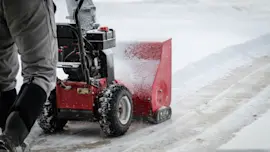
A typical gas snowblower like the Noma D2450-010 24" snow thrower lasts 10 to 15 years with normal seasonal use and basic maintenance. Keeping the drive system adjusted and replacing wear items on time is what most often determines whether you reach the high end of that range.
What affects lifespan the most
- Maintenance frequency: fresh fuel, clean/replace spark plug, and regular oil changes
- Storage habits: dry storage and off-season fuel care (stabilizer or drain)
- Snow conditions: heavy, wet snow and ice increase load on auger and drive components
- Wear parts replaced on time: belts, skids, and chute components
- Operator habits: avoiding gravel ingestion and not forcing the machine through packed snow
Parts that commonly shorten lifespan when ignored
If performance drops, these are often the first wear points to inspect on this model:
- Snowblower drive belt 1733324SM (loss of forward drive, slipping, burning rubber smell)
- Skid 1740912BMYP (scraping, poor scraper-bar height control, housing wear)
- Deflector 762222MA (poor throwing control, snow blowing back toward operator)
Quick “replace vs. repair” checklist
| Condition | Usually worth repairing | Usually time to consider replacement |
|---|---|---|
| Engine starts and runs smoothly | Yes | No |
| Drive slips but engine is strong | Yes (often belt/friction related) | No |
| Major rust-through on housing/auger area | Sometimes | Often |
| Repeated gearbox/shaft failures | Sometimes | Often |
Why it matters
A snowblower that is near end-of-life typically becomes less reliable during storms and can start damaging expensive components (auger drive, friction drive, bearings). Replacing a low-cost wear part early often prevents a bigger repair later.
Last updated: February 2026
Should I spray my snowblower with WD-40?
Yes, you can spray a light coat on key snow-contact areas of your Noma D2450-010 24" snow thrower to help reduce snow sticking and chute clogging; keep it off belts, friction surfaces, and hot engine parts so you do not create slippage or a fire risk.
Where it helps (and where it does not)
Use a light film only on surfaces where snow packs and refreezes.
- Inside the discharge chute and on the deflector
- Auger housing interior (not the belt area)
- Chute rotation ring and pivot points (lightly)
- Painted metal surfaces for short-term moisture displacement
- Avoid the drive system, especially the snowblower drive belt 1733324SM
How to apply it safely
- Shut the engine off, remove the key (if equipped), and let the muffler cool.
- Brush off packed snow and wipe surfaces dry.
- Spray onto a rag first, then wipe the chute and housing; this prevents overspray.
- Cycle the chute/deflector to spread a thin, even coating.
What to use: quick comparison
| Option | Best for | Watch-outs |
|---|---|---|
| Water-displacing spray | Quick anti-stick and light rust prevention | Can attract dirt; reapply often |
| Silicone spray | Stronger anti-stick on chute surfaces | Keep off belts and friction areas |
| Paste wax | Longer-lasting slick surface | Takes longer to apply |
| Cooking spray | Short-term anti-stick | Can gum up and collect debris |
Why it matters
Snow sticking in the chute makes the auger work harder, increases clogging, and can lead to poor throwing distance. Keeping the chute and deflector slick helps performance while reducing strain on wear items like belts, pulleys, and bearings.
Last updated: February 2026
Is a 3 stage snowblower better than a 2 stage?
A 3-stage snowblower can be better than a 2-stage when you regularly face deep, heavy, or plowed snow because it typically feeds snow into the impeller faster and reduces clogging. For a Noma D2450-010 24" snow thrower, “better” depends on your snow depth, driveway size, and how often you clear.
2-stage vs 3-stage: what changes
Both designs use an auger and an impeller; a 3-stage adds an accelerator (a third rotating component) to move snow into the impeller more aggressively.
- 2-stage: great all-around choice for most storms and typical residential driveways
- 3-stage: best for deeper, wetter, end-of-driveway piles and faster clearing in tough conditions
- Single-stage (for reference): lighter-duty; best for smaller areas and lighter snow
Quick comparison
| Feature | 2-stage | 3-stage |
|---|---|---|
| Deep/plowed snow handling | Good | Excellent |
| Wet/heavy snow | Good | Excellent |
| Clearing speed | Moderate | Faster in heavy snow |
| Complexity and upkeep | Lower | Higher |
| Typical cost | Lower | Higher |
When a 3-stage is the better pick
A 3-stage is the better choice if you commonly deal with:
- End-of-driveway berms from the plow
- Heavy, wet snow that packs easily
- Drifts that are consistently deep
- Large areas where time savings matter
Why it matters for parts and maintenance
More moving components can mean more wear points over time. No matter which design you use, keeping the drive system and chute controls in good shape helps performance.
- If the unit stops driving or slips under load, check the snowblower drive belt 1733324SM.
- If discharge direction or control is poor, inspect the chute/deflection components such as the deflector 762222MA.
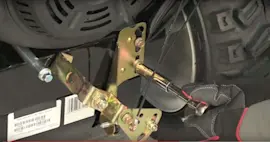
- If auger engagement feels inconsistent, inspect linkage and related hardware.
Last updated: February 2026
Is it cheaper to repair or replace a snowblower?
For a Noma D2450-010 24-inch gas snow thrower, it’s usually cheaper to repair when the fix is a common wear item (belt, skid shoes, chute parts). Replace the snowblower when the repair total is about 50% or more of the cost of a comparable new machine, or when multiple major systems need work.
Quick decision checklist
- Repair if the engine runs well and the issue is limited to drive, chute, or wear parts.
- Repair if you can fix it with 1 to 3 parts and basic tools.
- Replace if the engine has low compression, heavy smoking, or repeated no-start problems.
- Replace if the auger/gearcase area is damaged and parts plus labor stack up quickly.
- Replace if the frame, housing, or controls are bent or cracked from impact.
Typical repair costs vs. common parts
These are common “repair-first” items for the D2450-010 that often restore performance without major expense:
| Problem you notice | Common fix | Example part for this model |
|---|---|---|
| Won’t drive or slips under load | Replace worn drive belt, inspect pulleys | Snowblower drive belt 1733324SM |
| Scrapes pavement or won’t glide | Replace skid shoes, adjust scraper height | Skid 1740912BMYP |
| Poor throwing direction/control | Repair chute/deflector hardware | Deflector 762222MA |
Why the 50% rule matters
Once repairs approach half the price of a new snowblower, you’re paying a lot without getting a new engine, new auger housing, or a fresh warranty. Repairing earlier, especially with wear parts like a drive belt or skid shoes, usually gives the best value and extends the life of the machine.
Tips to keep repair costs down
- Diagnose before buying parts: check belt condition, pulley alignment, and cable adjustment.
- Replace related wear items together (for example, belt plus a damaged pulley).
- Avoid “parts swapping”: confirm the failure point first.
- Use a basic tool set and follow safe DIY practices; see are diy appliance repairs safe.
Last updated: February 2026
What are the parts of a snow blower called?
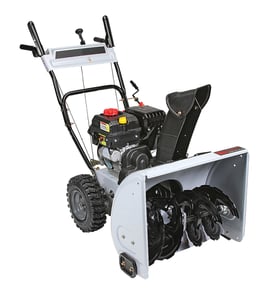
A snowblower is made up of drive parts (that move the machine), snow-handling parts (that pull in and throw snow), and control and safety hardware. On the Noma D2450-010 24" snow thrower, you will commonly see parts like belts, pulleys, auger-drive hardware, chute/deflector pieces, and wear items.
Common snowblower part names (and what they do)
- Auger and impeller system: pulls snow in and throws it out the chute
- Chute and deflector: aims where the snow goes (direction and height)
- Drive system: helps the unit self-propel (belt, pulleys, friction drive components)
- Skid shoes and scraper bar: set housing height and protect the auger housing on pavement
- Shear pins/bolts: sacrificial fasteners that protect the auger gearbox when you hit ice or debris
- Controls and cables: engage auger and drive, adjust chute, and control speed
Examples of real parts you may replace on model D2450-010
Here are a few common part names you will see when shopping for Noma D2450-010 snowblower parts:
| System | Example part name | What you notice when it fails |
|---|---|---|
| Ground drive | Snowblower drive belt 1733324SM | Snowblower will not move, slips, or loses drive under load |
| Chute | Deflector 762222MA | Snow stream is hard to aim, deflector will not hold position |
| Auger engagement | Auger clutch spacer 1673MA | Auger engagement feels off, cable setup will not adjust correctly |
| Wear/height control | Skid 1740912BMYP | Scraping, poor clearing, housing rides too low or too high |
Why it matters
Using the correct part name helps you match the right diagram and order the right replacement. For example, “drive belt” problems affect forward motion, while “auger” or “chute” problems affect throwing performance and distance.
Quick identification tips
- If it will not move, start with the drive belt, pulleys, and friction drive parts.
- If it moves but will not throw snow, focus on auger engagement, shear pins, and auger/impeller drive.
- If it throws but will not aim, look at the chute, deflector, and related hardware.
- If it scrapes or leaves snow behind, inspect skid shoes and the scraper bar.
Last updated: February 2026
How to tell if a snowblower auger belt is bad?
A bad auger belt on your Noma D2450-010 24" snow thrower usually shows up as weak or no auger/impeller movement even with the auger lever engaged. Most failures are visible (cracks, fraying, glazing) or functional (slipping, burning rubber smell, reduced throwing distance).
Quick signs the auger belt is failing
- Auger and impeller do not spin, or they spin slowly under load
- Snow throws a much shorter distance than normal
- Belt looks cracked, frayed, stretched, or has missing chunks
- Belt surface is shiny or slick (glazed), which causes slipping
- You smell hot rubber after engaging the auger
- You hear squealing when the auger is engaged
What to check (safe, practical inspection)
- Shut the engine off, remove the key (if equipped), and let all moving parts stop.
- Tip the machine only as recommended for small engine equipment (avoid flooding the carburetor); keep fuel shutoff off if you have one.
- Inspect the belt for damage and glazing; also check for oil contamination (oil makes belts slip).
- With the auger lever released, confirm the belt is not overly loose on the pulleys.
- Engage the auger lever and watch for strong, immediate belt tensioning and pulley drive.
Belt condition vs. symptoms
| What you see or smell | What it usually means | What to do next |
|---|---|---|
| Cracks, fraying, chunks missing | Belt is worn out | Replace the belt |
| Shiny/glazed belt, squeal | Belt is slipping | Replace belt; check pulley alignment |
| Belt looks OK but auger still weak | Tension or drive issue | Check idler/pulley, cable, and spacers |
| Burning rubber smell | Severe slipping | Stop using; inspect belt and pulleys |
Parts that commonly relate to auger drive issues
If the belt is worn, replace it with the correct drive belt for this model: snowblower drive belt 1733324SM. If the belt keeps slipping, also inspect the pulley and clutch hardware for wear or binding.
Why it matters
A slipping auger belt reduces throwing performance and can overheat, which accelerates belt failure and can damage pulleys or nearby components. Catching belt wear early helps your snowblower stay reliable during heavy, wet snow.
Last updated: February 2026