Owner’s manual
 Error Codes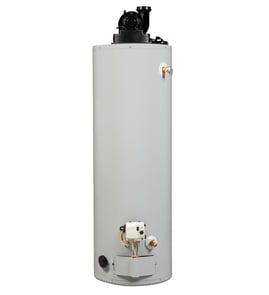



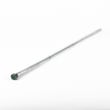

Can you replace parts on a water heater?
Yes. On the American Water Heaters N40S61-403 gas water heater, many service parts are replaceable (such as the gas control valve/thermostat, pilot assembly, drain valve, anode rod, and T&P relief valve). We recommend following the safety and service procedures in the N40S61-403 use & care manual.
Parts you can commonly replace on this model
These are typical replaceable components for N40S61-403, and several are available as model-matched parts:
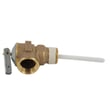
- Temperature and pressure relief valve (T&P)
- Gas control valve/thermostat (gas valve and temperature control)
- Pilot assembly (pilot/thermopile components)
- Drain valve
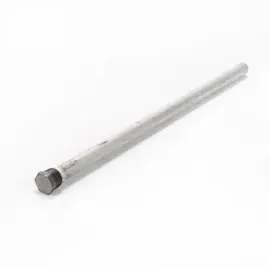
- Anode rod
- Dip tube
When replacement makes sense vs. replacement of the water heater
If the tank itself is leaking, replacing parts will not solve the problem. If the issue is a control, ignition, or valve problem, replacing the failed part often restores normal operation.
| Situation | Usually worth replacing parts? | Notes |
|---|---|---|
| Pilot will not stay lit | Yes | Often points to pilot/thermopile or gas control issues. |
| T&P valve dripping | Yes | Also check for high pressure or thermal expansion. |
| Drain valve leaking | Yes | Replace the drain valve and verify threads/seal. |
| Rotten egg odor | Yes | Anode rod inspection/replacement is a common fix. |
| Tank leaking from body/seams | No | Tank failure is end-of-life for the heater. |
Model-specific parts that match N40S61-403
If you are repairing this model, these part pages are commonly relevant:
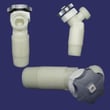
- Water heater temperature and pressure relief valve 100108279
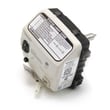
- American water heater water heater gas valve and temperature control assembly 100112336
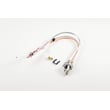
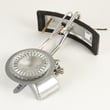
- Water heater pilot assembly 100112330
Why it matters
Replacing the right part can restore safe operation, improve hot water performance, and extend the service life of your N40S61-403. Using model-matched parts also helps avoid fit and gas-type compatibility problems.
Last updated: January 2026
How do I know if my thermocouple is bad on my water heater?
On American water heater model N40S61-403, the safety sensor people often call a “thermocouple” is typically part of the pilot/thermopile circuit. A common sign of failure is the pilot will not remain lit after you release the gas control/temperature knob, so the burner will not run and you get no hot water. Use the model’s lighting and status-light checks in the N40S61-403 use & care manual.
Symptoms that point to the pilot/thermopile circuit
- Pilot will not remain lit after you follow the lighting steps
- Status light shows 2 flashes (thermopile voltage low)
- Pilot is out and the status light indicates 0 flashes (control off/pilot out)
- Wiring connections at the gas control/thermostat are loose or damaged
- The heater shuts down and will not keep operating after a relight attempt
Quick checks we recommend (no disassembly)
- Follow the exact lighting sequence; wait the full 10 minutes between lighting attempts (this control requires it)
- After a lighting attempt, record the status light flash code
- Confirm the manual gas shut-off valve is on and gas supply is available
- If the manual’s pilot troubleshooting points to restricted combustion air, inspect for lint or debris around the air intake/flame-trap area (cleaning methods are in the manual)
What the status light can tell you
| Status light result | What it indicates in the manual | Typical next step |
|---|---|---|
| 2 flashes | Thermopile voltage low | Check wiring connections; replace the pilot/thermopile assembly if needed |
| 4 flashes | Overheat failure | Gas control valve/thermostat replacement by a qualified person |
| 5 flashes | Sensor failure | Gas control valve/thermostat replacement by a qualified person |
| 7 flashes | Electronic control failure | Gas control valve/thermostat replacement by a qualified person |
Parts that commonly resolve “pilot won’t stay lit” on this model
If the manual’s checks point to the pilot sensing side, the relevant replacement is the water heater pilot assembly 100112330. If the status light codes point to the control, the matching part is the American water heater water heater gas valve and temperature control assembly 100112336.
Why it matters
This safety circuit must prove a pilot flame before the gas control allows continued gas flow. When the circuit cannot prove flame (or the control detects a fault), it shuts the heater down to prevent unsafe operation.
Last updated: January 2026
How do I read my water heater model number?
To read your American water heater model number for model N40S61-403, find the rating plate (data plate) on the tank, typically next to the gas control valve/thermostat. Use the model number and serial number from that plate when looking up parts and service info; the other ratings are usually not needed.
Where to find the model and serial number on N40S61-403
On this model, the manual indicates the data plate is next to the gas control valve/thermostat. Use the information exactly as printed.
- Look on the outside of the tank near the gas control valve/thermostat
- Find the label that lists Model, Serial, and often a product number
- Write the characters exactly (including dashes)
- Take a clear photo before ordering parts
For diagrams and label references, use the N40S61-403 use & care manual.
What information matters most (and what usually does not)
When we help match parts for N40S61-403, these are the most useful fields:
- Model number (example: N40S61-403)
- Serial number (helps confirm production run)
- Type of gas listed on the data plate (natural gas vs. LP)
- Product number (if shown)
Details that are usually not needed for basic parts lookup:
- BTU tables and sizing charts
- Venting tables (unless you are troubleshooting venting)
- General installation notes
Quick reference: what to record
| On the rating plate | Why we use it |
|---|---|
| Model number | Matches the correct parts list for N40S61-403 |
| Serial number | Helps confirm the correct version/run |
| Gas type | Prevents ordering the wrong gas control components |
Why it matters
Even one wrong character can point to a different water heater series, which can lead to ordering the wrong gas valve, pilot assembly, or drain valve. Using the exact rating-plate model and serial keeps your repair safe and accurate.
Last updated: January 2026
How old is my American water heater by serial number?
For American Water Heaters model N40S61-403, we can’t reliably determine the exact manufacture date from the serial number using model-specific information alone because the provided documentation doesn’t include a serial-number decoding chart. You can still use the serial number to confirm age with the manufacturer or service support listed in the N40S61-403 use & care manual.
Where to find the serial number on N40S61-403
The manual states the data plate identifying your water heater is located next to the gas control valve/thermostat.
- Look for the data plate near the gas control valve/thermostat
- Record the model number (N40S61-403), serial number, and 7-digit product number
- Copy characters exactly, including any letters
- Note the date of installation if you have it (it helps compare install date vs. build date)
How to use the serial number to determine age
Because serial formats can vary by production run, the most accurate path is to use the serial number with official support channels.
- Contact the manufacturer’s support using the phone number shown in the manual
- Provide: model number, serial number, and product number
- Ask for the manufacture date (or “build date”) tied to that serial
What to have ready
| Item to provide | Where it’s found | Why it helps |
|---|---|---|
| Model number | Data plate | Identifies the exact unit family |
| Serial number | Data plate | Unique identifier used to look up build date |
| Product number | Data plate | Helps match the correct production record |
Why it matters
Knowing the build date helps us narrow down compatible repair parts and maintenance timing, such as replacing a leaking T&P valve or servicing gas controls.
If you’re troubleshooting a leak at the relief outlet, a common replacement is the water heater temperature and pressure relief valve 100108279.
Last updated: January 2026
Is it cheaper to repair or replace a water heater?
For the American water heater model N40S61-403, it’s usually cheaper to repair when the issue is limited to a serviceable component (like the gas control or a leaking valve) and the tank itself is sound. Replacement is typically the better value when the tank is leaking, badly corroded, or repairs are approaching half the cost of a new unit.
How we decide for N40S61-403
We use the same practical decision points technicians use, then match them to common service items called out in the N40S61-403 manual.
- Repair when the tank is not leaking and the problem is isolated (pilot issues, control problems, a dripping valve, sediment noise).
- Replace when the tank is leaking (not a fitting), or there is widespread corrosion.
- Replace when multiple repairs are stacking up (repeat no-hot-water, repeated pilot outages, recurring overheating shutdowns).
- Repair when the fix is a known, replaceable part and access is straightforward.
Typical cost logic (simple rule-of-thumb)
| Situation | Usually cheaper choice | Why |
|---|---|---|
| Minor component failure | Repair | Parts and labor are limited |
| Multiple failures close together | Replace | Reliability drops, labor adds up |
| Tank leak | Replace | Tank is not a practical repair |
| Repair estimate is 50%+ of replacement | Replace | Better long-term value |
Parts that commonly make repair worthwhile
If your N40S61-403 is otherwise in good shape, these model-matched parts often support a cost-effective repair:
- Water heater temperature and pressure relief valve 100108279 (helps address dripping or leaking at the relief valve)
- American water heater water heater gas valve and temperature control assembly 100112336 (addresses control, temperature regulation, and some ignition-related issues)
- Water heater pilot assembly 100112330 (helps when the pilot will not light or will not stay lit)
- Drain valve 100108269 (helps when the drain valve leaks or will not operate correctly)
Why it matters
A water heater replacement is a bigger upfront expense, but a failing tank can cause ongoing downtime and repeated service calls. A targeted repair on N40S61-403 can restore safe, consistent hot water when the tank and venting setup are still in good condition.
Last updated: January 2026
What is the average lifespan of a gas hot water heater?
A typical tank-style gas water heater lasts 8 to 12 years. For your American Water Heaters N40S61-403, lifespan is driven mostly by water quality, sediment buildup, and anode-rod condition, so good maintenance can push service life closer to the upper end.
What affects lifespan most
- Sediment in the tank (causes popping noises, slower recovery, and overheating stress)
- Anode rod wear (once depleted, the tank corrodes faster)
- Water pressure and thermal expansion (can accelerate leaks and cause relief valve dripping)
- Temperature setting (higher temps increase scaling and corrosion)
- Installation and venting quality (poor combustion air or venting can shorten component life)
Maintenance that helps you reach the full lifespan
We recommend following the maintenance intervals and safety guidance in the N40S61-403 use & care manual. Key items that typically make the biggest difference:
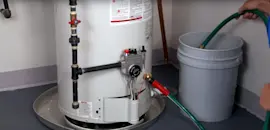
- Drain and flush the tank about every 6 months to reduce sediment
- Test the temperature and pressure (T&P) relief valve yearly
- Inspect the anode rod about every 3 years (annually if you have softened water)
- Keep combustion air openings clear; keep lint and debris away from the flame-trap area
Common “wear items” vs. “end of tank life”
| What you notice | More likely a service part | More likely end of tank life |
|---|---|---|
| Pilot problems, no ignition | Yes (pilot, gas valve) | Not usually |
| Relief valve dripping | Yes (T&P valve, expansion issue) | Sometimes |
| Rusty water or rotten-egg odor | Sometimes (anode rod) | Sometimes |
| Water under the heater from the tank body | No | Yes |
Why it matters
Once a gas water heater gets past the 8 to 12 year range, the risk of an internal tank leak rises quickly. Staying on top of flushing and anode-rod checks helps you avoid surprise failures and protects efficiency.
Last updated: January 2026
What is the most common problem with gas water heaters?
On the American N40S61-403 gas water heater, we can’t identify a single “most common” failure from model-specific information alone because frequency varies by water quality, venting, and usage. That said, sediment buildup in the tank is one of the most frequent causes of poor performance on gas water heaters.
What’s common on the N40S61-403
The N40S61-403 manual specifically calls out sediment or lime in the tank as a cause of issues like high operating costs, insufficient hot water, and slow recovery. See the maintenance and troubleshooting sections in the N40S61-403 use & care manual.
Common symptoms linked to sediment include:
- Popping, sizzling, or rumbling sounds during heating
- Slower hot water recovery
- Not enough hot water during normal use
- Higher gas usage for the same demand
- More frequent burner cycling
What to do first (safe, practical steps)
Start with maintenance steps that address the most common performance causes:
- Turn the gas control to OFF and let water cool before servicing
- Drain and flush the tank (recommended every 6 months in the manual)
- Check the drain valve for clogging or leaking
- Verify combustion air openings and venting are not obstructed
- If the T&P valve drips, check for high pressure or thermal expansion
If the drain valve is damaged or won’t operate reliably, replacing it can make flushing possible again: drain valve 100108269.
Quick comparison: sediment vs. other frequent gas-water-heater issues
| Symptom | Sediment more likely | Another issue more likely |
|---|---|---|
| Popping/rumbling noises | Yes | Sometimes (burner/airflow) |
| Slow recovery / not enough hot water | Yes | Sometimes (gas pressure, control issues) |
| Pilot won’t stay lit | No | Pilot assembly or gas control problems |
| T&P valve dripping | Sometimes | High pressure, expansion, faulty valve |
Why it matters
Sediment forms an insulating layer at the bottom of the tank, so the burner has to run longer to heat water. That can raise operating cost and contribute to overheating symptoms and nuisance shutdowns.
Last updated: January 2026