 Installation guide
 Owner’s manual



What is the average life of a Bosch dishwasher?
A Bosch dishwasher typically lasts 10 years on average. With normal household use and basic care, many Bosch units run 10 to 15 years, and the biggest lifespan factors are installation quality, water conditions, and keeping the wash system clean (filters, spray arms, and drain path). See the owner's manual for model-specific care steps for your Bosch SHX33RF5UC.
Typical lifespan and what affects it
Most dishwasher failures that shorten life come from chronic leaks, poor draining, or overheating electrical connections. These are the most common factors that move lifespan up or down:
- Hard water and scale buildup (reduces cleaning performance and stresses pumps)
- Clogged filters or drain path (forces the drain pump to work harder)
- Frequent heavy cycles and high-temp options (more wear on pumps and seals)
- Installation issues like kinks in hoses or loose wiring connections
- Small leaks that go unnoticed (can damage components over time)
Maintenance that helps your SHX33RF5UC last longer
We recommend a simple routine that prevents the most common dishwasher breakdowns:
- Clean the filter area regularly and remove debris (labels, glass, food)
- Check spray arms for blocked jets and clear them
- Run hot water at the sink before starting a cycle if your kitchen line runs cold
- Inspect for drips at the water connection and under the door
- Keep the drain hose routed high to help prevent backflow
Parts that commonly get replaced as a dishwasher ages
If performance drops, these parts are frequent wear items on many Bosch dishwashers:
| Symptom | Common cause | Example part on this model page |
|---|---|---|
| Not filling or fills slowly | Water inlet valve restricted or failing | Dishwasher water inlet valve 00622058 |
| Not draining | Drain pump jammed or weak | Dishwasher drain pump 00642239 |
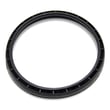
| Leaking at the bottom of the door | Lower door seal worn or deformed | Dishwasher door seal, lower 00432490 |
Why it matters
A dishwasher that is installed correctly and kept clear of clogs runs with less strain on the circulation pump, drain pump, and seals. That reduces nuisance errors, improves cleaning, and helps you reach the full expected service life.
Last updated: February 2026
Can I still use my appliance with an E22 error?
Yes, you can sometimes run your Bosch SHX33RF5UC dishwasher with an E22 error, but we recommend fixing the cause first because E22 commonly points to a drain or filter restriction that can leave dirty water in the tub and strain the drain system. Use the owner's manual to confirm the exact E22 meaning and reset steps for your model.
What E22 usually means on a Bosch dishwasher
On Bosch dishwashers, E22 is most often tied to water not draining correctly due to a restriction in the filter area or drain path.
Common causes to address before running another cycle:
- Filter screen or sump area clogged with food debris
- Drain hose kinked, pinched, or installed incorrectly
- Drain pump obstructed or failing
- Float stuck up, or float switch not changing state
Quick checks you can do safely
Turn off power to the dishwasher at the breaker before checking internal components.
- Remove and clean the filter assembly and the area beneath it
- Check the drain hose routing for kinks and high-loop issues
- Verify the drain hose has a high loop; the installation guide calls for a portion of the drain hose to be at least 20 inches off the cabinet floor to help prevent draining problems
- Look for standing water after canceling/draining; note whether you hear the drain pump running
- Make sure the float moves freely (it should lift and drop without sticking)
Parts that commonly solve E22-related drain problems
If cleaning and hose checks do not clear the error, these model-matched parts are common next steps:
| Symptom you notice | Most likely area | Example part for SHX33RF5UC |
|---|---|---|
| Hums but won’t drain, water remains | Drain pump or obstruction | Dishwasher drain pump 00642239 |
| Slow drain or backflow, hose damaged/kinked | Drain hose routing or hose | Dishwasher drain hose 00668108 |
| Overfill protection triggered or odd fill/drain behavior | Float/float switch | Dishwasher float switch 00165256 |
Why it matters
Running repeated cycles with an E22 condition can lead to poor cleaning, odors from standing water, and extra wear on the drain pump. Clearing the restriction early is the fastest way to get normal wash performance back.
For model-specific troubleshooting flow and any reset procedure, use the installation guide alongside the Bosch dishwasher error codes reference.
Last updated: February 2026
What's the most common problem with a Bosch dishwasher?
The most common issue we see with Bosch dishwashers like model SHX33RF5UC is a drain problem: water stays in the bottom because the filter area, drain hose, or drain pump path is restricted. Leaks at the door and occasional fill problems are also common and usually trace back to seals or the water inlet system. For model-specific care and self-help steps, use the owner's manual.
Most common symptoms and what they usually mean
- Standing water after the cycle: clogged filter area, blocked drain hose, or a failing drain pump
- Bad odor: standing water plus food debris in the filter/sump area
- Leaks at the front/bottom of the door: worn or mis-seated lower door seal
- Not filling or filling slowly: water supply issue, float stuck, or inlet valve problem
- Poor cleaning: spray arm holes or filter area restricted, or loading/detergent issues
Quick checks you can do first (no parts required)
- Cancel/drain the cycle and listen for the drain pump running.
- Clean the filter area and remove any debris from the sump.
- Inspect the drain hose routing for kinks and confirm it is not pinched behind the unit.
- Verify the sink drain/disposer connection is clear (a blocked connection mimics a dishwasher drain failure).
- Make sure the float moves freely; a stuck float can prevent filling.
Common parts that fix the most common problems
If cleaning and hose checks do not solve it, these are the most frequently replaced parts for drain, leak, and fill complaints on this model:
| Problem you notice | Most likely part to check | Part on this model page |
|---|---|---|
| Won't drain, water left in tub | Drain pump | Dishwasher drain pump 00642239 |
| Drains slowly or backs up | Drain hose | Dishwasher drain hose 00668108 |
| Leaks at the bottom/front of door | Lower door seal | Dishwasher door seal, lower 00432490 |
| Won't fill or fills intermittently | Water inlet valve | Dishwasher water inlet valve 00622058 |
Why it matters
Drain restrictions can cause odor, poor cleaning, and repeated cycle interruptions. Door leaks can damage flooring and cabinets. Catching the root cause early usually prevents a bigger repair like pump or control issues.
Related troubleshooting help: Bosch dishwasher error codes.
Last updated: February 2026
Is the Bosch Silence Plus a good dishwasher?
Yes. Bosch SilencePlus dishwashers are known for quiet operation and strong cleaning performance, which makes them a solid choice for many homes. For your Bosch SHX33RF5UC, the best measure of “good” is consistent wash results, reliable draining, and low noise when the unit is installed and maintained per the installation guide.
What “good” looks like in everyday use
A good dishwasher should deliver these basics cycle after cycle:
- Cleans well without needing heavy pre-rinsing
- Drains fully at the end of the cycle (no standing water)
- Runs quietly with minimal vibration
- Doesn’t leak at the door or under the unit
- Fills normally and maintains steady wash pressure
Quick performance check you can do at home
If you are evaluating your SHX33RF5UC (or troubleshooting whether it’s performing like it should), these checks are the most telling:
- Noise: A smooth, steady wash sound is normal; loud grinding often points to a pump or debris issue.
- Filling: If it seems to run “dry,” the water supply or inlet valve can be the cause.
- Draining: Slow or no drain usually traces to the drain path, hose routing, or drain pump.
- Leaks: Door-edge drips often relate to the lower door seal or loading issues.
| Symptom | Most common cause | Part to consider (if needed) |
|---|---|---|
| Won’t fill or fills slowly | Water supply issue or failed inlet valve | Dishwasher water inlet valve 00622058 |
| Not draining | Clog, hose routing, or failed drain pump | Dishwasher drain pump 00642239 |
| Leaking at bottom of door | Worn or mis-seated lower seal | Dishwasher door seal, lower 00432490 |
Why installation and maintenance matter
Even a high-quality, quiet dishwasher can seem “bad” if it’s installed incorrectly. For example, the drain hose needs a proper high loop (a portion at least 20 inches off the cabinet floor) to help prevent draining problems and backflow. Following the installation guide helps protect wash performance, noise level, and leak prevention.
Last updated: February 2026





