Error Codes


Are GE side by side refrigerators good?
Yes. GE side-by-side refrigerators like model PSI23SCRDSV are a solid choice for everyday reliability, easy organization, and convenient features such as in-door ice and water. Most performance complaints we see are tied to wear parts (ice maker, airflow, defrost) that are repairable.
What “good” usually means for a side-by-side
A side-by-side is typically a good fit when you want consistent access to both fresh food and freezer items without bending for drawers.
- Strong day-to-day food organization with vertical shelving
- Faster access to frozen foods than bottom-freezer styles
- In-door dispenser convenience (when equipped)
- Repairs are often straightforward because common failures involve replaceable components
- Long-term performance depends heavily on airflow and door sealing
Common issues (and the parts that usually fix them)
If you are judging “good” by how well it holds temperature, makes ice, and avoids frost buildup, these are the most common repair paths for this GE platform.
| Symptom | Most likely system | Example part for PSI23SCRDSV |
|---|---|---|
| Warm fridge section, freezer OK | Airflow/damper | Refrigerator air damper assembly WR60X10062 |
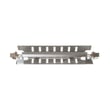
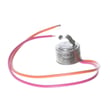
| Frost buildup, poor cooling | Defrost system | Refrigerator defrost heater WR51X10055 and refrigerator defrost thermostat WR50X10068 |
| No ice or slow ice | Ice maker fill/ice maker | Refrigerator ice maker WR30X10093 |
| No water at dispenser | Water supply valve | Refrigerator water valve WR57X33326 |
| Temps swing up and down | Temperature sensing/control | GE profile refrigerator temperature sensor WR55X10025 |
Quick checks that improve performance
These steps help you decide whether you are seeing normal behavior or a correctable problem.
- Set temperatures to typical targets: 37°F fresh food and 0°F freezer
- Make sure vents are not blocked by food packages
- Check door closing and sealing; a leaking gasket causes frost and temperature swings
- Clean condenser area regularly to reduce run time and noise
- If ice is slow, confirm household water supply is fully open and the fill tube is not frozen
Why it matters
A “good” refrigerator is one that holds stable temperatures and moves air correctly. In a side-by-side, airflow and defrost health are everything; when those systems drift, you will notice warm spots, frost, and slow ice, but the fix is often a targeted part replacement.
Last updated: February 2026
How big is a GE Profile refrigerator?
GE Profile refrigerator size depends on the exact model and style; for the GE PSI23SCRDSV side-by-side, you should plan for a full-size 36-inch class opening, with overall dimensions typically around 35 3/4 inches wide, about 69 to 71 inches tall, and roughly 33 to 36 inches deep (deeper with handles). Use your model’s spec label and cabinet opening measurements to confirm fit.
Typical size ranges by GE Profile style
Most GE Profile refrigerators fall into these common ranges:
- Side-by-side (like PSI23SCRDSV): ~35 3/4 in W; ~69 to 71 in H; ~33 to 36 in D
- French door (standard depth): ~35 3/4 in W; ~69 to 71 in H; ~34 to 37 in D
- Counter-depth models: ~35 3/4 in W; ~69 to 71 in H; ~29 to 32 in D
What to measure (so it fits the first time)
Measure in inches and write the numbers down before ordering parts or planning a replacement:
- Width of the cabinet opening (wall to wall)
- Height from floor to the lowest overhead cabinet/soffit
- Depth from the back wall to the front edge of counters
- Door swing clearance (space needed to open doors fully)
- Pathway clearance (doorways, hallways, and turns for moving it)
Quick comparison table
| Measurement | What it affects | What to include |
|---|---|---|
| Width | Whether it fits between cabinets | Doors closed; hinges if they protrude |
| Height | Whether it fits under cabinets | Leveling legs; hinge cover |
| Depth | How far it sticks out | Handles; door thickness |
Why it matters
A refrigerator that is even 1 inch too deep or too tall can block door swing, hit overhead cabinets, or prevent proper airflow. Getting the opening and clearance right also helps the GE PSI23SCRDSV cool evenly and avoid temperature swings that can lead to frost or warm spots.
If you are troubleshooting temperature issues while checking fit and airflow, a failed sensor can also cause inconsistent cooling; the GE profile refrigerator temperature sensor WR55X10025 is one common part used to monitor cabinet temperature.
Last updated: February 2026
How to order GE appliance parts?
For your GE PSI23SCRDSV side-by-side refrigerator, we recommend ordering replacement parts by matching your exact model number and then selecting the part from the PSI23SCRDSV parts list; this helps ensure fit and compatibility for items like the ice maker, water valve, and door gasket.
What we need from you before you order
- Confirm the model number is PSI23SCRDSV (from the rating label inside the fresh food section)
- Identify the symptom or the part you want to replace (no ice, leaking water, warm temps, torn seal)
- Compare your old part to the listing (connectors, mounting points, and shape)
- Have basic details ready: serial number, approximate purchase date, and any error or display messages
Common PSI23SCRDSV parts customers order
If you are troubleshooting a specific issue, these are frequent replacements for this model:
| Symptom | Likely part to check | Example part on this model page |
|---|---|---|
| No ice or small cubes | Ice maker or fill components | Refrigerator ice maker WR30X10093 |
| Water dispenser not working or leaking | Inlet water valve | Refrigerator water valve WR57X33326 |
| Frost buildup, warm freezer | Defrost heater or thermostat | Refrigerator defrost heater WR51X10055 |
| Door not sealing, moisture, frost | Door gasket | Refrigerator door gasket WR24X20456 |
Tips to avoid ordering the wrong part
- Match by model number first, then by part ID
- If multiple similar parts appear (for example, damper assemblies), choose the one listed for your exact model
- For electrical parts (control board, sensors, motors), unplug the refrigerator before inspection
- If you are unsure, start with the most failure-prone, easiest-to-check items (gasket, valve screens, ice maker fill tube)
Why it matters
GE side-by-side refrigerators like the PSI23SCRDSV can use similar-looking parts across different series; ordering by exact model helps prevent fit issues, repeat repairs, and return delays.
Last updated: February 2026
What is the most common problem with a GE refrigerator?
The most common GE refrigerator problem is a cooling complaint (warm fresh food section, warm freezer, or temperature swings). On the GE PSI23SCRDSV, the usual causes are restricted airflow from dirty condenser coils, a weak evaporator fan, or a defrost system issue that lets frost block the evaporator.
Quick checks we recommend first
- Make sure the temperature controls were not accidentally changed.
- Confirm the doors seal fully and close on their own.
- Leave space around vents; avoid packing food tightly against air returns.
- Clean dust from the condenser area (unplug the refrigerator first).
- Listen for the evaporator fan running when the compressor is on.
- Look for heavy frost on the freezer back panel (a defrost problem clue).
Most common causes and what they look like
| Symptom | Most likely area | Common part to test/replace |
|---|---|---|
| Fresh food warm, freezer OK | Airflow from freezer to fridge restricted | Refrigerator air damper assembly WR60X10062 |
| Both sections warm | Poor heat removal or airflow | Refrigerator evaporator motor WR60X10307 |
| Freezer gradually warms, frost builds up | Defrost system not clearing frost | Refrigerator defrost heater WR51X10055 and refrigerator defrost thermostat WR50X10068 |
| Temps swing up and down | Sensor or control reacting incorrectly | GE profile refrigerator temperature sensor WR55X10025 |
Why it matters
Cooling problems usually get worse over time. A simple airflow restriction can mimic a major failure, while a true defrost or fan issue can lead to spoiled food, excessive frost, and longer compressor run times.
When a part is likely needed
Replace parts only after basic cleaning and airflow checks. If you confirm the fan is not running, the damper is stuck, or frost is heavy behind the freezer panel, the parts above are the most common fixes for this model.
Last updated: February 2026