Owner’s manual



What is the capacity of the WF350ANP?
The Samsung WF350ANP front-load washer has a 3.7 cu. ft. capacity, which is considered a full-size drum for handling larger loads like towels, jeans, and bedding. For cycle-by-cycle loading guidance, use the WF350ANP owner's manual.
A 3.7 cu. ft. washer drum is designed to wash bulky items while still leaving room for proper tumbling (which improves cleaning and reduces wear).
- Wash full loads when possible to save water and electricity
- Avoid packing items tightly; leave space for clothes to lift and tumble
- For bulky items (comforters, blankets), use the bedding cycle if available
- Mix large and small items to help balance during spin
- If the washer struggles to spin, redistribute the load and restart
These specs help you plan space and understand what the washer is built to handle.
| Spec | Value |
|---|---|
| Capacity | 3.7 cu. ft. |
| Type | Front-loading washer |
| Width | 27 in. |
| Height (overall) | 38.7 in. |
| Depth | 31.3 in. |
| Depth with door open 90° | 51.7 in. |
Correct loading for a 3.7 cu. ft. front-load washer helps prevent out-of-balance spinning, improves rinse performance, and reduces strain on suspension components such as the shock absorbers.
Last updated: February 2026
What is the most common problem with Samsung washing machines?
The most common issues we see with Samsung washers like the WF350ANP are spin and drain problems (clothes stay wet), excessive vibration or banging from an unbalanced load, and water fill issues. Many of these start with simple causes like load balance, clogged filters, or restricted inlet screens; check the owner's manual for model-specific troubleshooting.
- Won’t spin out / clothes still wet: unbalanced load, drain restriction, or a drain pump issue
- Shaking, banging, walking: washer not level, load imbalance, worn suspension
- Won’t fill or fills slowly: clogged inlet screens, low water pressure, inlet valve problem
- Stops mid-cycle: door not fully closed or a control sensing issue
- Too many suds: excess detergent; the washer may pause until suds reduce
- Rebalance the load (mix sizes; avoid one heavy item by itself).
- Level the washer by adjusting the feet; confirm it is not touching cabinets or the wall.
- Clean the inlet hose screens at the faucets (a common cause of slow fill).
- Use the right detergent amount (too much can trigger suds hold).
- Run a test cycle after changes to see if the symptom repeats.
If the basic checks do not help, these model-matched parts are common solutions:
| Symptom | Common part to inspect/replace | Example part on this model page |
|---|---|---|
| Won’t drain, drains slowly, wet clothes | Drain pump, drain path | Washer drain pump DC31-00054D |
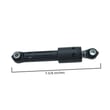
| Loud vibration even when level | Suspension/dampening | Shock absorber dc66-00470a |
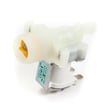
| Won’t fill or fill errors | Inlet valve, inlet screens | Washer water inlet valve DC62-30314K |
Samsung washers often display an information code that points to the system involved (motor, fill, suds, etc.). For code-based troubleshooting, use Samsung front load washer error codes.
Spin, drain, and vibration problems can cause repeated cycle interruptions, poor cleaning, and extra wear on the tub and suspension. Catching a clogged screen or a failing drain pump early helps prevent bigger repairs.
Last updated: February 2026
What is the life expectancy of a Samsung washing machine?
A Samsung washing machine typically lasts 10 to 15 years. For the Samsung WF350ANP, lifespan depends most on how often it’s used, how well it’s maintained, and whether wear parts (like the drain pump or shocks) are replaced when symptoms first show up. See the WF350ANP owner's manual for model-specific care and usage guidance.
Most front-load washers reach the end of their practical life because of repeated leaks, vibration damage, or drive and drain issues, not because the cabinet “wears out.”
Common factors that shorten life:
- Frequent overloading or consistently unbalanced loads
- Using too much detergent (excess suds stresses bearings and drainage)
- Letting moisture sit in the door boot (mildew, odors, seal damage)
- Ignoring early vibration or banging (can damage tub and suspension)
- Hard water buildup affecting valves and internal hoses
These habits reduce strain on the motor, tub, and drain system:
- Leave the door slightly open between loads so the door boot can dry
- Run periodic tub-clean cycles (or a hot cycle with an approved washer cleaner)
- Check pockets for coins, pins, and screws before washing
- Level the washer and re-check leveling if vibration increases
- Clean the drain pump filter if your setup allows it (or follow the manual’s method)
When a washer is otherwise in good shape, replacing a few common parts often restores performance.
| Symptom | Likely area | Example part on this model page |
|---|---|---|
| Won’t drain, stops mid-cycle | Drain system | Washer drain pump DC31-00054D |
| Loud banging, excessive shaking | Suspension | Shock absorber dc66-00470a |
| Won’t fill or fills slowly | Water inlet | Washer water inlet valve DC62-30314K |
| Leaks at the door, moldy smell | Door seal/clamps | Washer door boot DC64-00802C |
Knowing the typical 10 to 15 year lifespan helps you decide whether a repair is a smart investment. If your WF350ANP is within that range and the issue is isolated (drain, fill, or vibration), a targeted repair is often the most cost-effective path.
Last updated: February 2026