Owner’s manual
 Error Codes


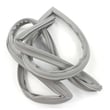
Do you remove cardboard from the bottom of a Whirlpool refrigerator?
No. On a Whirlpool GX5SHDXVA00 bottom-mount refrigerator, the cardboard or fiberboard panel at the bottom rear is a protective cover and should stay in place during normal use; it helps direct airflow and shields components like the condenser area and wiring.
What cardboard you should not remove
In most bottom-mount refrigerators, that “cardboard” is an engineered access cover, not packing material.
- Leave the rear lower cover installed (even if it looks like cardboard)
- Keep screws/clips in place so the panel sits flat
- Vacuum dust from the condenser area without tearing the panel
- Make sure the refrigerator has proper clearance for airflow (per the owner's manual)
What you can remove (common exceptions)
Some shipping materials are meant to come off after installation. Use this quick check:
| Material | Where you’ll see it | Remove it? | Why |
|---|---|---|---|
| Shipping tape/film | Doors, shelves, drawers | Yes | Prevents residue and sticking |
| Foam blocks/spacers | Inside compartments | Yes | Prevents rattles and restricted airflow |
| Cardboard/fiberboard access cover | Bottom rear of cabinet | No | Protects parts and supports airflow |
Why it matters
That lower cover helps the refrigerator cool efficiently. Removing it can increase dust buildup on the condenser, reduce airflow, and make the unit run longer and warmer.
If you already removed it
- Reinstall the panel so it seals against the cabinet edges
- Clean the condenser area while you have access
- If the panel is damaged, replace it with the correct model-specific cover from the GX5SHDXVA00 parts list
Last updated: February 2026
What are the disadvantages of a bottom freezer refrigerator?
Bottom-freezer refrigerators like the Whirlpool GX5SHDXVA00 keep fresh food at eye level, but the tradeoffs are mostly in the freezer area: you use a pull-out drawer, you may have less “quick grab” access to frozen items, and the drawer hardware can see more wear over time. For model-specific use and care details, use the owner's manual.
Common downsides you may notice
- More bending for frozen foods: You still have to crouch or bend to reach items in the bottom drawer.
- Heavier freezer drawer: A fully loaded drawer can feel heavy to open and close.
- Organization can be trickier: Deep baskets can hide items underneath unless you use bins.
- Potentially higher purchase and repair costs: Bottom-freezer designs often have more complex door and drawer assemblies.
- More wear on seals and alignment: Frequent drawer use can contribute to gasket gaps or door alignment issues.
What tends to wear first (and what it affects)
If the freezer drawer is hard to open, doesn’t seal well, or you see frost buildup, these areas are commonly involved:
| Symptom | What it can lead to | Common area to check first |
|---|---|---|
| Drawer feels heavy or drags | Misalignment, poor sealing | Drawer slides/rollers and door alignment |
| Frost in freezer or around door | Longer run times, temperature swings | Door seal and closing alignment |
| Warm freezer, fresh food warms too | Poor airflow, icing issues | Evaporator area and defrost system |
For door-seal related problems, our how to fix a fridge door seal guide walks through cleaning, reshaping, and checking for gaps.
Why it matters
A bottom-freezer layout is great for everyday refrigerated items, but freezer access and drawer sealing are critical. When the drawer doesn’t close smoothly or seal tightly, you can get frost, inconsistent temperatures, and higher energy use.
Last updated: February 2026
What is the bottom part of a refrigerator called?
On a Whirlpool GX5SHDXVA00 bottom-mount refrigerator, the “bottom part” most people mean is the compressor compartment (the machinery area near the floor). The main component there is the compressor, along with related cooling-system parts and airflow components.
What you’ll typically find at the bottom
Depending on the exact design, the lower rear area commonly includes:
- Compressor (pumps refrigerant through the sealed system)
- Condenser coil (releases heat from the refrigerant)
- Condenser fan (moves air across the condenser coil)
- Drain pan (catches defrost water for evaporation)
- Electrical/control components and wiring
If you’re identifying parts by location and diagram, use the owner's manual for your GX5SHDXVA00.
Common “bottom area” parts for this model
These are examples of parts on this model that relate to the lower machinery area or cooling system:
| What you’re looking at | What it does | Example part on this model |
|---|---|---|
| Sealed-system pump | Circulates refrigerant | Refrigerator compressor W10160407 |
| Heat-releasing coil | Dumps heat to room air | Refrigerator condenser coil WP67006131 |
| Water collection tray | Collects defrost water | Pan, drain 1 WP12579803 |
Why it matters
Knowing the correct name helps you troubleshoot symptoms accurately. For example, a warm fridge with a hot, running compressor points you toward airflow or defrost issues, while clicking or repeated start attempts can point toward compressor start components or a sealed-system problem.
Quick tips to describe what you see
Use these cues to match the right term:
- Black round canister near the floor: compressor
- Radiator-like tubing underneath or behind: condenser coil
- Shallow plastic tray under the unit: drain pan
- Fan noise from the bottom rear: condenser fan area
Last updated: February 2026