Owner’s manual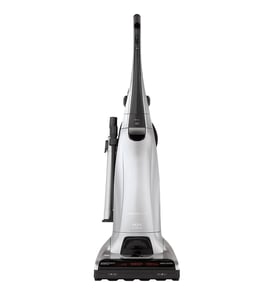

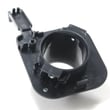
How to replace bag in Kenmore vacuum?
To replace the bag in your Kenmore 11635922500 upright vacuum, open the dust cover, remove the disposable dust bag, and install a new bag so it seats fully on the bag holder. A correctly installed bag restores airflow and helps prevent clogs.
Step-by-step: replace the dust bag
- Unplug the vacuum.
- Open the dust cover (bag compartment).
- Pull the disposable dust bag straight off the bag holder/collar.
- Slide the new bag onto the holder until it fits snugly and evenly.
- Tuck the bag into the compartment so it does not pinch.
- Close the dust cover securely.
Quick checks that prevent suction problems
- Replace the bag when it looks full or suction drops.
- If the airflow/performance indicator light comes on, check the bag first.
- Make sure the bag opening is fully seated on the holder (no gaps).
- Confirm the dust cover closes completely; a loose cover can leak air.
- If suction is still weak, check the motor safety filter and exhaust filter for dirt.
What to do if the performance indicator light is on
When airflow is blocked, the indicator can turn on. Start with the bag and filters, then check common clog points like the hose and attachments.
| Symptom | Most common cause | What we do first |
|---|---|---|
| Poor suction | Full/incorrectly installed bag | Replace and reseat bag |
| Indicator light on | Airflow restriction | Check bag, then filters |
| Vacuum sounds louder | Restricted airflow | Check bag and clog points |
Why it matters
A full or mis-seated dust bag restricts airflow, which reduces cleaning performance and can increase noise and heat. Keeping the bag and filters maintained helps the vacuum run at normal airflow.
For model-specific diagrams and the exact bag replacement procedure, use the 11635922500 owner’s manual.
Last updated: February 2026
Is Kenmore still a good vacuum?
Yes. Kenmore vacuums are still a good choice for many homes because they typically deliver strong cleaning performance and practical features for the price. For the Kenmore upright vacuum model 11635922500, keeping airflow and filters maintained is what preserves suction and day-to-day performance (which is what most people mean by “good”).
What “good” means for the Kenmore 11635922500
A vacuum can be a great cleaner but feel “not so good” if airflow is restricted or settings are mismatched. This model includes features designed to keep cleaning consistent, such as an airflow performance indicator and automatic power selection.
- Use the right floor setting (carpet, gentle, floor) for the surface.
- Watch the performance indicator; if it lights, airflow is blocked.
- Replace the disposable dust bag before it gets overfull.
- Clean or replace filters on schedule.
- Clear clogs in the hose, nozzle, or internal air path.
Quick performance checklist (most common causes of “bad vacuum” complaints)
| Symptom | Most likely cause | What to do first |
|---|---|---|
| Weak suction | Full bag or clogged airflow | Check bag, then follow clog removal steps in the manual |
| Indicator light on | Blocked airflow | Inspect bag, motor safety filter, and common clog points |
| Poor carpet pickup | Wrong agitator setting | Use carpet setting for most carpets; use gentle for berber/delicate |
| Loud operation | Restriction or high power mode | Check for clogs; confirm settings and attachments |
Features that help it clean well (when maintained)
- Performance indicator: Light stays off with normal airflow; it turns on when airflow becomes blocked.
- inteliCLEAN: Automatically adjusts cleaning power (medium for everyday pickup, higher for heavier dirt).
- Two-speed direct drive agitator: Helps match brush action to carpet vs. delicate surfaces.
Why it matters
Most “vacuum quality” issues come from maintenance and setup, not the brand name. When airflow is clear and the correct floor setting is used, the Kenmore 11635922500 is built to deliver strong, consistent cleaning.
For model-specific operating steps, settings, and maintenance intervals, use the Kenmore 11635922500 owner’s manual.
Last updated: February 2026
Who is making Kenmore vacuums now?
Kenmore is a brand name used on vacuums made by different manufacturers over time. For your Kenmore upright vacuum model 11635922500, the most reliable way to identify the manufacturer and supported service details is to match the model and serial information to the documentation in the 11635922500 owner's manual.
What “Kenmore” means for vacuum manufacturing
Kenmore-branded vacuums have historically been produced by multiple OEM manufacturers (the company that actually builds the product). That is normal for Kenmore products, and it means the maker can vary by model series and production year.
Common outcomes you will see:
- The same Kenmore model family can have different internal designs across years.
- Parts compatibility depends on the exact model number and revision.
- Service procedures are best confirmed using the model-specific manual.
How to identify the maker for your exact vacuum
Use these steps for model 11635922500:
- Locate the model and serial number plate on the vacuum.
- Confirm the model number matches 11635922500 exactly.
- Use the manual’s “Requesting Assistance or Service” and warranty sections to align support channels.
- Keep your purchase date and serial number handy for parts lookups.
Quick checklist
| What to check | Where to find it | Why it matters |
|---|---|---|
| Model number | Model/serial plate | Confirms the exact design and parts set |
| Serial number | Model/serial plate | Helps identify production run |
| Purchase date | Receipt or records | Impacts warranty coverage |
Why it matters
The manufacturer behind a Kenmore vacuum affects which parts fit (bag type, filters, brush/agitator components) and which troubleshooting steps apply. Using the correct model documentation prevents ordering the wrong vacuum cleaner parts.
Last updated: February 2026
Why is my Kenmore vacuum brush roller not spinning?
On Kenmore upright vacuum model 11635922500, the brush roller (agitator) usually stops spinning because the floor setting is on FLOOR (brush off), the brush is jammed with debris, airflow is restricted, or the agitator motor overload protector has tripped on thick carpet or a rug.
Quick checks (most common fixes)
- Unplug the vacuum.
- Set the touch control to CARPET (high) or GENTLE (low); FLOOR turns the agitator off.
- Remove hair, string, and threads from the brush roller and end caps.
- Check for a jam at the nozzle opening (socks, rug fringe, large debris).
- If the brush stopped on thick carpet or an area rug, move to a hard floor and restart to let the overload reset.
- If the performance indicator light is on, clear clogs and replace the dust bag or clean the motor safety filter.
Settings that stop the brush (model-specific)
This model uses a two-speed, direct drive agitator:
| Touch control setting | Brush/agitator | Best for |
|---|---|---|
| CARPET | High speed | Most carpets, normal pickup |
| GENTLE | Low speed | Berber or delicate pile |
| FLOOR | Off | Wood, tile, vinyl, other bare floors |
If it still will not spin
- With the vacuum unplugged, try turning the brush by hand. It should rotate without binding.
- If it binds, re-check for wrapped debris and inspect the brush ends for packed hair.
- If it turns freely but will not run in CARPET or GENTLE, the issue is typically in the nozzle drive system (direct-drive components) or the agitator motor/protector circuit.
Why it matters
A non-spinning brush roller reduces carpet cleaning and can cause overheating or repeated overload trips, especially when airflow is also restricted by a full bag, dirty filter, or clog.
For the exact touch-control operation, performance indicator behavior, and overload protector guidance, follow the 11635922500 owner's manual.
Last updated: February 2026
How to find Kenmore vacuum model number?
Your Kenmore vacuum model number is printed on the model and serial number plate on the vacuum body. On Kenmore model 11635922500, check the back or bottom of the vacuum (often near the wheels, base, or bag/dust compartment area), then record the full model and serial numbers for parts lookup and service.
Where to look on a Kenmore upright vacuum
Most Kenmore uprights place the model/serial plate in one of these spots:
- Back of the vacuum body near the lower base
- Bottom of the vacuum (tip it back and look underneath)
- Inside the bag cover or dust compartment door
- Near the rear wheels or behind the hose connection area
- On the main body behind the handle release area
For the exact plate location and how it is labeled, use the 11635922500 owner's manual.
What the model number looks like (and why it matters)
Kenmore vacuum model numbers are typically a long numeric string. Many Kenmore vacuums also use a 3-digit prefix that helps identify the manufacturer family.
Quick reference
| What you see | What it means | What to do with it |
|---|---|---|
| Model number (example format: 116.xxxxxxxx) | Identifies the exact vacuum design | Use it to match parts and diagrams |
| Serial number | Identifies your specific unit | Keep it for warranty and service |
| Prefix (example: 116) | Kenmore source/manufacturer family | Helpful when comparing similar models |
Tips to avoid common mix-ups
- Write down the full model number exactly as shown (all digits, no spaces).
- Do not use numbers from the bag, filter, or accessory packaging; those are part numbers.
- If the label is worn, take a clear photo and zoom in to confirm each digit.
Why it matters
Parts such as the dust bag, filters, belt, and brush roll can vary by revision. Using the complete model number (like 11635922500) ensures we match the correct Kenmore upright vacuum parts the first time.
Last updated: February 2026
What are the parts of the vacuum?
For Kenmore upright vacuum model 11635922500, the main parts include the motor and motor protector (creates suction and helps prevent damage), dust bag and dust bag cover (collects debris), filters (trap fine dust), and the floor nozzle components like the agitator/brushroll and pile height adjustment (lifts dirt from carpet). See the 11635922500 owner's manual for the full parts and features diagram.
Main parts you will see on this model
These are the most common components called out in the manual:
- Motor: powers airflow (suction)
- Motor protector (behind hose): helps protect the motor if airflow is blocked
- Dust bag and dust bag cover: holds collected dirt and debris
- Exhaust filter (EF-1): helps reduce dust in exhaust air
- Agitator (brushroll): loosens dirt from carpet fibers
- Pile height adjustment: sets brush height for different carpet types
- Hose, telescopic wand, and tools: extend reach for above-floor cleaning
Attachments and where they fit
Most upright vacuums like this Kenmore use a hose and wand system for edges, furniture, and tight spaces.
| Attachment | What it’s for | Typical use area |
|---|---|---|
| Crevice tool | Tight gaps and corners | Baseboards, between cushions |
| Furniture nozzle | Upholstery pickup | Sofas, chairs, stairs |
| Combination brush | Dusting and light pickup | Blinds, vents, shelves |
| Telescopic wand | Extra reach | Ceilings, under furniture |
Why these parts matter
When suction drops or cleaning performance changes, the cause is usually in one of three areas: airflow (filters, bag, hose), agitation (agitator/height setting), or power/control (motor, cord, touch controls). Knowing the part names makes troubleshooting and ordering the right replacement much faster.
Quick safety and care reminders
We follow the same safety basics shown in the manual:
- Unplug the vacuum before checking the hose, filters, or agitator area.
- Keep openings clear of dust, lint, and hair to maintain airflow.
- Do not use the vacuum on burning or smoking items.
- Do not pick up flammable or combustible liquids.
Last updated: February 2026
How much does a Kenmore 11635922500 weight?
The Kenmore upright vacuum model 11635922500 is a full-size upright; most Kenmore uprights in this class weigh about 15 to 20 lb depending on the brushroll, handle, and onboard tools. For the exact weight for your unit, use the specifications section in the 11635922500 owner's manual.
Typical weight range (what to expect)
- 15 to 17 lb: lighter uprights with fewer onboard tools
- 17 to 20 lb: common for full-size uprights with a motorized brushroll
- 20 lb+: heavier builds, larger motors, or extra features
| Weight range | What it feels like | Best handling tip |
|---|---|---|
| 15 to 17 lb | easier to carry and lift | use the carry handle for stairs |
| 17 to 20 lb | stable on carpet, moderate lift effort | keep the cord wrapped before lifting |
| 20 lb+ | more effort on stairs and tight spaces | store on the main floor if possible |
How to confirm the correct weight for your vacuum
- Check the specifications or product data section in the manual
- Look for a label on the vacuum body that lists ratings/specs
- Weigh it at home using a bathroom scale (weigh yourself, then weigh yourself holding the vacuum; subtract)
Why it matters
Weight affects day-to-day use: carrying up stairs, pushing on thick carpet, and how stable the vacuum feels when using attachments.
Last updated: February 2026