Owner’s manual
 View engine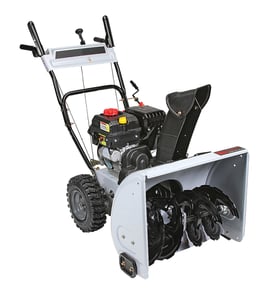




How many years should a snowblower last?
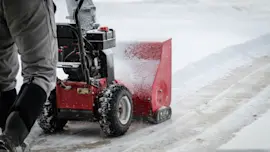
A gas snow blower like the Craftsman C950-52930-0 typically lasts 15 to 20 years with normal residential use and consistent maintenance. The biggest life-extenders are correct oil care, keeping fuel from gumming the carburetor during storage, and preventing rust and ice damage (see the owner's manual).
Most snowblowers fail early from neglected maintenance, stale fuel, or running with low oil. Use this as a practical guide:
| Situation | Typical lifespan | What usually ends it |
|---|---|---|
| Regular maintenance, stored correctly | 15 to 20 years | Wear items (belts, friction drive parts), corrosion |
| Light use, inconsistent maintenance | 10 to 15 years | Fuel system issues, poor lubrication |
| Heavy use (frequent storms, long run times) | 8 to 12 years | Accelerated wear, drivetrain and auger wear |
These are the highest-impact habits for a Craftsman gas snowblower:
- Check oil before every start and keep it at the safe level.
- Change oil on schedule; your manual lists an oil capacity of 26 oz (0.77 L) of 5W-30.
- Run at full throttle while blowing snow and control performance with ground speed (not the throttle).
- Clear packed snow and ice after each use to prevent binding and corrosion.
- Inspect auger and impeller for debris or ice before starting.
- Store it correctly for 30+ days: run the tank empty and drain the carburetor bowl to prevent gum deposits.
Correct storage is the difference between a snowblower that starts next winter and one that needs carburetor work.
- Run the engine until it stops from lack of fuel
- Drain remaining fuel from the carburetor bowl drain
- Remove snow and ice buildup from the machine
- Lubricate key moving points per the owner's manual
A snowblower is a seasonal machine; most of its “aging” happens while it sits. Preventing fuel varnish, keeping oil protection in place, and avoiding rust lets the engine and auger system deliver full performance for decades.
Last updated: February 2026
Is it worth fixing a snowblower?
Yes, it’s worth fixing a snowblower when the repair is a normal wear item or adjustment and the machine is otherwise solid. For a Craftsman snow blower model C950-52930-0, routine maintenance and common fixes (belts, cables, skid adjustment, tune-up parts) typically cost far less than replacing the whole unit.
Use these checkpoints before you spend money:
- Starts and runs strongly at full throttle: this model is designed to run at full throttle for best performance.
- Problem is isolated (slipping drive, poor throwing, hard starting) rather than multiple systems failing.
- No repeated breakdown pattern: one new issue after years of use is normal; constant failures are not.
- Parts and labor are reasonable: if the repair total is under about half the cost of a comparable new snowblower, repair is the better value.
- You can complete the repair safely using the owner's manual.
These are usually straightforward and restore performance quickly:
- Drive or auger belt wear or stretching
- Skid shoe and scraper bar height needing adjustment (important for gravel drives)
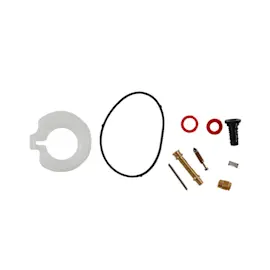
- Spark plug fouling, stale fuel, or basic carburetor cleaning
- Chute control needing adjustment
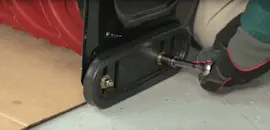
- Lubrication needs (hex shaft, wheels, auger shaft)
A good DIY starting point is how to replace a snowblower belt video if your unit moves poorly or the auger stops under load.
Repairs stop being a good investment when you see one or more of these:
- Major engine damage (low compression, heavy smoking, metal noise)
- Gear case or transmission-type failures that require extensive teardown
- Severe rust or structural damage to the frame/auger housing
- Multiple expensive problems at once (engine + drive + auger system)
| Situation | Typical outcome | Best choice |
|---|---|---|
| Belt, cable, skid adjustment, tune-up | Restores normal operation | Repair |
| Starts poorly due to fuel/plug | Low-cost fix | Repair |
| Gear case or major engine work | High cost, long downtime | Replace |
A properly running snowblower clears best when you manage ground speed and keep the engine at full throttle; if you replace wear parts and keep up with oil checks, you get stronger throwing performance and fewer mid-storm failures.
If you decide to repair, you can order model-matched parts from the parts list for C950-52930-0, or search by model on Sears PartsDirect.
Last updated: February 2026
How to tell if a snowblower auger belt is bad?
On our Craftsman C950-52930-0 gas snow blower, a bad (or effectively failing) auger drive belt shows up as poor or no snow discharge even though the engine runs; the belt is typically loose, slipping, cracked, frayed, glazed, or heat-damaged. Use the belt inspection and deflection check in the owner's manual.
- Auger does not turn, turns slowly, or stops under load
- Snowblower runs but fails to discharge snow
- Burning rubber smell or visible heat marks near the belt cover area
- Belt looks cracked, frayed, shiny (glazed), or has exposed cords
- Belt feels loose and does not maintain proper tension when the auger clutch is engaged
The manual’s belt adjustment procedure is the fastest way to confirm a “bad” belt versus a simple adjustment issue.
- Shut the engine off and disconnect the spark plug wire
- Remove the belt cover
- With the auger clutch engaged, check belt deflection on the belt span opposite the idler pulley
- Target deflection is about 1/2 inch (12.5 mm) with moderate finger pressure
If you cannot achieve correct tension with adjustment, or the belt shows damage, replace the auger drive belt.
| Symptom | Most likely cause | What we do next |
|---|---|---|
| No snow discharge | Auger belt loose or damaged | Inspect belt condition and deflection; adjust or replace |
| No snow discharge but belt seems OK | Auger control cable out of adjustment | Adjust the auger control cable per the manual |
| Auger stops suddenly after hitting packed snow/ice | Shear bolt broken | Replace the shear bolt and clear the housing |
A slipping auger belt reduces impeller speed, so the machine cannot throw snow effectively. Continuing to run it can overheat the belt, accelerate wear on pulleys and idlers, and turn a simple adjustment into a bigger repair.
- Clear the discharge chute and auger housing after each use to prevent freeze-up and jams
- Recheck belt and cable adjustments at least once each season (and after early break-in hours)
- If you need fasteners during service, match what your unit uses; the parts list for this model includes items like the screw 33329H
- For step-by-step belt service visuals, use how to replace a snowblower belt video
Last updated: February 2026
How to tell the year of a Craftsman snowblower?
To tell the year of a Craftsman snowblower, we use the model and serial number from the ID label and decode the date format used by the company that built the unit or engine. For Craftsman model C950-52930-0, start by recording the full serial number and checking the identification guidance in the C950-52930-0 owner's manual.
The model and serial tag is typically on the snowblower frame; engine numbers are on the engine shroud.
- Check the rear of the frame near the handles
- Look along the side of the frame near the wheels
- Check the engine shroud for engine model and code numbers
- Wipe the tag clean so every character is readable
- Take a photo for reference before ordering parts
Use the snowblower serial number first; then use the engine code as a cross-check.
| Number you use | Best for | Notes |
|---|---|---|
| Frame serial number | Snowblower build year | Most accurate for the machine itself |
| Engine model/code | Engine build year | Can differ if the engine was replaced |
- Write down the full model and serial exactly as shown
- Compare the serial format (all digits vs. letters plus digits)
- Use the manual’s identification and parts information to confirm you are matching the correct version
The build year helps us match the correct Craftsman parts and specs for C950-52930-0, especially for wear items and tune-up details.
If you are replacing missing hardware during inspection, match the exact location in the diagrams before ordering items like the screw 33329H. You can also search by the full model number on Sears PartsDirect.
Last updated: February 2026
Is Craftsman a good snowblower brand?
Yes. Craftsman snowblowers are a good, value-focused choice for most homeowners who clear typical driveway and sidewalk snow. With the Craftsman C950-52930-0, reliability and performance come from correct adjustments, seasonal maintenance, and using the right parts listed in the C950-52930-0 owner's manual.
Craftsman machines are built for practical residential use; they do best when the drive and auger systems are maintained and lubricated.
- Strong performance in routine snowfall when belts and controls are adjusted correctly
- Straightforward mechanical design that is usually DIY-friendly
- Wear items (belts, skid shoes, shear pins, scraper bar) need periodic replacement
These steps prevent most “brand” complaints that are actually upkeep issues.
- Use fresh fuel and correct winter oil; change oil on schedule
- Check the spark plug and replace it when starting becomes inconsistent
- Lubricate moving points (hex shaft, wheels, auger shaft) before and during the season
- Inspect belts for glazing, cracking, or stretching; replace when worn
- Re-tighten fasteners after early-season use
DIY help we recommend:
- How to make your snowblower last longer
- How to replace a snowblower belt video
- How to lubricate a snowblower drive hex shaft video
| Your snow conditions | Craftsman is a good fit when | Consider a heavier-duty setup when |
|---|---|---|
| Typical residential | 2 to 10 inches is common | Heavy, wet, icy snow is frequent |
| Plow berms | You clear them occasionally | You clear large berms every storm |
| DIY upkeep | You do seasonal checks | You want minimal maintenance involvement |
Match parts by the C950-52930-0 diagrams to avoid ordering the wrong item. For electric starter service, this model’s parts list includes items like the screw 33329H. You can also search by model number on Sears PartsDirect.
A well-maintained Craftsman snowblower throws farther, drives smoother, and starts more reliably; most long-term satisfaction comes from lubrication, belt condition, and correct control adjustments.
Last updated: February 2026