
How to fix a clogged Bissell vacuum?
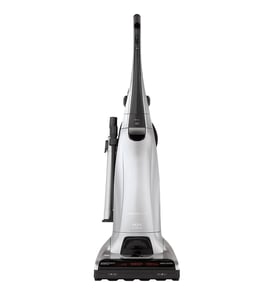
A clog in your Bissell 3576-6 CleanView II bagless upright vacuum is usually in the hose, wand, floor nozzle, or the air path under the bottom cover. Clearing the blockage and cleaning the filters restores airflow and normal suction.
- Unplug the vacuum.
- Empty the dirt cup and check the inlet where the cup connects to the body.
- Remove the hose and wand; push a broom handle or flexible cleaning brush through to dislodge debris.
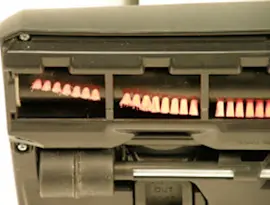
- Flip the vacuum over and inspect the floor nozzle opening for hair, socks, or packed lint.
- If your model has a bottom plate, remove the screws, lift the cover, and clear the air passageway.
- Reassemble tightly; even a small air leak can reduce suction.
| Area to check | Common blockage | What you’ll notice |
|---|---|---|
| Hose bend near the base | Hair and carpet fuzz | Suction drops suddenly |
| Wand/tube | Small toys, paper | Whistling or high-pitch sound |
| Floor nozzle throat | Socks, large debris | Brush area looks packed |
| Dirt cup inlet | Dust “cake” | Dirt cup empties but pickup is poor |
- Wash or replace washable filters (let them dry fully before reinstalling).
- Cut hair off the brush roll and end caps if accessible.
- Check for cracks in the hose and confirm all latches and seals are seated.
A partial clog makes the motor work harder, reduces cleaning performance, and can cause overheating shutoffs. Keeping the air path and filters clean protects suction and extends the life of the vacuum.
For more DIY safety basics before opening the vacuum, use are diy appliance repairs safe.
Last updated: February 2026
How long does Bissell 3576-6 last?
A Bissell 3576-6 CleanView II bagless upright vacuum typically lasts about 5 to 8 years with normal home use and basic maintenance (filters kept clean, clogs cleared, and the brush roll kept free of hair). Heavy use and poor airflow maintenance shorten lifespan.
- Light use (1 to 2 times/week): 7 to 10 years
- Average use (2 to 4 times/week): 5 to 8 years
- Heavy use (daily, large homes, lots of pet hair): 3 to 6 years
Most “end of life” issues on uprights like the Bissell 3576-6 come from airflow loss or drive/agitator wear. Watch for these common wear points:
- Filters loading up (reduced suction, hotter motor)
- Hose or nozzle clogs (whistling, poor pickup)
- Brush roll bristles worn down (leaves debris behind)
- Belt slipping or breaking (brush stops spinning)
- Cracked hoses or loose seals (air leaks)
- Empty the dirt cup before it gets packed.
- Clean or replace filters on schedule (a clogged filter is the fastest way to stress the motor).
- Check the hose and base for clogs whenever pickup drops.
- Cut hair and string off the brush roll regularly.
- Keep the vacuum’s air path dry; never vacuum wet debris.
| Symptom | Most likely cause | Best next step |
|---|---|---|
| Suction is weak | Clog or dirty filter | Clear clogs; service filters |
| Brush not spinning | Belt or brush roll issue | Inspect belt/brush roll |
| Burning smell | Belt slip or blockage | Stop use; check for jams |
| Loud grinding | Brush roll bearings or debris | Clean brush roll; inspect bearings |
A bagless upright like the Bissell 3576-6 relies on steady airflow to keep the motor cool. When filters clog or the nozzle gets blocked, the motor runs hotter and wears out faster, cutting years off the vacuum’s life.
For help confirming you have the exact model before ordering maintenance items, use how to find your appliance model number (and what it means for parts).
Last updated: February 2026
Why is my Bissell not suctioning?
If your Bissell 3576-6 CleanView II bagless upright vacuum has little or no suction, the cause is almost always a blockage, an air leak, or a full or incorrectly installed dirt container or filter. Restoring airflow through the hose, cyclone, and brush path typically brings suction back.
- Empty the dirt container and reinstall it firmly so it seals.
- Clean or replace the pre-motor filter (a clogged filter is the most common suction killer).
- Check the hose and wand for a clog (coins, hair clumps, socks).
- Inspect the floor nozzle and brush roll area for packed debris.
- Look for cracked hoses or gaps where the dirt container meets the body.
- Make sure the height setting is correct for your carpet or hard floor.
- Unplug the vacuum.
- Dirt container and cyclone: empty, wipe seals, and confirm the container latches fully.
- Filters: wash reusable filters (if applicable) and let them dry completely before reinstalling.
- Clog isolation: remove the hose and check suction at the vacuum inlet; then check suction at the hose end.
- Nozzle path: clear the intake channel behind the brush roll and any bends where debris collects.
| Symptom | Most likely cause | What to do |
|---|---|---|
| Loud pitch change, weak pickup | Clog in hose/nozzle | Clear hose, wand, and nozzle channel |
| Normal sound, poor pickup on carpet | Wrong height or brush roll jam | Adjust height; clear brush roll area |
| Dust blows out, suction inconsistent | Filter clogged or seal leak | Clean/replace filter; reseat container |
| No suction anywhere | Major blockage or motor issue | Check inlet for blockage; if clear, motor may need service |
Low suction makes the motor work hotter and longer, and it leaves dirt behind. Keeping filters clean and airflow clear helps your Bissell 3576-6 maintain strong pickup and protects the vacuum’s motor.
For help confirming you have the correct model before ordering maintenance items, use how to find your appliance model number (and what it means for parts).
Last updated: February 2026