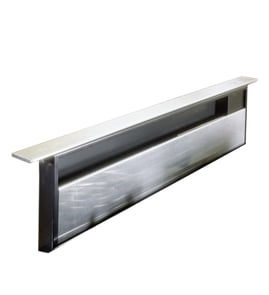



How to clean a KitchenAid downdraft vent?
To clean your KitchenAid downdraft vent system model KIRD861HSS0, we recommend shutting power off first, then removing the vent grate and washing the grease filter with hot water and mild detergent (or in the dishwasher if it is dishwasher-safe). Reinstall the filter only after it is fully dry.
Step-by-step cleaning (routine maintenance)
- Turn the downdraft vent off; let all surfaces cool.
- Remove cooktop grates (if they block access), then lift off the vent grate.
- Lift out the grease filter and check for heavy grease buildup.
- Wash the filter in a sink with hot water and degreasing dish soap; rinse well.
- Dry completely, then reinstall the filter and vent grate.
What to clean, and how often
| Area | What to do | Typical frequency |
|---|---|---|
| Grease filter | Wash and dry thoroughly | Every 2 to 4 weeks (more often with frequent frying) |
| Vent grate | Wipe with warm, soapy water; dry | Weekly |
| Vent chamber lip | Wipe residue; avoid dripping water into wiring | Monthly |
| Stainless surfaces | Use a stainless cleaner and wipe with the grain | As needed |
When cleaning is not enough (common symptoms)
- Vent seems weak: filter is still clogged or installed incorrectly.
- Rattling or vibration: filter or grate is not seated flat.
- Grease smell persists: grease film remains on the grate or in the chamber.
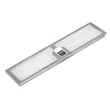
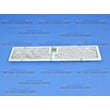
If your filter is damaged, bent, or will not come clean, replace it with the exact match for this model, such as the cooktop downdraft vent grease filter WPW10396091.
Why it matters
A clean grease filter keeps airflow strong, reduces grease buildup inside the air box and blower area, and helps your KitchenAid downdraft vent run quieter and more efficiently.
Last updated: January 2026
Do downdraft vents need to be vented outside?
A KitchenAid downdraft vent like model KIRD861HSS0 does not strictly need to vent outside, but venting outdoors delivers the best smoke and odor removal. If outside ducting is not possible, many downdraft setups can be configured to recirculate air back into the kitchen using filtration.
Best option: vent outside (recommended)
Venting outdoors moves heat, moisture, grease, and cooking odors out of the home, so the blower works more effectively and the kitchen stays cleaner.
- Better capture and removal of smoke and odors
- Less grease buildup on cabinets and walls
- Helps reduce lingering cooking smells
- Typically quieter at the cooktop because air is not forced through extra filtering
When recirculating can make sense
Recirculating (ductless) configurations are common when an exterior wall or roof run is impractical (for example, some island or interior-wall kitchens). In a recirculating setup, airflow is filtered and returned to the room, so it controls grease better than odors.
- Works when outside duct routing is not feasible
- Requires consistent filter cleaning and replacement
- Odor removal is limited compared to outdoor venting
What to check before deciding
Use this quick checklist to choose the right configuration for your kitchen.
| Item to evaluate | Vent outside | Recirculate |
|---|---|---|
| Best odor removal | Yes | No |
| Best moisture removal | Yes | No |
| Easiest long-term maintenance | Yes | No |
| Works without exterior duct | No | Yes |
- Duct path length and number of elbows (shorter and straighter performs better)
- Where the duct can terminate (wall or roof cap)
- Local code requirements for kitchen ventilation
- Your cooking style (high-heat searing benefits most from outdoor venting)
Why filter condition matters either way
Even with outdoor venting, a clogged grease filter restricts airflow and makes the downdraft seem weak. Keeping the filter clean is one of the fastest ways to restore performance.
- Wash or replace the grease filter on a regular schedule
- If airflow drops suddenly, inspect the filter first
- For a correct-fit replacement, use the model-matched part such as the cooktop downdraft vent grease filter WPW10396091
Last updated: January 2026
Does downdraft cooktop ventilation work?
Yes, downdraft cooktop ventilation works well for everyday cooking on your KitchenAid KIRD861HSS0 when it is installed correctly, ducted properly, and kept clean. It captures smoke and odors at the cooktop level, but it is less effective than an overhead hood for tall pots, heavy searing, and high-heat wok-style cooking.
What downdraft ventilation does best
- Helps in kitchens where an overhead hood is not practical (islands, open sightlines)
- Pulls steam, smoke, and odors down and away from the cooking surface
- Works well for light to moderate cooking loads
- Keeps a low visual profile compared to many range hoods
Common limitations (and how to reduce them)
Downdraft systems fight natural heat and smoke rise, so performance depends heavily on airflow and maintenance.
- Use the highest fan speed before you start cooking (capture is better early)
- Keep the grease filter clean so airflow stays strong
- Minimize cross drafts (open windows, ceiling fans) that push smoke away from the intake
- For tall stockpots, shift the pot closer to the intake when possible
- If you do frequent high-heat searing, consider using a rear burner position more often
Maintenance that directly affects performance
A clogged grease filter is one of the most common reasons a downdraft “doesn’t work.” For KIRD861HSS0, replacing a damaged or heavily loaded filter restores airflow and reduces odors.
- Inspect the filter monthly if you cook often
- Clean the filter when you see visible grease buildup
- Replace the filter if it is bent, torn, or will not come clean
Helpful part for this model: cooktop downdraft vent grease filter WPW10396091
Quick comparison: downdraft vs overhead hood
| Feature | Downdraft vent | Overhead hood |
|---|---|---|
| Best for | Light to moderate cooking | Frequent high-heat cooking |
| Tall pots performance | Fair | Strong |
| Kitchen sightlines | Excellent | Varies |
| Maintenance impact | High (filter cleanliness matters) | Moderate to high |
Why it matters
Good ventilation protects cabinets and walls from grease film, reduces lingering odors, and helps keep indoor air more comfortable during cooking. Keeping airflow strong (clean filter, clear ducting) is the biggest factor in real-world results.
Last updated: January 2026
Why is my KitchenAid downdraft vent not working?
If your KitchenAid KIRD861HSS0 downdraft vent is not working, the most common causes are a power supply problem, a failed switch, or a failed blower motor. We recommend checking airflow restrictions first, then verifying the switch and motor are getting power before replacing parts.
Quick checks first (no parts needed)
- Make sure the vent is fully raised (if your setup is retractable) and not binding.
- Clean the grease filters; heavy grease buildup can restrict airflow and make the vent seem “dead.”
- Check for a tripped breaker, blown fuse, or loose wiring connection at the vent.
- Confirm the duct is not crushed, blocked, or full of grease.
- If the unit hums but does not move air, the blower wheel or motor area may be jammed.
Electrical checks (power off unless testing)
Turn off power at the breaker before opening panels.
- Inspect wiring terminals for heat damage or looseness.
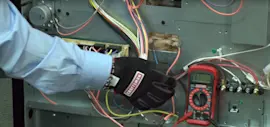
- If the vent has a control switch, test it for continuity.
- If the switch tests good, verify the motor receives power when the switch is turned on.
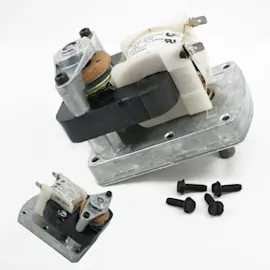
- If the motor receives power but does not run, replace the motor (or the motor assembly used in your configuration).
Helpful DIY testing resources
- Use a meter correctly: how to use a multimeter to test electrical parts video
- Confirm a fuse issue: how to tell if a fuse is blown
Parts that commonly solve “not working” symptoms
These are model-matched parts we often see involved in no-run or intermittent operation on KIRD861HSS0:
| Symptom | Most likely area | Example model-matched part |
|---|---|---|
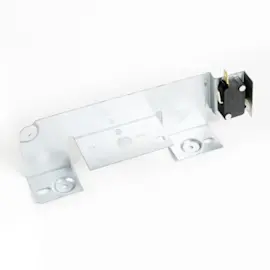
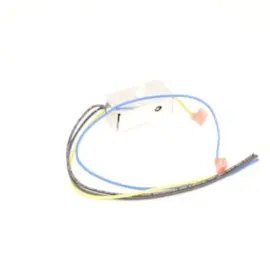
| No response at all | Switch or wiring | Switch W10235643 |
| Runs but weak airflow | Filter or duct restriction | Cooktop downdraft vent grease filter WPW10396091 |
| Intermittent operation | Switch cover or connection issue | Switch cover 4360230 |
Why it matters
A downdraft vent that will not run is often a simple power or switch issue, but airflow restrictions (dirty grease filter, blocked duct) can also overload the system and shorten motor life. Cleaning and basic electrical checks help you avoid replacing the wrong part.
Last updated: January 2026